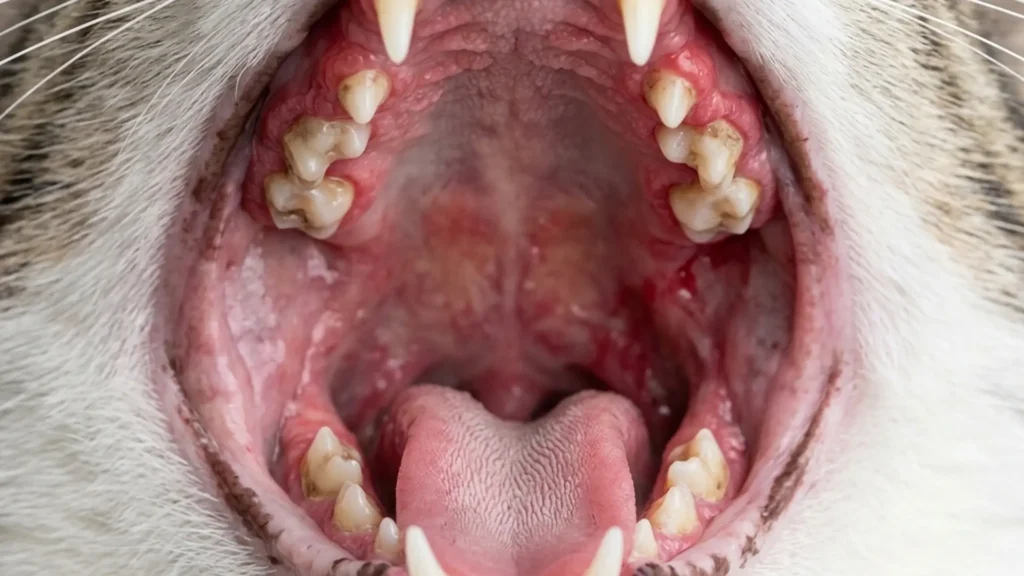
Stomatitis in cats is a severe, painful inflammation of the mouth that can make a cat miserable, and it is one of the conditions where owners most often feel helpless because the cat clearly hurts but the cause is hard to pin down. The full name veterinarians often use is feline chronic gingivostomatitis, or FCGS, and it involves widespread inflammation of the gums and the soft tissues lining the mouth. I have watched cats go from refusing food and hiding to eating happily again after the right treatment, so while this is a frustrating disease, it is far from hopeless. The key is recognizing it early and understanding that the most effective treatment is not always the one owners expect.
In this guide I will walk through what stomatitis actually is, why it happens, the warning signs that should send you to the vet, how it is diagnosed, the treatment options including the surprisingly effective surgical route, what recovery looks like, the realistic costs, and how to keep a cat comfortable along the way.
What Stomatitis Actually Is
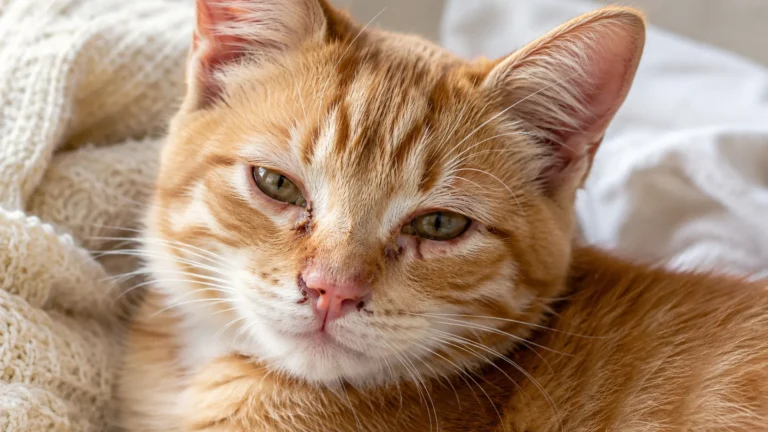
Stomatitis is more than ordinary gum inflammation. While gingivitis is inflammation limited to the gums, stomatitis is a broader, more aggressive inflammation that can involve the gums, the tongue, the inner surfaces of the lips, the back of the throat, and the floor and roof of the mouth. The hallmark is bright red, often raised and ulcerated tissue, frequently worst in the back corners of the mouth where the upper and lower jaws meet, an area vets call the caudal region.
This is a relatively uncommon but well-recognized condition. Estimates of how many cats are affected vary across sources, generally landing somewhere between 3 and 10 percent depending on the population studied and how the condition is defined. Onset is most common between 3 and 10 years of age, though it can appear in younger and older cats. What is consistent is that affected cats are in genuine, significant pain.
Why Cats Develop Stomatitis
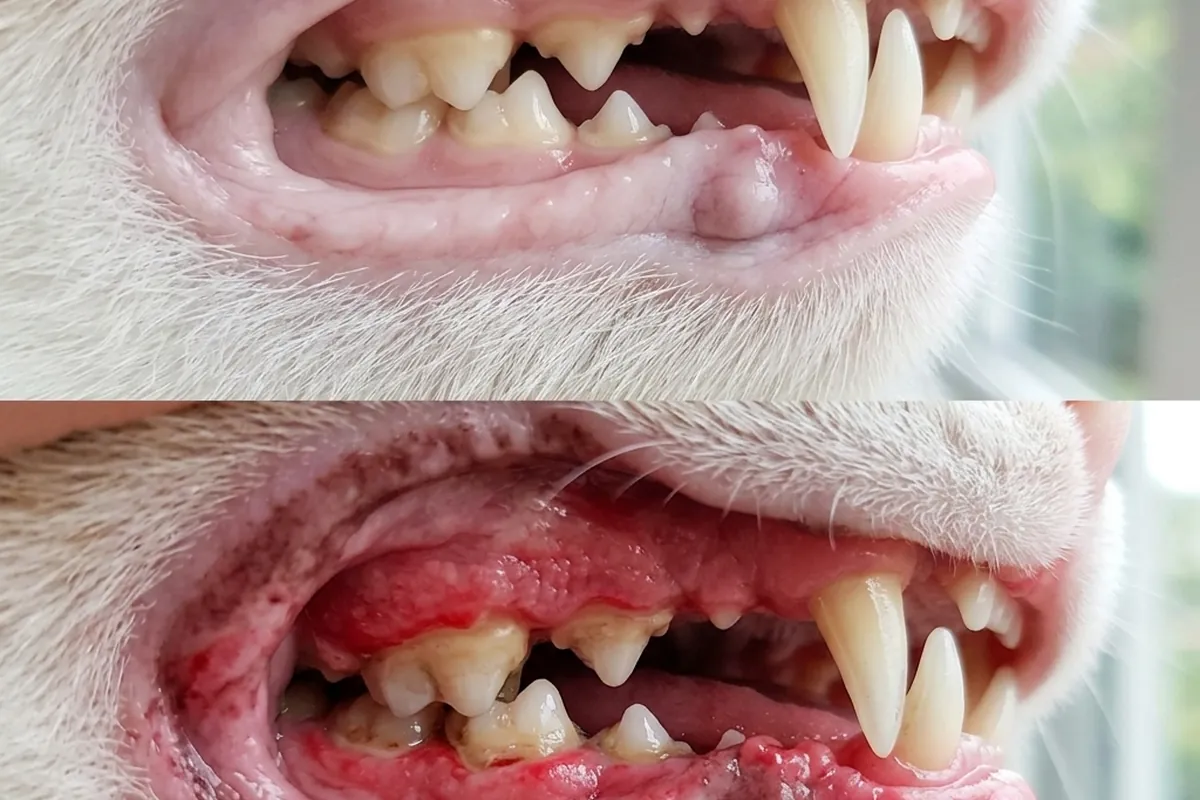
Here is the honest answer: the exact cause is not fully understood. What veterinarians do know is that stomatitis is driven by an abnormal, exaggerated immune response. As the Cornell Feline Health Center explains, the immune system becomes overly reactive to dental plaque and mounts an inflammatory attack on the cat’s own oral tissues. In other words, the body overreacts to the bacteria living on the teeth.
Several factors are linked to the condition, even if none is proven to cause it outright. Chronic viral infections, particularly feline calicivirus, show a strong association. Cats with weakened immune systems from feline immunodeficiency virus (FIV) or feline leukemia virus (FeLV) are more prone to it. Bacterial infections, including Bartonella, and certain immune-mediated and systemic diseases have also been implicated. The practical takeaway is that stomatitis is best understood as an immune problem aggravated by plaque, not a simple infection you can clear with a single course of antibiotics.
Warning Signs to Watch For
Because cats hide pain, the signs of stomatitis are often behavioral before they are obvious. Watch for these:
- Bad breath (halitosis), often the very first thing owners notice.
- Drooling, sometimes tinged with blood.
- Dropping food, eating on one side, or crying out while eating.
- Reluctance to eat, especially dry food, leading to weight loss.
- Pawing at the mouth or shaking the head.
- An unkempt, greasy coat, because grooming with a sore mouth hurts.
- Personality changes, hiding, irritability, or withdrawal driven by chronic pain.
A cat that suddenly approaches the food bowl hungry, then backs away or cries, is telling you its mouth hurts. That pattern is a strong hint toward dental pain, and stomatitis is one of the more severe causes. Any of these signs warrants a veterinary visit, because the pain involved is real and ongoing.
How Stomatitis Is Diagnosed
Your veterinarian starts with an oral exam, though a truly painful mouth often needs sedation for a complete look. The visible appearance of inflamed, ulcerated tissue, especially in the back of the mouth, is a strong clue. From there, diagnosis usually includes a few more steps to rule out other problems and understand the whole picture.
Expect bloodwork and viral testing for FIV and FeLV, since these affect both the diagnosis and the treatment plan. Dental x-rays are important because they reveal tooth root disease, resorptive lesions, and bone involvement that cannot be seen on the surface, and they guide which teeth may need to come out. General health screening, including kidney values, matters too, both to catch contributing systemic disease and to confirm the cat is safe for anesthesia. The same broad screening that flags conditions such as elevated protein in a cat’s urine helps your vet build a safe plan before any procedure.
Treatment: Why Extraction Often Works Best
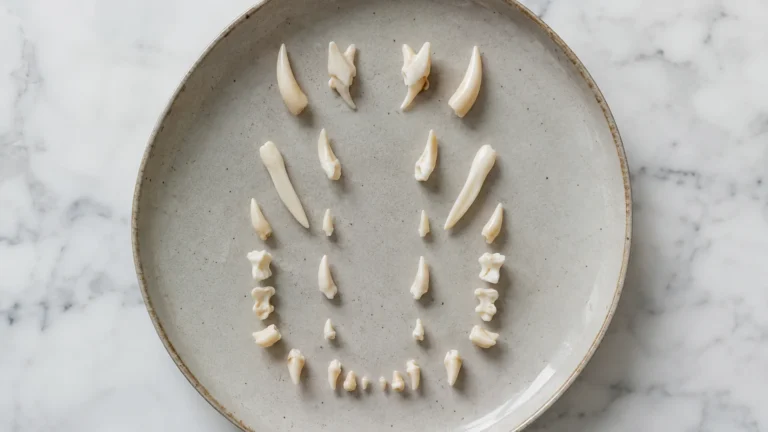
This is the part that surprises owners. The single most effective treatment for stomatitis is, counterintuitively, the surgical removal of teeth, often most or all of them. It sounds drastic, but the logic is sound: since the cat’s immune system is overreacting to the plaque on the teeth, removing the teeth removes the trigger.
The results can be remarkable. According to the VCA Hospitals overview of gingivitis and stomatitis, extraction frequently produces the best long-term outcomes, and a substantial share of cats need little or no further medication afterward. Reported success varies by source, with roughly 60 percent of cats requiring no further medication after full-mouth extraction in some studies, and most of the remainder showing significant improvement that still needs some ongoing support. Healing of the mouth itself is often well underway within 5 to 10 days. Owners often worry that a cat without teeth cannot eat, but cats manage remarkably well; many eat better than they have in months because the source of pain is gone.
Partial versus full-mouth extraction
Vets distinguish between caudal (partial) extraction, removing the teeth behind the canines, and full-mouth extraction. The choice depends on where the inflammation is concentrated and how the disease has behaved. Many surgeons start with full-mouth or near-full-mouth extraction for severe cases because partial removal more often leaves disease behind. Your veterinary dentist will recommend the approach based on the x-rays and the pattern of inflammation.
When Surgery Is Not Enough: The Refractory Cases
Not every cat responds completely to extraction, and these refractory cases are the truly frustrating ones. For cats that still have inflammation after surgery, veterinarians turn to medical management. Options include immunosuppressive and anti-inflammatory medications such as corticosteroids, cyclosporine, and sometimes interferon, along with carefully chosen antibiotics and antiseptic rinses. In recent years, mesenchymal stem cell therapy has emerged as a promising treatment for refractory cases, though availability and cost limit it.
The goal for these cats shifts from cure to control: keeping pain low and quality of life high. Many cats can be maintained comfortably for years with the right combination, but it requires patience, regular rechecks, and a willingness to adjust the plan. This is a disease where a strong relationship with your vet pays off.
Recovery After Extraction
Knowing what recovery looks like takes a lot of the fear out of choosing surgery. Most cats go home the same day or the next. Here is the realistic arc:
- First few days: grogginess from anesthesia, then soft food only. Your vet will send pain medication, and using it consistently makes a big difference.
- First two to three weeks: the mouth heals quickly given how raw it looks. Stick to soft or canned food. Most cats start eating with visible relief within days as the painful teeth are gone.
- Beyond that: many cats can return to a normal diet, including dry food, once healed, since cats swallow most kibble whole anyway.
The transformation in some cats is striking. A cat that was hiding and refusing food often becomes social and hungry again once the source of chronic pain is removed.
What It Costs

Cost is something the quick guides avoid, so here is candid context. Full-mouth or near-full-mouth extraction is a significant dental surgery requiring anesthesia, x-rays, and careful surgical work, and it commonly runs into the high hundreds to low thousands of dollars depending on your region, the number of teeth, and whether a board-certified veterinary dentist is involved. Refractory cases that need ongoing medication or advanced therapies add cost over time.
It is a real investment, but framed against years of chronic pain and repeated vet visits for a cat that never gets better, many owners find the surgery is both kinder and, over time, more economical than endless medical management. Ask your clinic for an itemized estimate, and ask whether a referral to a veterinary dentist is appropriate for a complex mouth.
Caring for a Cat With a Painful Mouth
While you arrange treatment, you can ease your cat’s suffering. Offer soft, palatable canned food, slightly warmed to boost aroma and tempt a reluctant eater. Never try to brush the teeth of a cat with active stomatitis, since brushing an inflamed, ulcerated mouth is painful and counterproductive. Follow your vet’s pain management plan precisely, and never give human pain relievers, many of which are toxic to cats. If your cat stops eating entirely for more than a day, treat that as urgent, because cats that do not eat can develop serious liver problems quickly. Weight loss and appetite changes always deserve attention, the same way you would not ignore the shifts seen with conditions like feline hyperthyroidism.
Stomatitis Versus Other Mouth Problems
Several feline mouth conditions share symptoms with stomatitis, and telling them apart matters because the treatments differ. Plain gingivitis is inflammation confined to the gum margin and usually responds well to a professional cleaning and home brushing; it is the mildest end of the spectrum and does not involve the widespread, raised, ulcerated tissue that defines stomatitis. Periodontal disease is the progressive destruction of the structures holding teeth in place, and while it causes bad breath and pain, the inflammation tracks with specific diseased teeth rather than blanketing the whole mouth.
Tooth resorption is another common culprit behind feline mouth pain, in which the structure of individual teeth breaks down and erodes; it can coexist with stomatitis and is one reason dental x-rays are so important during the workup. Oral tumors, though far less common, can also cause drooling, bleeding, and trouble eating, which is why a thorough exam and sometimes a biopsy are part of ruling out the more serious possibilities. The overlap in symptoms is exactly why a guess at home is not enough, and why a sedated oral exam with imaging is the standard of care. Your veterinarian uses the pattern of inflammation, the x-ray findings, and the cat’s history together to land on the right diagnosis.
One more practical distinction: a cat with simple bad breath and mild tartar is on a very different path from a cat with bright red, bleeding tissue at the back of the mouth and a refusal to eat. The first cat needs a routine dental; the second needs urgent evaluation for stomatitis or another serious oral disease. Learning to tell the difference helps you push for the right level of care.
Living With and Managing a Diagnosed Cat
If your cat has been diagnosed with stomatitis, the daily reality is manageable with a steady routine. Consistency with prescribed medication is the foundation, because pain and inflammation flare when doses are skipped. Many owners learn to give liquid or compounded medications that are easier to administer to a sore-mouthed cat than pills, and your vet can often prescribe these formulations. Build a calm dosing routine, reward your cat afterward, and never force a struggling cat in a way that adds stress.
Feeding deserves ongoing thought. Soft, highly palatable food slightly warmed to release aroma encourages eating, and monitoring weight weekly catches a downturn early. Schedule the rechecks your veterinarian recommends rather than waiting for a crisis, since catching a flare early keeps it smaller and cheaper to treat. For cats that have had full-mouth extraction and recovered well, the long-term picture is often excellent, and these visits become routine rather than urgent. For refractory cats, the rechecks are where the medication plan gets fine-tuned over months.
Finally, manage the household. In multi-cat homes, viral infections like calicivirus can pass between cats, so keeping vaccinations current and reducing stress helps protect everyone. A diagnosed cat is not a lost cause; with attentive care, most live full, comfortable lives, and many owners are surprised by how much brighter and more affectionate their cat becomes once the pain is finally under control.
Frequently Asked Questions
Is stomatitis in cats painful?
Yes, very. Stomatitis causes severe, chronic oral pain that can stop a cat from eating, grooming, and behaving normally. Effective pain control and treating the underlying inflammation are central to care.
Can stomatitis in cats be cured?
Many cats are effectively cured by full or near-full-mouth tooth extraction, with a large share needing little or no further medication. Some cats only improve and need ongoing management, but most can achieve a good quality of life.
How will my cat eat without teeth?
Surprisingly well. Cats do not chew the way we do; they swallow most food whole. Many cats eat better after extraction because the pain is gone, and they can often handle both wet and dry food once healed.
Is stomatitis contagious to other cats or to people?
Stomatitis itself is not directly contagious. However, some associated viruses like calicivirus and FIV can spread between cats, so testing and appropriate management of multi-cat households matter. It does not spread to humans.
Can I just treat stomatitis with antibiotics?
Antibiotics may give temporary relief but rarely solve the problem, because stomatitis is driven by an immune overreaction to plaque rather than a simple infection. Lasting improvement usually requires addressing the teeth.
What happens if I leave stomatitis untreated?
Untreated stomatitis means ongoing severe pain, progressive difficulty eating, weight loss, and a poor quality of life. The condition does not resolve on its own, so veterinary treatment is important.
Bottom Line
Stomatitis in cats is a painful, immune-driven inflammation of the mouth, and although the cause is not fully understood, the outlook is genuinely good for most cats with the right treatment. Recognize the early signs, especially bad breath, drooling, and reluctance to eat, and see your veterinarian promptly. For many cats, tooth extraction is the treatment that finally ends years of discomfort, and even refractory cases can usually be managed to a comfortable life. The hardest part for most owners is accepting that pulling teeth is the kind thing to do, but the cats themselves tend to prove it was the right call within days. If your cat shows any sign of mouth pain or stops eating, do not wait it out at home. This article is general guidance and does not replace a tailored plan from your own veterinarian, who can examine your cat, run the right tests, and recommend the path most likely to give your cat lasting relief.