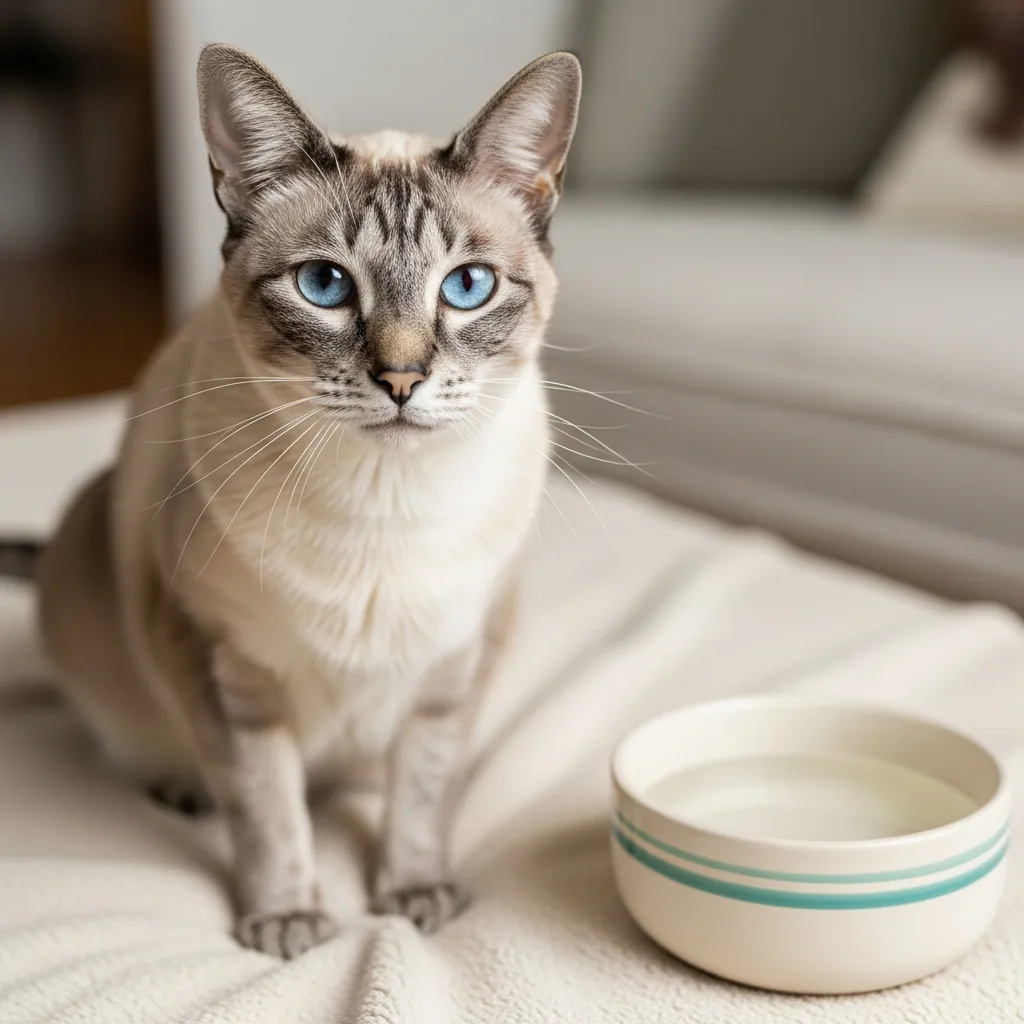
Quick Answer: What is Hyperthyroidism in Cats?
TL;DR: Hyperthyroidism in cats occurs when the thyroid gland produces too much thyroid hormone, accelerating metabolism. Key signs include unexplained weight loss despite increased appetite, hyperactivity, vomiting, and a rapid heart rate. It most commonly affects older cats, often due to benign thyroid tumors. Diagnosis involves blood tests (measuring T4 levels) and a physical exam. Treatment options include medication, radioactive iodine therapy, surgery, or specialized diets. Early detection and consistent veterinary care are vital for managing the condition and ensuring your cat maintains a good quality of life.
Recognizing the signs of hyperthyroidism in cats is crucial for timely intervention and a better prognosis. This common endocrine disorder, often seen in senior felines, involves an overactive thyroid gland leading to a sped-up metabolism.
As an owner who has navigated chronic illness with my own cat, I understand the worry that comes with these changes. This guide, drawing on veterinary expertise, details what hyperthyroidism in cats looks like, its potential causes, and how it’s diagnosed and managed.
We will cover observable symptoms, diagnostic steps, and the primary treatment pathways. This article is for informational purposes and does not replace professional veterinary advice or diagnosis.
Why Understanding Hyperthyroidism in Cats Matters
Hyperthyroidism is the most prevalent hormonal disorder affecting our feline companions, particularly those in their senior years. Its insidious onset can be easily mistaken for normal aging, but this condition significantly impacts a cat’s health and well-being if left unaddressed. Recognizing the subtle and not-so-subtle changes in your cat’s behavior and physical state is your first line of defense. The Cornell Feline Health notes that prompt diagnosis and treatment can lead to a full recovery or long-term management, allowing cats to live comfortably for years.
As a biology graduate and a cat owner who has navigated chronic kidney disease, I’ve learned the hard way that proactive observation is key. Understanding the typical presentation of hyperthyroidism in cats empowers you to partner effectively with your veterinarian. This knowledge helps ensure your cat receives the appropriate care, preventing potential complications such as heart disease or kidney issues that can arise from untreated thyroid imbalances. It’s about maintaining their quality of life through informed care.
When to Wait and Watch vs. Call Your Vet
Observing your cat’s behavior is critical, but knowing when to seek immediate veterinary attention versus when to monitor at home can be challenging. Hyperthyroidism in cats presents with a range of symptoms, some of which may warrant a “wait and watch” approach if mild and new, while others indicate a more urgent need for professional evaluation.
Wait and watch:
- Mildly increased thirst or urination, without other significant changes.
- Slightly increased appetite or begging for food more often, if weight remains stable.
- Minor increases in activity or vocalization, especially if your cat is otherwise healthy.
- Occasional, non-projectile vomiting, particularly if it occurs infrequently and your cat is bright and alert.
- Slightly faster breathing rate than usual, but remaining below 40 breaths per minute while at rest.
- A coat that appears less glossy, if other symptoms are absent.
Call your vet now:
- Unexplained, significant weight loss (more than 5-10% of body weight) over a few weeks, especially if appetite is increased.
- Vomiting that is frequent (more than once a day), projectile, or contains blood.
- Diarrhea or worsening litter box habits.
- Extreme restlessness, anxiety, or aggression that is out of character.
- Rapid heart rate consistently over 200-240 beats per minute (bpm) while at rest, or a noticeable murmur or irregular rhythm detected by touch. The Cornell Feline Health highlights cardiac impacts as a major concern.
- Difficulty breathing, rapid breathing (>40 bpm at rest), or open-mouth breathing.
- Sudden collapse or extreme lethargy.
- Signs of dehydration, such as tacky gums or sunken eyes, or if your cat hasn’t drunk water in over 24 hours.
- Any noticeable lump on the neck area, which could indicate thyroid enlargement.
It is important to remember that even mild symptoms, if persistent or worsening, should prompt a veterinary consultation. The combination of symptoms often provides a clearer picture than a single sign alone.
Steps to Take When You Suspect Hyperthyroidism
- Observe and Document Symptoms: Carefully note any changes in your cat’s appetite, thirst, weight, activity level, and behavior. Record the frequency and nature of vomiting or diarrhea. Note any changes in their coat or breathing. This detailed log is invaluable for your veterinarian. For example, track weight loss in grams or ounces over a week.
- Check Your Cat’s Resting Heart Rate and Respiration: While your cat is calm, gently place your hand on their chest to feel their heart rate. A normal resting heart rate is typically between 120-200 bpm. A rate consistently above 240 bpm warrants a vet visit. Similarly, count breaths per minute while they are resting; over 40 breaths per minute can be concerning.
- Perform a Gentle Physical Examination: With your cat relaxed, gently feel their neck area for any unusual lumps or swelling. Check their gums for hydration (they should be moist and pink, not sticky or pale) and gently press on the skin over their back to assess skin turgor.
- Schedule a Veterinary Appointment: Based on your observations, contact your veterinarian. Clearly explain the symptoms you’ve noticed, including their duration and severity. Mention any specific measurements you’ve taken (e.g., weight loss, heart rate).
- Prepare for Diagnostic Tests: Your vet will likely recommend blood work, including a total T4 (thyroxine) level test, as recommended by the Merck Vet Manual. They may also suggest a complete blood count (CBC), chemistry panel, and urinalysis to assess overall health and rule out other conditions like kidney disease or diabetes.
- Discuss Treatment Options: If hyperthyroidism is diagnosed, work with your vet to choose the best treatment plan. Options range from daily medication (methimazole) to radioactive iodine therapy, surgery, or a prescription diet. Consider your cat’s overall health, age, temperament, and your financial situation. The AVMA reports on advancements and approvals relevant to feline health.
- Follow-Up Care and Monitoring: Adhere strictly to your vet’s follow-up schedule. This typically involves recheck appointments and blood tests to monitor thyroid hormone levels, kidney function, and overall response to treatment. Adjustments to medication or diet may be necessary.
Common Misconceptions About Hyperthyroidism in Cats
Myth: Hyperthyroidism only affects very old cats.
Reality: While hyperthyroidism is most common in cats aged 8 years and older, it can occur in younger adult cats. The average age of diagnosis is around 12-13 years, but cases can be seen in cats as young as 4. Relying solely on age as an indicator can lead to delayed diagnosis in younger affected cats.
Myth: A cat with hyperthyroidism is just “hyper” or energetic.
Reality: Increased activity can be a symptom, but the underlying cause is a hormonal imbalance leading to an overactive metabolism, not just a personality trait. This “hyper” state often pairs with detrimental effects like rapid weight loss, muscle wasting, and potential organ damage, which is far from healthy energy.
Myth: If my cat is eating a lot, they can’t have hyperthyroidism.
Reality: One of the hallmark signs of hyperthyroidism is increased appetite (polyphagia) coupled with significant weight loss. The accelerated metabolism burns calories so quickly that even eating more doesn’t lead to weight gain and often results in loss. This is a key diagnostic indicator.
Myth: Once treated, hyperthyroidism is cured and never returns.
Reality: While radioactive iodine therapy can be curative in many cases, treatments like daily medication or prescription diets are management strategies, not cures. These require lifelong adherence and regular monitoring. Even after surgery or radioactive iodine, there’s a small chance of recurrence or developing hypothyroidism (underactive thyroid) as a complication, necessitating ongoing veterinary check-ups, as outlined by University of Illinois Veterinary Medicine.
Myth: Environmental toxins are the primary cause of hyperthyroidism in cats.
Reality: While research has explored potential links between environmental factors (like BPA in food cans or flame retardants) and hyperthyroidism, the vast majority of cases (over 95%) are caused by benign tumors (adenomas) on the thyroid gland. These tumors lead to excessive hormone production regardless of external environmental influences.
What to Track for Your Cat’s Health Record
Maintaining a detailed health log for your cat can significantly aid your veterinarian in diagnosing and managing hyperthyroidism. Focus on objective observations and measurements:
- Weight: Track weekly weight using a reliable scale. Note any loss of 5% or more of their body weight over a month.
- Appetite: Quantify food intake if possible (e.g., number of cups per day). Note if appetite has significantly increased or decreased.
- Thirst: Monitor water intake. Is the water bowl being emptied more quickly? Note frequency of drinking.
- Vomiting/Diarrhea: Record frequency, timing (e.g., before or after meals), and appearance (e.g., undigested food, bile, blood).
- Activity Level: Note changes from typical behavior – increased restlessness, vocalization, or sudden lethargy.
- Heart Rate (Resting): Periodically check your cat’s resting heart rate. Consistently improve rates (>200-240 bpm) are a red flag.
- Breathing Rate (Resting): Count breaths per minute when your cat is calm. Rates over 40 bpm at rest warrant attention.
- Litter Box Habits: Note any changes in urination frequency or volume, or stool consistency.
- Coat Condition: Observe for dullness, matting, or excessive shedding.
This information helps establish a baseline and track changes over time, crucial for effective veterinary care, especially when managing chronic conditions like those discussed by the Cornell Feline Health.
Frequently Asked Questions About Hyperthyroidism in Cats
What causes hyperthyroidism in cats?
The overwhelming majority of hyperthyroidism cases in cats are caused by a benign tumor on the thyroid gland, called an adenoma. This tumor leads to the overproduction of thyroid hormones. Less commonly, malignant tumors (adenocarcinoma) can be responsible, or in rare instances, chronic exposure to certain environmental chemicals has been investigated as a potential contributing factor.
What are the main symptoms of hyperthyroidism in cats?
Key symptoms include unexplained weight loss despite an increased appetite, increased thirst and urination, vomiting, diarrhea, hyperactivity or restlessness, a poor coat condition, and a rapid heart rate. Some cats may also develop a palpable lump on their neck.
How is hyperthyroidism diagnosed in cats?
Diagnosis typically involves a physical examination, assessment of clinical signs, and laboratory tests. The cornerstone is a blood test measuring total T4 (thyroxine) levels. improve T4 levels strongly suggest hyperthyroidism. However, some cats may have normal T4 levels initially, requiring repeat testing or further diagnostics like a free T4 assay or thyroid scintigraphy.
What are the treatment options for hyperthyroidism in cats?
The primary treatment options include: 1) Radioactive iodine therapy (often curative), 2) Daily oral or transdermal medication (like methimazole), 3) Surgical removal of the affected thyroid gland, and 4) A prescription iodine-restricted diet. The best option depends on the cat’s health, owner’s resources, and veterinarian’s recommendation, as detailed by the Merck Vet Manual.
Can hyperthyroidism in cats be prevented?
Since most cases are caused by non-cancerous tumors, hyperthyroidism cannot typically be prevented. While environmental factors are being studied, proactive veterinary care, including regular check-ups and blood work for senior cats, is the best approach for early detection and management.
What is the prognosis for a cat with hyperthyroidism?
The prognosis for hyperthyroidism in cats is generally very good, especially with early diagnosis and consistent treatment. Most cats can live long, comfortable lives. However, untreated hyperthyroidism can lead to serious complications like heart disease, high blood pressure, and kidney problems, which can affect the long-term outlook.
Conclusion: Partnering for Your Cat’s Health
Hyperthyroidism in cats is a manageable condition that requires vigilant observation and a strong partnership with your veterinarian. Understanding the signs, potential causes, and treatment avenues empowers you to provide the best possible care. Early detection is key to preventing secondary complications and ensuring your feline friend can enjoy a high quality of life for years to come. If you suspect your cat may be exhibiting symptoms, do not hesitate to schedule a consultation with your vet.