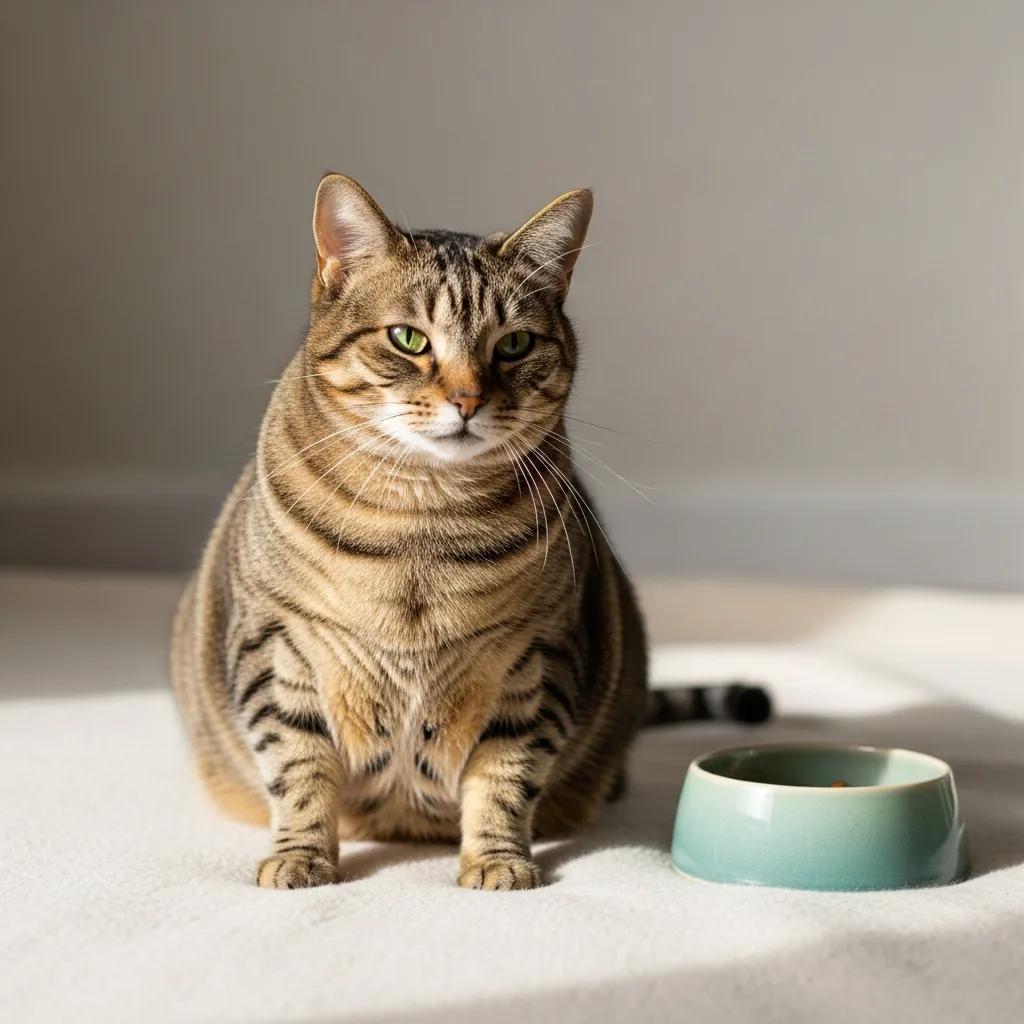
Quick Answer: What is Hepatic Lipidosis in Cats?
TL;DR: Hepatic lipidosis in cats, or fatty liver disease, occurs when a cat stops eating, causing rapid fat accumulation in the liver that impairs its function. Symptoms include jaundice, lethargy, vomiting, and weight loss. Prompt veterinary diagnosis and aggressive nutritional support, often via a feeding tube, are crucial for survival, with survival rates reaching up to 90% with timely intervention. If your cat stops eating for more than 24 hours, especially if overweight, contact your veterinarian immediately.
Hepatic lipidosis in cats, often called fatty liver disease, is a serious condition where the liver accumulates excessive fat, impairing its function. Recognizing the early signs and knowing when to act is critical for your cat’s health. This guide, written from the perspective of an owner who has navigated complex feline health issues, draws on leading veterinary expertise to help you understand hepatic lipidosis in cats.
We will cover the tell-tale symptoms, how to differentiate between urgent and less critical situations, and what you can do at home to support your cat while awaiting veterinary guidance. It’s crucial to remember this information is for educational purposes and never replaces a diagnosis or treatment plan from your veterinarian.
This complete overview will equip you with the knowledge to better support your feline companion. We’ll explore what hepatic lipidosis in cats entails, its common triggers, and the importance of prompt veterinary intervention for the best possible outcomes.
Why Understanding Hepatic Lipidosis in Cats Matters
As a cat owner, the thought of your feline companion refusing food can be deeply unsettling. For me, tracking my own cat’s chronic kidney disease has meant countless vet visits and a steep learning curve about feline health. Hepatic lipidosis in cats is a condition that can develop rapidly, sometimes within just a few days of a cat stopping eating. This isn’t a minor inconvenience; it’s a potentially life-threatening cascade where the liver, overwhelmed by fat, can fail.
The American Veterinary Medical Association (AVMA) notes that any illness causing anorexia can lead to hepatic lipidosis, particularly in overweight cats. This rapid progression means owners must be vigilant. Understanding the signs and knowing when a lack of appetite crosses the threshold from a temporary issue to a medical emergency is critical. Early recognition and swift veterinary care significantly improve the prognosis, turning a dire situation into one with a good chance of recovery, as many as 90% of cats can survive with aggressive treatment, according to some veterinary sources.
This knowledge empowers you to act decisively, potentially saving your cat’s life. It’s about translating subtle changes in your cat’s behavior and physical condition into informed action, ensuring they receive the specialized care they need without delay.
Hepatic Lipidosis in Cats: When to Wait and When to Call the Vet
Distinguishing between a minor bout of fussiness and a serious condition like hepatic lipidosis in cats hinges on observation and understanding your cat’s normal patterns. While some milder, transient issues might allow for a ‘wait and watch’ approach, others demand immediate veterinary attention. The Cornell Feline Health Center emphasizes that prolonged anorexia is a primary trigger for this disease.
Wait and watch (for mild, temporary appetite loss < 24 hours in an otherwise healthy, normal-weight cat):
- Reduced appetite for less than 12 hours, with no other symptoms present.
- Slightly decreased energy but still interacting and engaging in normal activities.
- Occasional mild vomiting (once or twice) without diarrhea or other signs of distress.
- Minor changes in litter box habits that resolve within a few hours.
- Normal hydration, good skin turgor, and healthy gum color.
Call your vet now (especially if your cat is overweight or has stopped eating for > 24 hours):
- Complete anorexia for more than 24 hours: This is the most critical threshold, as hepatic lipidosis can begin developing rapidly.
- Significant, unexplained weight loss: Losing even 5-10% of body weight rapidly is a major red flag.
- Jaundice (yellowing): Observe the whites of the eyes, gums, or skin for a yellow tint, indicating liver or gallbladder issues.
- Persistent vomiting or diarrhea: More than 2-3 episodes in 24 hours, especially if accompanied by lethargy or lack of appetite.
- Lethargy and weakness: Your cat is noticeably less active, hiding more, or has difficulty standing or moving.
- Changes in urine or stool color: Dark urine or pale, clay-colored stools can signal liver dysfunction.
- Dehydration: Symptoms include sunken eyes, dry gums, and poor skin elasticity (skin doesn’t snap back when gently pulled).
If your cat exhibits any signs in the ‘Call your vet now’ list, do not delay. Hepatic lipidosis in cats requires immediate diagnostic evaluation and treatment to prevent severe liver damage.
Steps to Take When Concerned About Hepatic Lipidosis in Cats
If you suspect your cat might be developing hepatic lipidosis in cats or is showing concerning signs of not eating, here are the crucial steps to take. Remember, prompt action is key. This guide focuses on owner actions leading up to and supporting veterinary care; it does not replace veterinary diagnosis or treatment.
- Monitor Appetite Closely: If your cat misses one meal but eats the next, monitor closely. If they refuse a second meal or show no interest in food for over 12-24 hours, it’s time to escalate. Note the exact duration of anorexia.
- Assess for Other Symptoms: While monitoring appetite, check for other signs like lethargy, vomiting, diarrhea, changes in urine/stool color, or yellowing of the gums/eyes (jaundice). Note the frequency and consistency of any vomiting or diarrhea.
- Check Hydration and Body Condition: Gently pinch the skin over your cat’s shoulders; it should snap back quickly. Sunken eyes or dry gums are signs of dehydration. Assess if your cat has lost noticeable weight recently, particularly if they are an overweight or obese cat.
- Contact Your Veterinarian Immediately: If your cat has not eaten for 24 hours, is significantly lethargic, or shows any signs of jaundice, dehydration, or persistent vomiting/diarrhea, call your vet. Explain your cat’s symptoms, duration, and whether they are overweight. Be prepared to take them in for an examination.
- Prepare for Veterinary Diagnostics: Your vet will likely recommend blood work, urinalysis, and possibly an abdominal ultrasound. Gather any information you can about your cat’s recent diet, any environmental changes, or known underlying health conditions. This information is vital for diagnosis.
- Follow Veterinary Treatment Plan: If diagnosed with hepatic lipidosis in cats, treatment often involves aggressive nutritional support, frequently via a feeding tube (esophagostomy tube or nasogastric tube). Administering medications and food through the tube as directed by your vet is critical for recovery. This requires owner commitment and careful adherence to instructions.
- Supportive Home Care Post-Vet Visit: Once stable and potentially discharged with a feeding tube, ensure a quiet, comfortable environment. Administer medications precisely as prescribed. Monitor the feeding tube site for any signs of infection or irritation and report concerns to your vet promptly. Gradual reintroduction of oral food under veterinary guidance is the final phase.
These steps prioritize getting professional veterinary help quickly and supporting the prescribed treatment plan. Your observant role is crucial in the management of hepatic lipidosis in cats.
Common Misconceptions About Hepatic Lipidosis in Cats
Myth: My cat is just being picky; they’ll eat when they’re hungry enough.
Reality: While cats can be discerning eaters, prolonged refusal to eat (over 24 hours) is a serious concern, especially for overweight cats. The rapid fat accumulation in the liver characteristic of hepatic lipidosis in cats can begin within days of anorexia. This isn’t simple pickiness; it’s a potentially life-threatening metabolic crisis that requires immediate veterinary attention, as noted by the Merck Veterinary Manual.
Myth: Hepatic lipidosis only affects overweight cats.
Reality: While overweight and obese cats are at significantly higher risk due to the rapid mobilization of fat stores, any cat that stops eating for any reason can develop hepatic lipidosis. Cats with underlying illnesses like inflammatory bowel disease, pancreatitis, kidney disease, or even stress-related anorexia can become victims of this condition. Weight loss itself is the trigger, not necessarily the starting body condition, though it’s a major risk factor.
Myth: Once diagnosed, hepatic lipidosis in cats is untreatable or has a very poor prognosis.
Reality: With prompt diagnosis and aggressive, consistent treatment-primarily focused on nutritional support often via feeding tubes-the prognosis for hepatic lipidosis in cats can be surprisingly good. Survival rates can reach up to 90% when treatment is initiated early and diligently followed. Underlying conditions can affect the prognosis, but the liver itself has remarkable regenerative capacity when given the right support.
Myth: Force-feeding my cat by mouth is sufficient treatment.
Reality: Force-feeding a nauseous cat can lead to food aversion, making them less likely to eat even when they start feeling better. Furthermore, it’s difficult to provide the necessary caloric intake consistently and safely this way. Veterinary professionals almost always recommend feeding tubes (nasogastric or esophagostomy) for cats with hepatic lipidosis in cats to ensure adequate nutrition without inducing nausea or aversion, preventing the dangerous cycle of starvation and liver damage.
What to Track for Hepatic Lipidosis in Cats
As an owner, your detailed observations are invaluable to your veterinarian when diagnosing and treating hepatic lipidosis in cats. Keeping a log of the following can provide a clearer picture of your cat’s health status:
- Duration of Appetite Loss: Note the exact number of meals missed or hours since the last confirmed intake of food.
- Food Intake Consistency: Track if appetite is completely absent or just reduced. If reduced, note the approximate percentage of normal intake.
- Vomiting/Diarrhea Episodes: Record the frequency, timing, and appearance (e.g., bile, blood, undigested food, consistency of stool).
- Lethargy and Behavior Changes: Note increased sleeping, hiding, reluctance to move, decreased interaction, or unusual vocalizations.
- Weight Loss: If you have a scale, track weight at home. Otherwise, note visible changes like a thinner body shape or less muscle mass.
- Jaundice Signs: Regularly check the whites of the eyes, gums, and inside the ears for any yellow discoloration.
- Hydration Status: Observe for dry gums, sunken eyes, or changes in skin elasticity.
- Urine and Feces Output: Note any changes in color (e.g., dark urine, pale stools) or frequency/volume in the litter box.
- Medication Adherence: Keep track of all prescribed medications and supplements given, including dosages and times.
- Feeding Tube Functionality: If a feeding tube is in place, note the volume and type of food administered and any signs of blockage or discomfort.
Accurate tracking helps your veterinarian assess the severity of hepatic lipidosis in cats and monitor treatment effectiveness.
Frequently Asked Questions About Hepatic Lipidosis in Cats
Can a cat recover from hepatic lipidosis?
Yes, many cats can recover from hepatic lipidosis in cats with prompt and aggressive veterinary treatment. Survival rates are often high, sometimes reaching 90%, provided treatment is initiated early and nutritional support is consistent. Recovery requires dedication to the veterinary treatment plan, which may involve months of supportive care.
How long does it take for hepatic lipidosis to develop in cats?
Hepatic lipidosis in cats can develop quite rapidly. Significant fat accumulation in the liver can begin within just a few days (as little as 3-5 days) of a cat stopping eating. This rapid onset underscores the importance of addressing anorexia quickly.
What is the prognosis for cats with hepatic lipidosis?
The prognosis for hepatic lipidosis in cats largely depends on how quickly it is diagnosed and treated, the severity of liver damage, and the presence of any underlying health conditions. With early intervention and intensive nutritional support, the outlook is often good. However, delayed treatment or severe underlying diseases can lead to a poorer prognosis.
Can cats with hepatic lipidosis eat normally again?
Yes, the goal of treatment is to restore normal liver function and appetite. Once a cat has stabilized, is no longer nauseous, and begins regaining weight, they can be gradually transitioned back to eating solid food by mouth. The feeding tube is typically removed once they are consistently eating well on their own. Full recovery means a return to normal feeding habits.
What are the long-term effects of hepatic lipidosis in cats?
While many cats recover fully from hepatic lipidosis in cats, some may experience lingering effects or be more susceptible to future liver issues. Regular veterinary check-ups are important to monitor liver health. In some cases, underlying conditions that contributed to the lipidosis may require ongoing management. The liver has a strong capacity to heal, but ongoing care is sometimes necessary.
Is hepatic lipidosis contagious between cats?
No, hepatic lipidosis in cats is not contagious. It is a metabolic condition that develops within an individual cat due to a lack of food intake, leading to fat accumulation in the liver. It is not caused by a virus, bacteria, or parasite that can be transmitted from one cat to another.
Conclusion: Partnering with Your Vet for Your Cat’s Liver Health
Hepatic lipidosis in cats is a serious condition that requires vigilance and swift action from cat owners. Recognizing the subtle and overt signs, particularly prolonged anorexia and weight loss, is your first line of defense. Remember, this guide provides information based on veterinary consensus, but it cannot substitute for professional medical advice.
If you observe any concerning symptoms, especially if your cat is overweight and not eating, do not hesitate to contact your veterinarian immediately. Early diagnosis and dedicated adherence to a treatment plan are crucial for your cat’s recovery and long-term well-being. Partnering closely with your veterinary team ensures your feline companion receives the best possible care.
- Cat stops eating for more than 24 hours
- Significant, rapid weight loss
- Yellowing of gums or whites of eyes (jaundice)
- Persistent vomiting or diarrhea
- Extreme lethargy or weakness