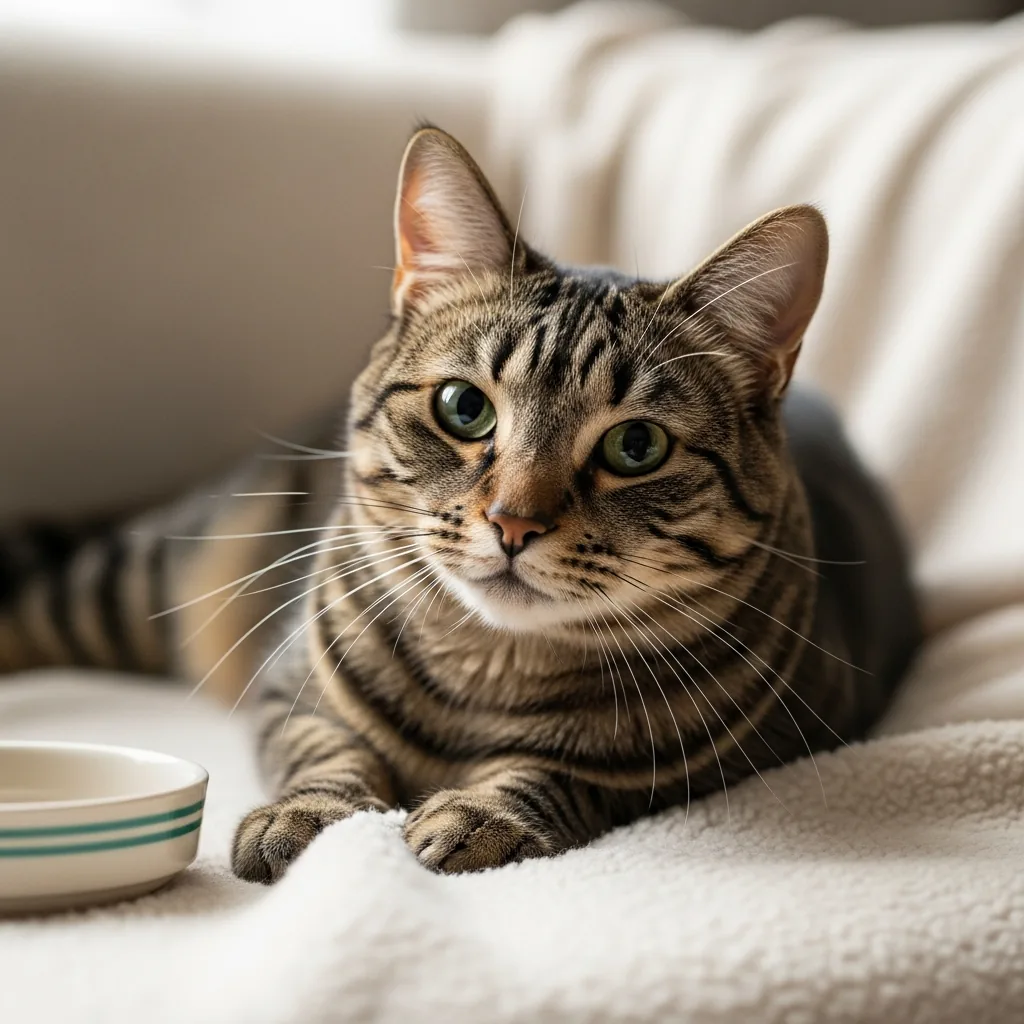
Quick Answer: What is Heart Medication Poisoning in Cats (diaphragmatic hernia)?
TL;DR: Heart medication poisoning in cats happens when a cat ingests too much of a cardiac drug, either through accidental overdose, eating human medication, or a dosing error. Signs range from gastrointestinal upset like vomiting and diarrhea to severe cardiac arrhythmias, seizures, or coma. Early recognition of symptoms and immediate veterinary contact are critical, as the line between therapeutic and toxic doses is often narrow. Differentiating between worsening heart disease and medication toxicity requires prompt professional evaluation.
Recognizing the signs of heart medication poisoning in cats is crucial for any owner whose pet is prescribed cardiac drugs. Accidental ingestion or incorrect dosing can lead to dangerous toxicity, with symptoms that can mimic the very conditions the medication aims to treat.
This guide, written from the perspective of an owner who’s navigated complex feline health issues, draws on veterinary expertise to help you identify potential poisoning. We’ll cover what to watch for, when immediate veterinary intervention is necessary, and how to support your cat’s health during treatment.
While this article provides detailed information, it is not a substitute for professional veterinary advice. Always consult your veterinarian for diagnosis and treatment plans.
Why Understanding Heart Medication Poisoning Matters for Your Cat
As a cat owner, ensuring your feline companion receives the correct dosage of any prescribed medication is critical, especially when it involves potent heart drugs. Medications like digoxin, commonly used to manage congestive heart failure in cats, have a very narrow therapeutic window. This means the dose that helps can be very close to the dose that harms, making accidental poisoning a significant concern. The Cornell Feline Health Center highlights that even prescribed medications can pose risks if not managed carefully.
The challenge is that early signs of heart medication toxicity-such as lethargy, vomiting, or decreased appetite-can easily be mistaken for a worsening of the underlying heart condition. This overlap makes owner vigilance and prompt communication with your veterinarian essential. Understanding the specific risks associated with your cat’s cardiac medication, as outlined by resources like the Merck Veterinary Manual, empowers you to act quickly if something seems amiss. Early detection and intervention can dramatically improve outcomes and prevent life-threatening complications, such as severe arrhythmias or heart failure.
Triage: When to Wait and Watch vs. Call Your Vet Now
Navigating potential medication toxicity requires a clear understanding of when symptoms warrant immediate veterinary attention versus when you can monitor your cat closely at home. The distinction is vital because cardiac medication poisoning can progress rapidly.
Wait and watch:
- Mild lethargy: Your cat seems a bit more tired than usual but is still responsive and eating small amounts.
- Slight decrease in appetite: Your cat eats less than normal for a single meal but is still drinking water and shows interest in food.
- Occasional mild vomiting or diarrhea: One or two episodes of vomiting or loose stool within a 12-hour period, with no other concerning signs.
- Slightly reduced activity: Your cat is less playful but still engages with you and moves around the house normally.
Call your vet now:
- Persistent vomiting or diarrhea: More than two episodes in 12 hours, or any vomiting/diarrhea accompanied by lethargy or refusal to eat.
- Significant lethargy or weakness: Your cat is difficult to rouse, weak in its legs, or unresponsive.
- Difficulty breathing or rapid breathing: Respiratory rate exceeding 40 breaths per minute while at rest, or visible effort in breathing.
- Pale gums: Gums that appear white or very light pink, indicating poor circulation.
- Seizures or collapse: Any instance of uncontrolled muscle activity or loss of consciousness.
- Known ingestion of a large dose: If you are certain your cat consumed more than their prescribed dose, or ingested someone else’s heart medication.
It’s always better to err on the side of caution. If you are unsure about your cat’s symptoms or their severity, contacting your veterinarian or an animal poison control center is the safest course of action. The ASPCA Animal Poison Control Center can provide immediate guidance in emergency situations.
What to Do if You Suspect Heart Medication Poisoning
- Secure the medication: Immediately remove any remaining medication from your cat’s reach. If you suspect a specific incident, try to determine how much was ingested and when. Save the medication bottle or packaging for the vet.
- Contact your veterinarian or poison control: Call your vet’s office or an emergency animal hospital right away. If it’s after hours, contact a pet poison helpline like the Pet Poison Helpline. Provide them with your cat’s breed, age, weight, current medications, and details about the suspected ingestion.
- Follow professional advice for decontamination: Your vet or poison control specialist may instruct you to induce vomiting if the ingestion was recent and the substance is known to be harmful. They might also recommend administering activated charcoal to help bind the toxin in the digestive tract, but this should ONLY be done under veterinary guidance.
- Transport your cat safely: If veterinary care is needed, prepare a secure carrier. Keep your cat calm and warm during transport. If they are having difficulty breathing, try to keep their head improve.
- Monitor vital signs closely: Once under veterinary care, you may be asked to monitor your cat’s breathing rate, gum color, and responsiveness. Provide the veterinary team with any updates you observe.
- Administer prescribed treatments: Follow all instructions for medications, fluid therapy, or dietary changes recommended by your veterinarian. This may include anti-arrhythmic drugs or supportive care to manage electrolyte imbalances.
- Prepare for follow-up care: Toxicity management often requires ongoing monitoring, including blood tests to check drug levels and cardiac function. Attend all scheduled follow-up appointments and report any new or worsening symptoms immediately.
Common Misconceptions About Feline Heart Medication Toxicity
Myth: My cat only takes a tiny pill, so overdose isn’t possible.
Reality: Cardiac medications have a very narrow safety margin. Even a slight deviation from the prescribed dose, or a cat managing to chew a pill into smaller pieces and consuming them over time, can lead to toxic levels. The Cornell Feline Health Center emphasizes that individual metabolism varies, making precise dosing critical.
Myth: If my cat shows no symptoms, they can’t be experiencing toxicity.
Reality: Some cats may not exhibit obvious signs of toxicity immediately, especially with slow-release formulations or if the dose was only slightly improve. Subtle changes in behavior or appetite might be overlooked. Relying solely on the absence of dramatic symptoms can be dangerous, as toxicity can progress internally. The Merck Veterinary Manual notes that early signs can be vague.
Myth: Symptoms like vomiting and lethargy are always just a sign of worsening heart disease.
Reality: While these symptoms can indeed indicate a progression of heart failure, they are also primary indicators of cardiac medication toxicity. It’s crucial not to assume; if your cat is on heart medication and develops these signs, toxicity must be considered as a potential cause by your veterinarian.
Myth: Human heart medications are safe for cats if given in small doses.
Reality: Never give a cat human medication without explicit veterinary direction. Human medications are dosed for humans and can be extremely toxic to cats, even in small amounts. The concentration and formulation differ significantly, posing a severe risk of poisoning. The vetmed.illinois.edu resource warns strongly against this practice.
What to Track for Your Veterinarian
When your cat is on heart medication, or if you suspect toxicity, keeping a detailed log of specific observations can be invaluable for your veterinarian. This information helps them accurately diagnose the problem and tailor treatment.
- Appetite and Water Intake: Note any decrease or increase in food consumption and how much water your cat is drinking. Track daily.
- Vomiting/Diarrhea Episodes: Record the frequency, timing, and appearance of vomit or stool. Note if there is blood or unusual color.
- Activity Level: Observe changes in playfulness, sleep patterns, and general movement. Note if your cat seems more withdrawn or weaker.
- Respiratory Rate: Count breaths per minute while your cat is resting calmly. A rate consistently above 40 bpm could be concerning.
- Gum Color: Check the color of your cat’s gums. They should be a healthy pink. Pale or bluish gums require immediate attention.
- Behavioral Changes: Note any unusual behaviors such as hiding more, vocalizing excessively, appearing disoriented, or seeming overly anxious or depressed.
- Medication Administration: Keep a precise record of when and how much medication was given, noting any missed doses or accidental spills.
This detailed tracking, especially when combined with information from resources like the Cornell Feline Health on poisons, provides critical data for veterinary assessment.
Frequently Asked Questions About Feline Heart Medication Poisoning
What are the most common heart medications that can be toxic to cats?
Common cardiac drugs for cats include digoxin, pimobendan, and various diuretics or anti-arrhythmics. Digoxin, in particular, is known for its narrow therapeutic index, meaning the difference between an effective dose and a toxic dose is very small. Always consult your veterinarian about the specific risks associated with your cat’s prescribed medication.
Can a cat overdose on their own prescribed heart medication?
Yes, it is possible. This can happen if a dose is accidentally doubled, if the cat manages to get into the medication supply and ingest multiple pills, or if their metabolism changes and they become more sensitive to the drug. Regular veterinary check-ups and blood monitoring are essential to prevent this.
How quickly can heart medication poisoning affect a cat?
The onset of symptoms can vary. With acute ingestion of a large amount, effects can be seen within hours. For doses that are only slightly improve, toxicity may develop more gradually over days or weeks as the drug accumulates in the system. Rapid progression is a hallmark of severe toxicity, necessitating immediate veterinary care.
What is the prognosis for a cat that has ingested too much heart medication?
The prognosis depends heavily on the specific medication, the amount ingested, how quickly treatment is initiated, and the cat’s overall health. Prompt veterinary intervention, including decontamination and supportive care, significantly improves the chances of recovery. Some cats may recover fully, while others may experience long-term effects or require ongoing management for cardiac issues.
Are there specific breeds of cats more susceptible to heart medication toxicity?
While susceptibility can vary based on individual health and genetics, research suggest that certain breeds might metabolize medications differently. However, toxicity is generally more related to the specific drug, dosage, and the cat’s individual physiology rather than breed alone. The Cornell Feline Health provides general feline health information that underscores the importance of individualized care.
What happens if my cat eats my heart medication?
If your cat eats your heart medication, it’s a medical emergency. You must contact your veterinarian or an animal poison control center immediately. Symptoms can include vomiting, diarrhea, lethargy, seizures, or severe heart rhythm disturbances. Treatment will depend on the type and amount ingested but may involve decontamination, supportive care, and medications to manage cardiac effects.
Conclusion: Vigilance and Veterinary Partnership
Managing a cat with a heart condition involves a delicate balance, especially when cardiac medications are prescribed. As an owner who understands the complexities of chronic care, I know that vigilance is key. Recognizing the subtle signs of potential heart medication poisoning and knowing when to seek immediate veterinary help can be life-saving. Always work closely with your veterinarian, attend all follow-up appointments, and communicate any changes you observe in your cat’s health. Your partnership with your vet is the strongest defense against medication toxicity and ensures the best possible care for your feline friend.