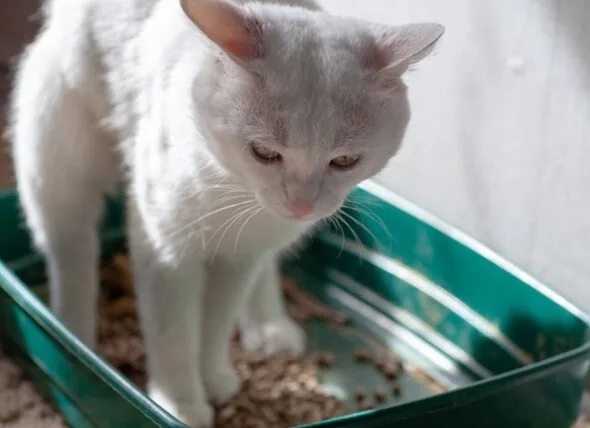
What is Megacolon in Cats?
Short answer: Megacolon in cats occurs when the colon becomes abnormally enlarged and loses muscle tone, making it difficult to pass stool and leading to chronic constipation or obstipation. Key symptoms include infrequent defecation, straining, and passing hard, dry feces, sometimes with liquid stool leaking around a blockage. Causes range from pelvic abnormalities and dehydration to nerve dysfunction and obstructions. Early recognition and veterinary intervention are crucial for managing megacolon in cats, with treatment often involving dietary changes, medications, or, in severe cases, surgery. Owners should monitor their cat’s litter box habits closely for any concerning changes.
Megacolon in cats is a serious condition where the large intestine becomes abnormally dilated and loses its ability to effectively move stool, leading to severe constipation. As a cat owner who has navigated chronic illness with my own feline companion, I understand the worry that comes with seeing your cat struggle (cat heart rate too).
This guide, drawing on expertise from veterinary institutions, aims to clarify the symptoms, potential causes, and what you can do if you suspect megacolon in your cat. We will cover when to watch and when to call your veterinarian immediately.
Remember, this information is for educational purposes and cannot replace a professional diagnosis or treatment plan from your veterinarian.
Why Understanding Megacolon in Cats Matters
Recognizing the signs of megacolon in cats is vital because it’s a progressive condition that can significantly impact your cat’s quality of life and, if left untreated, can lead to severe health complications. The colon’s primary role is to absorb water from waste material and store feces before elimination. When this process is impaired by megacolon, stool hardens and accumulates, leading to extreme discomfort, pain, and potential blockages. This situation can escalate quickly from simple constipation to obstipation, where the cat is unable to defecate at all.
The Cornell Feline Health Center highlights that megacolon can stem from various underlying issues, noting the importance of a thorough veterinary investigation. They note that while the exact cause isn’t always clear, chronic constipation is a major contributor. Prompt identification allows for timely management, potentially preventing the need for more aggressive interventions like surgery and improving your cat’s long-term prognosis. Understanding the nuances of this condition empowers you to provide the best possible care for your feline friend.
Megacolon in Cats: When to Wait and When to Call the Vet
Differentiating between a minor litter box issue and a potential sign of megacolon in cats requires careful observation. As an owner who has learned the hard way, I stress the importance of knowing your cat’s normal routine and noticing subtle changes. Here’s a guide to help you triage:
Wait and watch:
- Infrequent defecation: Your cat misses one usual litter box visit but is otherwise acting normally, eating, drinking, and playing.
- Slightly firmer stool: The stool appears a bit drier than usual but still passes without obvious distress.
- Brief straining: Occasional, short straining in the litter box that resolves quickly and is followed by successful defecation.
- Minimal appetite change: Your cat eats most of their usual food, perhaps with a slight decrease in interest.
- Normal energy levels: No significant changes in activity, sleep patterns, or interaction with you.
Call your vet now:
- No defecation for >24-48 hours: This is a critical threshold. Prolonged absence of stool can indicate a significant blockage.
- Repeated, prolonged straining: Straining that lasts for several minutes, occurs multiple times, or seems painful.
- Vomiting: Especially if it occurs after attempting to defecate or if it becomes frequent.
- Lethargy and weakness: Your cat is unusually tired, unresponsive, or seems to be in pain.
- Abdominal pain or distension: Your cat cries out when their belly is touched, seems uncomfortable, or their abdomen appears visibly swollen.
- Blood or mucus in stool: Any visible blood or excessive mucus, especially when combined with straining, warrants immediate attention. The Merck Vet Manual states that obstipation, a severe form of constipation, requires urgent care. Their guidance emphasizes that obstipation is a medical emergency.
- Watery diarrhea (leakage): While seemingly the opposite of constipation, liquid stool leaking around a large, impacted mass is a serious sign of megacolon.
If you observe any of the ‘call your vet now’ signs, do not delay. The ASPCA Animal Poison Control Center, while focused on toxins, also stresses that any unusual or persistent gastrointestinal distress warrants professional evaluation. Their approach to emergencies underscores prompt veterinary assessment for severe symptoms.
Home Care Steps for Cats with Megacolon
- Increase dietary fiber: Gradually incorporate a veterinarian-recommended high-fiber food or supplement, such as psyllium, to add bulk to the stool and encourage movement. Ensure your cat has constant access to fresh water to prevent dehydration, which can worsen constipation. This change should be implemented slowly over several days to avoid digestive upset.
- Ensure hydration: Offer multiple sources of fresh water daily. Consider a pet water fountain to encourage drinking, or add a little water or low-sodium chicken broth to your cat’s wet food. Adequate hydration is critical for softening stool.
- Encourage exercise: Gentle play and activity can stimulate bowel motility. Aim for at least 15-20 minutes of interactive play sessions daily, using toys that engage your cat’s natural hunting instincts. More movement helps keep the digestive system active.
- Administer prescribed medications: If your veterinarian has prescribed laxatives (like lactulose) or stool softeners, administer them exactly as directed. Do not adjust dosages or frequency without consulting your vet. Consistency is key for managing chronic constipation.
- Manual stimulation (under vet guidance): In some specific cases, a veterinarian might guide you on how to gently assist your cat with defecation. This is rare and should only be done under strict veterinary supervision to avoid injury.
- Maintain a clean litter box: Ensure the litter box is scooped daily and cleaned regularly. Some cats may avoid a dirty box, exacerbating constipation issues. Providing multiple litter boxes can also be helpful.
- Monitor litter box habits diligently: Keep a close watch on frequency, stool consistency, and any signs of straining. This information is invaluable for your vet when assessing treatment effectiveness. Note any changes in your cat’s behavior around the litter box.
Debunking Common Myths About Megacolon in Cats
Myth: Megacolon is just severe constipation that will resolve on its own.
Reality: While megacolon stems from constipation, it’s a chronic condition where the colon’s muscle function is permanently impaired. It rarely resolves on its own and requires ongoing management. According to The Merck Vet Manual, the colon loses its normal strength and elasticity, necessitating medical or surgical intervention to prevent serious complications like obstipation. Their resources highlight that ignoring it leads to worsening impaction.
Myth: My cat is constipated because they are eating too much hair. Hairballs are the sole cause of megacolon.
Reality: While large hairballs can contribute to constipation and, in some cases, megacolon, they are not the only cause. Megacolon can result from pelvic narrowing, neurological issues affecting the colon’s nerves, chronic dehydration, gastrointestinal diseases, or even certain medications. PetMD notes several potential underlying factors. Over-reliance on hairball remedies might mask other issues.
Myth: If my cat has diarrhea, they don’t have megacolon.
Reality: Paradoxically, cats with megacolon can experience periods of diarrhea. This occurs when liquid stool manages to seep around a large, impacted mass of feces in the colon. If you notice watery stool mixed with firm fecal matter or if your cat is straining and only passing small amounts of liquid, it could be a sign of a significant blockage due to megacolon.
Myth: Surgery is always the worst-case scenario and guarantees a poor outcome for megacolon.
Reality: Surgery, typically a colectomy (removal of the affected colon segment), is often necessary for severe or chronic megacolon cases that don’t respond to medical management. While it’s a major procedure, many cats experience significant improvement and a better quality of life post-surgery. The prognosis can be good if the surgery is performed by an experienced veterinarian and followed by appropriate post-operative care, as indicated by veterinary surgical literature.
What to Track for Megacolon in Cats
- Defecation frequency: Note how many days pass between litter box visits. Compare this to your cat’s normal pattern.
- Stool consistency: Observe if the stool is hard, dry, pebble-like, or if liquid is leaking around a mass. Use a color chart if helpful.
- Straining behavior: Track how long and how often your cat strains in the litter box. Note any vocalizations or signs of discomfort.
- Appetite and thirst: Monitor food intake and water consumption. A decrease in appetite or thirst can be a significant indicator.
- Vomiting episodes: Record the frequency, timing (e.g., after straining), and contents of any vomit.
- Litter box usage: Note any changes in the number of times the box is used or if the cat eliminates outside the box.
- Activity level: Observe for lethargy, hiding, or reluctance to move, which can indicate pain or illness.
- Abdominal palpation: Gently feel your cat’s abdomen for unusual firmness or signs of discomfort when touched (use caution and stop if your cat shows distress).
- Body condition: Track weight changes. Significant weight loss can accompany chronic illness.
- Urination: While not directly related to megacolon, changes in urination can indicate overall health issues.
Frequently Asked Questions About Megacolon in Cats
Can a cat live a normal life with megacolon?
A cat can often live a good quality of life with megacolon, especially with early diagnosis and consistent management. Treatment plans, which may include dietary adjustments, medications, and regular veterinary check-ups, aim to control symptoms and prevent severe constipation. The Cornell Feline Health Center offers insights into managing chronic conditions, suggesting that proactive care can lead to a stable state for many cats.
What are the signs of obstipation in cats?
Obstipation is a severe form of constipation where a cat is completely unable to pass stool. Signs include extreme straining with no result, vomiting (especially after straining), severe lethargy, abdominal pain, loss of appetite, and dehydration. The Merck Vet Manual classifies obstipation as a medical emergency requiring immediate veterinary intervention to prevent life-threatening complications.
Is megacolon in cats hereditary?
While not always directly hereditary, certain factors that predispose cats to megacolon can have a genetic component. For example, congenital pelvic narrowing, which can lead to constipation and megacolon, is a structural issue that can be present from birth. Some breed predispositions to gastrointestinal issues might also indirectly increase risk, though specific genetic links to megacolon itself are not widely established.
How is megacolon diagnosed in cats?
Diagnosis involves a thorough physical examination, including palpation of the abdomen to feel for enlarged colon or fecal masses. Diagnostic imaging, such as X-rays, is crucial to assess the colon’s size and rule out other issues like obstructions or pelvic abnormalities. Blood work may be done to check overall health and hydration status. The Merck Vet Manual details how these diagnostic tools help confirm the condition.
What is the treatment for megacolon in cats?
Treatment aims to clear the impacted feces and manage ongoing constipation. Initial steps usually involve dietary changes (increased fiber, hydration), laxatives, or stool softeners prescribed by a vet. Enemas may be administered by a veterinarian. For severe or chronic cases unresponsive to medical therapy, surgery to remove the affected portion of the colon (colectomy) might be recommended. The approach is tailored to the individual cat’s condition.
Can diet alone cure megacolon in cats?
Diet alone is unlikely to cure established megacolon, as the condition involves impaired muscle function. However, diet plays a critical role in management. Increasing fiber and ensuring adequate hydration can significantly help soften stool and promote easier passage, often working in conjunction with medications. A veterinarian will recommend specific therapeutic diets or supplements as part of a complete treatment plan.
When to Seek Veterinary Care for Megacolon
Megacolon in cats is a serious condition requiring diligent owner observation and prompt veterinary attention. While some mild constipation can be managed at home with dietary adjustments, persistent or severe symptoms like prolonged lack of defecation, straining, vomiting, or lethargy necessitate immediate professional evaluation. Early intervention is key to improving your cat’s prognosis and preventing potentially life-threatening complications. Always consult your veterinarian for a diagnosis and treatment plan tailored to your cat’s specific needs.