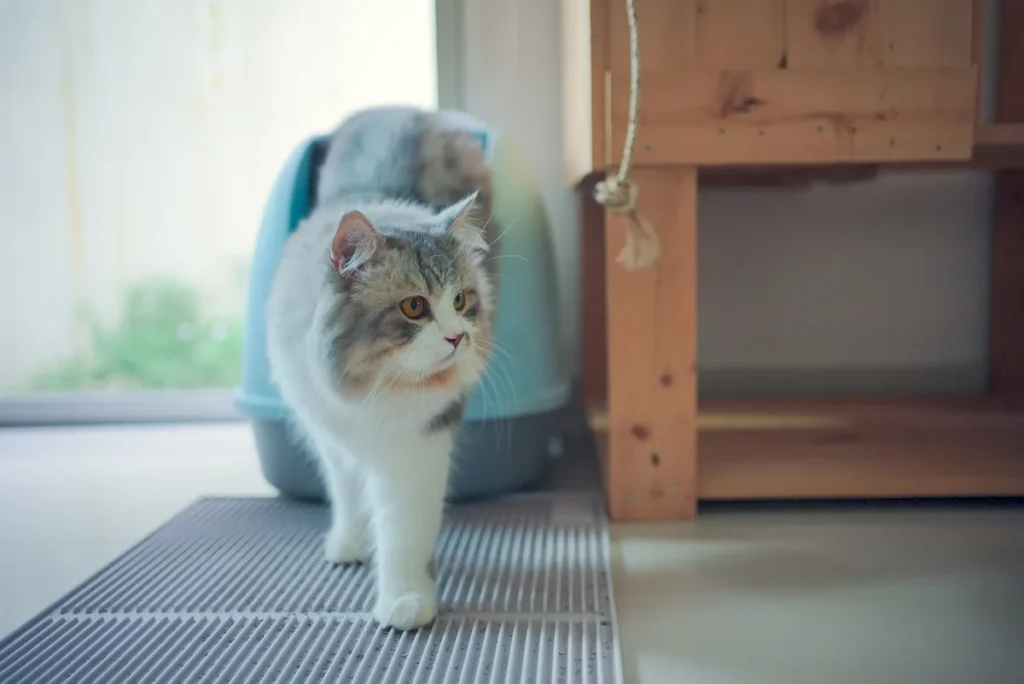
Quick Answer: Cat Constipation Symptoms
Quick version: Key cat constipation symptoms include straining in the litter box, infrequent or absent bowel movements, passing hard or small stools, vomiting, decreased appetite, lethargy, and abdominal discomfort. If your cat strains for more than 48 hours, cannot urinate, or shows signs of severe pain or distress, seek immediate veterinary attention. Less severe, isolated incidents may allow for a ‘wait and watch’ approach, but persistent issues or the presence of other concerning signs warrant a vet call (megacolon in cats).
Recognizing the signs of cat constipation symptoms is crucial for your cat’s well-being, as difficulty defecating can range from mild discomfort to a sign of serious underlying illness.
As a cat owner who has navigated chronic health issues, I understand the anxiety that comes with observing changes in your cat’s litter box habits. This guide provides actionable insights based on veterinary expertise to help you monitor your cat’s digestive health and differentiate between minor issues and urgent concerns.
We’ll cover what to look for, potential causes, and clear thresholds for when to contact your veterinarian, drawing on reputable sources like the Cornell Feline Health Center and the Merck Veterinary Manual. This article is for informational purposes and does not replace professional veterinary diagnosis or treatment.
Why Understanding Cat Constipation Symptoms Matters
Observing your cat’s litter box habits provides a direct window into their internal health. Changes indicating constipation can signal significant issues. As an owner who’s learned from experience, I know overlooking subtle signs can lead to more complex health problems. Constipation isn’t just about a “stuck” bowel movement; it can signal dehydration, dietary problems, pain, or even serious systemic diseases like kidney disease or intestinal obstructions, according to the Cornell Feline Health.
Untreated constipation can escalate to obstipation, a more severe and painful condition, or megacolon, a chronic dilation of the colon that can become irreversible and significantly impact your cat’s quality of life. Recognizing early cat constipation symptoms allows for prompt intervention, often leading to simpler treatments and preventing more serious complications. Understanding these signs empowers you to act decisively, ensuring your feline companion receives timely care and minimizing potential suffering.
When to Wait and Watch vs. Call the Vet
Navigating your cat’s health requires careful observation, especially concerning their digestive function. Deciding whether to monitor at home or seek immediate veterinary care can be stressful. The Cornell Feline Health Center emphasizes that while occasional mild constipation might resolve on its own, certain signs demand professional evaluation. Here’s a breakdown to help you triage:
Wait and watch:
- Infrequent, but soft stools: Your cat may miss a day or two of bowel movements, but when they go, the stool is soft and passed without visible straining or distress.
- Slight decrease in appetite: A mild reduction in food intake for less than 24 hours, without other symptoms like vomiting or lethargy.
- Slightly less active: Your cat seems a bit more subdued but remains responsive, grooms, and drinks water.
- Occasional litter box visits without results: Your cat enters the litter box, attempts to go, passes nothing, and then resumes normal activity without prolonged distress.
Call your vet now:
- Straining for more than 48 hours: Persistent, unproductive attempts to defecate lasting more than two full days.
- Vomiting accompanying constipation: Any vomiting, especially if it occurs more than once or with other signs of illness, is a red flag. The ASPCA Animal Poison Control highlights that vomiting can indicate a more serious blockage or systemic issue.
- Lethargy and hiding: If your cat is unusually tired, unresponsive, hiding, or unwilling to move, it suggests significant discomfort or illness.
- Visible pain or crying: If your cat vocalizes in pain while attempting to defecate or shows signs of abdominal tenderness when touched.
- Inability to urinate: Straining to urinate or producing little to no urine is a critical emergency, potentially indicating a life-threatening urinary blockage.
- Blood in stool or around anus: Fresh blood, especially if significant, requires immediate veterinary assessment.
- Abdominal distension: A visibly swollen or hard abdomen can indicate a serious blockage or other internal problem.
The Merck Veterinary Manual advises that chronic constipation can lead to serious complications, making timely veterinary intervention essential for conditions that don’t resolve quickly or present with severe symptoms.
Step-by-Step Home Care and Veterinary Guidance
When you notice signs of potential constipation, a structured approach combining home care and veterinary guidance is most effective. Remember, this information supports owners and does not substitute professional veterinary advice. Always consult your veterinarian for diagnosis and treatment plans.
- Assess Litter Box Habits: For 24-48 hours, meticulously track your cat’s litter box usage. Note the frequency, duration of stays, and any straining or vocalization. Observe if any stool is produced, and if so, note its consistency (hard, small, mushy, normal). This detailed observation is critical for your vet.
- Encourage Hydration: Dehydration commonly contributes to constipation. Ensure fresh, clean water is always available. Consider a pet water fountain, as moving water can entice some cats to drink more. Adding a tablespoon of low-sodium chicken broth (ensure no onion or garlic) to their water can also increase intake for some cats. The Merck Vet Manual notes adequate water is key for stool consistency.
- Review Diet and Fiber: Ensure your cat eats a high-quality diet appropriate for their age and health status. Some veterinarians recommend increasing dietary fiber through specific veterinary-approved supplements or wet food formulations. Avoid sudden dietary changes. Discuss any planned diet modifications with your vet first.
- Promote Activity: Encourage regular exercise and play for at least 15-20 minutes daily. Interactive play sessions using wand toys or laser pointers (used responsibly, ending with a tangible reward) stimulate movement, which aids digestion. Ensure your cat has access to climbing structures and scratching posts to encourage natural movement.
- Evaluate Litter Box Environment: Ensure the litter box is clean (scooped daily, fully cleaned weekly), easily accessible (low entry for older cats or those with mobility issues), and located in a quiet, low-traffic area away from food and water bowls. Some cats prefer unscented, clumping litter. Consider any recent changes to litter type or box location.
- Schedule a Veterinary Visit: If symptoms persist beyond 48 hours, if your cat shows any signs listed in the ‘Call your vet now’ section, or if this is a recurrent issue, schedule an appointment. Your veterinarian will perform a physical exam, potentially recommend diagnostic tests like X-rays or bloodwork, and prescribe appropriate treatment, which may include enemas, laxatives, or medications to address underlying causes.
Debunking Common Constipation Myths
Myth: Constipation is just a one-off issue that cats will eventually sort out themselves.
Reality: While mild, infrequent constipation can sometimes resolve with minor home care adjustments, it can also signal serious underlying conditions. The Cornell Feline Health stresses that failure to address constipation can lead to obstipation or megacolon, significantly impacting a cat’s health and requiring more intensive treatment.
Myth: If my cat is straining, it’s definitely constipation.
Reality: Straining in the litter box can mimic other urgent conditions, including urinary blockage (a life-threatening emergency) or even diarrhea where the cat feels the urge but passes little or no stool. Observe other accompanying symptoms and consult a veterinarian if straining persists or is accompanied by distress, especially if urination seems affected.
Myth: Giving your cat human laxatives is safe and effective.
Reality: Human medications, including laxatives, can be dangerous for cats. They may contain ingredients that are toxic or have dosages inappropriate for felines, potentially leading to severe side effects or poisoning. Always use only medications prescribed or recommended by your veterinarian for your cat.
Myth: Constipation is only caused by eating hairballs or dry food.
Reality: While hairballs and inadequate hydration from dry food can contribute, constipation has numerous causes. These range from stress, litter box aversion, and lack of exercise to more serious issues like kidney disease, diabetes, hyperthyroidism, inflammatory bowel disease, or even neurological problems affecting bowel motility, according to the Merck Vet Manual.
Your Cat Constipation Observation Checklist
Detailed observation is your most powerful tool when monitoring your cat’s digestive health. Keeping a log of the following provides invaluable information for your veterinarian:
- Frequency of Litter Box Use: How often does your cat enter the box? Compare this to their normal routine.
- Duration of Litter Box Visits: Are visits prolonged, with extended straining or stillness?
- Vocalization/Distress: Does your cat cry out, meow painfully, or appear distressed while in the box?
- Stool Production: Is any stool being passed? Note the quantity (none, small amount, normal), consistency (hard pellets, dry, mushy, liquid), and appearance (color, presence of blood or mucus).
- Appetite Levels: Has your cat’s interest in food decreased? Is it a complete refusal or just a slight reduction?
- Water Intake: Are you noticing a change in how much water your cat is drinking?
- Energy Levels: Is your cat more lethargic, sleeping more, or less interactive than usual?
- Vomiting Episodes: Note the frequency, timing, and content of any vomit.
- Abdominal Palpation: Does your cat react negatively (hiss, swat, tense up) if you gently touch their abdomen? Is it hard or distended?
- Changes in Grooming: Is your cat grooming excessively or neglecting grooming due to discomfort?
Regularly updating this checklist, especially when you suspect a digestive issue, will help your vet pinpoint potential causes and the best course of action.
Frequently Asked Questions About Cat Constipation
How long can a cat go without pooping?
While normal defecation frequency varies among cats, going more than 24-48 hours without a bowel movement is generally considered abnormal and warrants veterinary attention. The Merck Vet Manual suggests that prolonged absence of stool can lead to significant discomfort and potential complications.
Can stress cause constipation in cats?
Yes, stress can significantly impact a cat’s digestive system. Environmental changes, household disruptions, anxiety, or even an unclean or inaccessible litter box can cause a cat to withhold stool, leading to constipation. Addressing the source of stress is often key to management.
What if my cat is constipated and also has diarrhea?
This presentation can be confusing and often indicates a more serious issue, such as inflammatory bowel disease or a partial obstruction. The cat may feel the urge to defecate but only pass small amounts of liquid stool or mucus around a blockage. This situation requires immediate veterinary evaluation.
Are certain cat breeds more prone to constipation?
While any cat can experience constipation, breeds with brachycephalic (short-nosed) features, like Persians or Himalayans, may be more prone to dehydration and related constipation due to anatomical differences affecting drinking and breathing. Older cats, especially those with mobility issues or conditions like arthritis, may also be more susceptible.
Can I give my cat a hairball remedy for constipation?
Some hairball remedies contain lubricants that might help move stool, but they are not a cure for constipation and should only be used if recommended by your veterinarian. Constipation can have many causes beyond hairballs, and using the wrong product could be ineffective or even harmful. Always consult your vet before administering any over-the-counter remedy.
What is obstipation in cats?
Obstipation is a more severe form of constipation where fecal matter becomes extremely hard, dry, and impacted in the colon, making it very difficult or impossible for the cat to pass. It is often painful and can lead to significant discomfort, loss of appetite, and vomiting. Obstipation requires prompt veterinary intervention to relieve the impaction.
Conclusion: Prioritizing Your Cat’s Digestive Health
Understanding the nuances of cat constipation symptoms empowers you to be a proactive advocate for your cat’s health. By carefully observing their behavior, tracking key indicators, and knowing when to seek professional help, you can prevent minor issues from escalating into serious health crises. Your veterinarian is your most valuable partner in ensuring your feline companion enjoys a healthy, comfortable life.