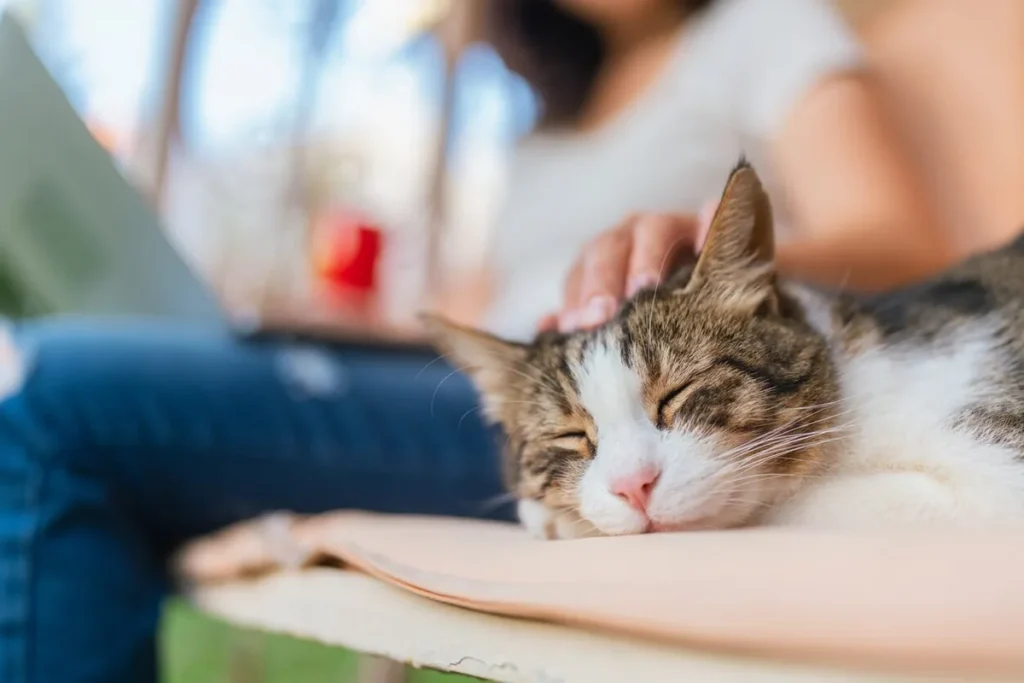
What is Chronic Vomiting in Cats?
Short answer: Chronic vomiting in cats refers to repeated episodes of throwing up over weeks or months, often occurring at least monthly and sometimes daily, typically with one or two vomits per episode. Unlike occasional hairballs, this persistent issue signals an underlying medical problem, ranging from dietary intolerability and infections to more serious conditions like inflammatory bowel disease (IBD), hyperthyroidism, or gastrointestinal obstructions. Recognizing the frequency, accompanying symptoms like diarrhea or weight loss, and specific vomit characteristics is crucial for timely veterinary intervention.
Chronic vomiting in cats means your feline companion is throwing up frequently over an extended period, and it’s a serious health concern that warrants veterinary attention. While occasional hairballs are normal, persistent vomiting signals an underlying issue that needs diagnosis and treatment (cat constipation symptoms).
As an owner who has navigated these challenges firsthand, I understand how concerning it can be to see your cat repeatedly unwell. This guide, drawing on veterinary expertise, will help you identify potential causes, understand diagnostic steps, and know when to seek immediate professional help.
This resource is for informational purposes and does not replace a veterinary diagnosis. Always consult your veterinarian for any health concerns regarding your cat.
Why Chronic Vomiting in Cats Demands Your Attention
As cat owners, we often accept occasional hairballs as part of the package. However, when vomiting becomes a recurring event – happening weekly, monthly, or even daily – it’s far beyond a simple hairball. This persistent symptom, known as chronic vomiting in cats, indicates something is wrong internally. The Merck Vet Manual highlights that chronic vomiting can stem from numerous conditions, making it a frustrating yet vital diagnostic puzzle for veterinarians.
Ignoring persistent vomiting can lead to serious complications, including dehydration, malnutrition, and electrolyte imbalances. If your cat loses fluids and nutrients faster than they can be absorbed, their overall health can deteriorate rapidly. Furthermore, chronic vomiting in cats can signal serious, progressive diseases such as inflammatory bowel disease (IBD), kidney disease, or certain types of cancer. Early detection and intervention are key to managing these conditions effectively and improving your cat’s quality of life. Recognizing the signs and understanding the potential causes empowers you to partner effectively with your veterinarian.
When to Wait and Watch vs. Call Your Vet Immediately
Deciding whether to monitor your cat at home or rush to the veterinarian can be stressful. With chronic vomiting in cats, the frequency and severity of symptoms are key indicators. While some mild, infrequent episodes might allow for observation, many signs demand immediate professional evaluation.
Wait and watch:
- Infrequent vomiting (less than once a month) that appears related to hair ingestion, with the cat otherwise acting normally.
- Vomiting immediately after eating a new food, with no other symptoms present, suggesting a mild dietary intolerance that might resolve.
- A single episode of vomiting clearly linked to ingesting a non-toxic plant that the cat has since passed, and the cat shows no subsequent signs of illness.
- Occasional vomiting of a large hairball, followed by normal behavior and appetite.
Call your vet now:
- Vomiting that occurs more than once in a 24-hour period, or more than 3 times in a week.
- Vomiting containing blood (bright red or coffee-ground appearance) or foreign objects.
- Vomiting accompanied by lethargy, weakness, or refusal to eat for more than 12-24 hours.
- Signs of dehydration: sunken eyes, dry gums, or reduced skin elasticity (when gently pinched, the skin stays tented).
- Vomiting alongside diarrhea, especially if the diarrhea contains blood or is dark and tarry.
- Sudden, unexplained weight loss in conjunction with vomiting.
- Any vomiting episode in a kitten or an elderly cat, or a cat with a pre-existing chronic condition like diabetes or kidney disease.
- Vomiting occurring after the ingestion of a known toxin or medication, as advised by the Pet Poison Helpline.
For specific concerns like potential toxin ingestion, the ASPCA advises immediate contact with a veterinarian or poison control center rather than attempting home remedies, as inducing vomiting can be dangerous in certain situations.
Steps for Managing Chronic Vomiting in Cats
- Observe and Record Symptoms: Before your vet appointment, meticulously document the vomiting episodes. Note the frequency (e.g., daily, weekly), timing (e.g., before or after meals, at night), appearance of vomit (food, bile, foam, blood, foreign material), and any accompanying signs like diarrhea, appetite changes, lethargy, or changes in water intake. This detailed log is invaluable for diagnosis.
- Ensure Hydration: If your cat is vomiting but still drinking water and has a good appetite, monitor hydration closely. If appetite is reduced or vomiting is frequent, ensure fresh water is always available. Signs of dehydration (sunken eyes, dry gums, lethargy) are a red flag requiring immediate veterinary attention.
- Review Diet and Feeding Habits: Consider any recent changes in your cat’s food, treats, or feeding schedule. Ensure you are feeding a high-quality, age-appropriate diet. Avoid sudden food transitions. If you suspect a food allergy or intolerance, consult your vet before making drastic dietary changes.
- Minimize Hairball Formation: For cats prone to hairballs, regular grooming (daily for long-haired breeds) can significantly reduce ingested fur. Consider a hairball-specific diet or supplement, as recommended by your veterinarian.
- Prevent Access to Toxins and Foreign Objects: Securely store all household chemicals, human medications, and toxic plants. Keep small objects like string, rubber bands, and hair ties out of reach, as ingestion can lead to obstructions and vomiting.
- Administer Prescribed Medications: If your veterinarian has diagnosed a condition and prescribed medication (e.g., for IBD, hyperthyroidism, or nausea), ensure you administer it exactly as directed. Do not stop medication without consulting your vet, even if symptoms appear to improve.
- Schedule Follow-Up Veterinary Appointments: Chronic vomiting in cats often requires ongoing management. Attend all scheduled recheck appointments to monitor your cat’s progress, adjust treatment if necessary, and discuss any new symptoms or concerns. The University of Illinois Veterinary notes that consistent veterinary monitoring is crucial for successful long-term management.
Debunking Myths About Chronic Vomiting in Cats
Myth: All vomiting in cats is just a hairball issue.
Reality: While hairballs are a common cause of occasional vomiting, they are not the sole reason. Chronic vomiting in cats, especially if it occurs frequently or is accompanied by other symptoms, often points to more serious underlying conditions like inflammatory bowel disease (IBD), kidney disease, hyperthyroidism, or gastrointestinal obstructions. Relying solely on hairball remedies can delay crucial diagnosis and treatment for these conditions.
Myth: My cat is just a picky eater and vomits after eating certain foods.
Reality: While some cats have sensitive stomachs, persistent vomiting after eating is more than just pickiness. It can indicate a food allergy, intolerance, or a more serious gastrointestinal issue. The Merck Vet Manual suggests that dietary indiscretion or intolerance is one cause, but it’s essential to rule out other medical explanations through veterinary diagnostics.
Myth: If my cat vomits bile (yellow liquid), it’s harmless.
Reality: Vomiting yellow bile typically means the cat’s stomach is empty and they are retching. While a single instance might not be alarming, frequent vomiting of bile, especially in the context of chronic vomiting in cats, can indicate underlying gastrointestinal inflammation, irritation, or even partial obstruction. It signifies that the digestive system is not functioning correctly and warrants veterinary investigation.
Myth: My cat vomits because they are stressed or anxious.
Reality: While stress can exacerbate certain conditions, it’s rarely the primary cause of chronic vomiting in cats. Psychogenic vomiting, linked solely to stress, is uncommon. More often, stress might worsen symptoms of an underlying physical ailment. It’s critical to rule out physical causes with a veterinarian before attributing vomiting solely to behavioral or emotional factors.
Myth: I can give my cat human anti-vomiting medication if they seem unwell.
Reality: Never administer human medications to your cat without explicit veterinary guidance. Many human drugs are toxic to cats, and even those that might seem safe can have dangerous side effects or interact negatively with other conditions. The Pet Poison Helpline frequently addresses cases of accidental poisoning from inappropriate medication use.
What to Track for Your Cat’s Vomiting Episodes
Accurate observation is crucial when dealing with chronic vomiting in cats. Your veterinarian will rely on the details you provide to help pinpoint the cause. Keep a log or use a notes app to track the following:
- Frequency and Timing: How often does vomiting occur (e.g., daily, every few days, weekly)? When does it happen – before meals, after meals, randomly, at night?
- Vomit Contents: Describe what is being vomited. Is it undigested food, bile (yellow or green liquid), foamy white fluid, mucus, blood (bright red or dark like coffee grounds), or foreign objects (string, plastic)?
- Volume: Is it a small amount or a large volume of vomit?
- Appetite and Thirst: Has your cat’s appetite changed (increased or decreased)? Are they drinking more or less water than usual?
- Bowel Movements: Note any changes in stool consistency (diarrhea, constipation), color, or presence of blood.
- Behavioral Changes: Look for increased lethargy, hiding, vocalization, restlessness, or signs of pain or discomfort.
- Weight: Have you noticed any unexplained weight loss or gain? Weighing your cat regularly at home can be helpful.
- Grooming Habits: Is your cat grooming excessively? Excessive grooming can lead to hairballs.
- Litter Box Use: Note any changes in urination frequency or volume, or difficulty urinating.
Frequently Asked Questions About Cat Vomiting
What is the difference between acute and chronic vomiting in cats?
Acute vomiting refers to a sudden onset of vomiting that typically lasts for a short duration, often resolving on its own or with simple treatment. Chronic vomiting in cats, however, is defined as vomiting that occurs repeatedly over an extended period, generally considered to be more than three weeks. This persistent nature often indicates a more serious underlying condition requiring thorough veterinary investigation.
Can chronic vomiting in cats be a sign of kidney disease?
Yes, chronic vomiting in cats can absolutely be a symptom of kidney disease. As kidney function declines, toxins can build up in the bloodstream, leading to nausea and vomiting. Other signs may include increased thirst and urination, weight loss, and lethargy. The American Veterinary Medical Association (AVMA) notes that kidney disease is common in cats and can present with various symptoms, including vomiting.
What diagnostic tests might my vet perform for chronic vomiting in cats?
Your veterinarian will likely start with a thorough physical examination and a detailed history. Diagnostic tests can include blood work (to assess organ function, check for infection, and evaluate hydration), urinalysis, fecal tests (to check for parasites), abdominal X-rays or ultrasound (to visualize organs and look for obstructions or masses), and potentially specific tests for diseases like hyperthyroidism or inflammatory bowel disease. In some cases, biopsies of the gastrointestinal tract may be recommended, often obtained via endoscopy or surgery, as noted by VCA Animal Hospitals.
Can diet alone resolve chronic vomiting in cats?
In some cases, dietary changes can significantly improve or resolve chronic vomiting in cats, particularly if the cause is a food allergy or intolerance. This often involves a strict elimination diet trial using novel protein sources or hydrolyzed proteins prescribed by your veterinarian. However, if the vomiting is due to other diseases like IBD, infections, or organ dysfunction, diet alone will not be sufficient and must be part of a broader treatment plan.
What are the long-term implications of untreated chronic vomiting in cats?
Untreated chronic vomiting in cats can lead to severe dehydration, electrolyte imbalances, malnutrition, and significant weight loss. It can also indicate and allow progressive diseases like inflammatory bowel disease, kidney disease, or cancer to worsen, potentially leading to a poorer prognosis. The constant nausea and discomfort can also severely impact your cat’s quality of life, leading to depression and behavioral changes.
Is it possible for a cat to vomit blood?
Yes, it is possible for a cat to vomit blood. Blood in the vomit can appear bright red if it’s fresh or dark and granular, resembling coffee grounds, if it has been partially digested in the stomach. Vomiting blood is a serious sign and requires immediate veterinary attention, as it indicates significant irritation, ulceration, or bleeding within the gastrointestinal tract.
How does hyperthyroidism cause vomiting in cats?
Hyperthyroidism, a common endocrine disorder in older cats, often causes an overproduction of thyroid hormones, which speeds up metabolism. This can lead to gastrointestinal upset, including increased appetite, weight loss, hyperactivity, and vomiting. The increased metabolic rate and gut motility can contribute to nausea and regurgitation. Addressing hyperthyroidism with appropriate veterinary treatment is crucial for managing vomiting associated with this condition.
When to Seek Veterinary Care for Vomiting
Persistent vomiting in your feline companion is never something to ignore. While occasional hairballs are a common feline nuisance, frequent or severe vomiting, especially when accompanied by other symptoms, demands prompt veterinary evaluation. Understanding the potential causes and recognizing the warning signs detailed below empowers you to act decisively.
Remember, this information is intended to guide your observations and conversations with your vet. A definitive diagnosis and treatment plan can only be provided by a qualified veterinarian after a thorough examination and diagnostic testing. Don’t hesitate to schedule an appointment if you have any concerns about your cat’s health.