Quick Answer on Congenital Heart Defects in Cats (cat heartbeat problems)
TL;DR: A congenital heart defect in cats is a heart abnormality present from birth, potentially causing issues with blood flow and oxygen. Signs can range from subtle to severe, including exercise intolerance, rapid breathing, or fainting. While some defects are minor, others require prompt veterinary diagnosis and management. Early recognition of symptoms like unusual fatigue or breathing difficulties is key for seeking appropriate care and improving your cat’s quality of life, as outlined by experts at the Cornell Feline Health Center.
A congenital heart defect in cats is a structural abnormality of the heart present at birth, impacting blood flow and oxygen circulation. As a biology graduate and cat owner who’s navigated chronic illness with my own feline, I understand the worry these conditions bring. This guide, drawing on expert veterinary knowledge, will help you recognize potential signs, understand diagnostic steps, and know when to involve your veterinarian.
While this article provides complete information based on veterinary literature, it is not a substitute for professional medical advice. We will cover common types like atrial septal defects, explain why early detection matters, and offer clear guidance on when to monitor your cat at home versus when immediate veterinary intervention is crucial. We will not be providing diagnoses or treatment plans; those are exclusively within the purview of your veterinarian.
Understanding Congenital Heart Defects: Why It Matters for Your Cat
As cat owners, we want our companions to live long, healthy lives. A congenital heart defect, present from birth, can significantly impact this goal. These conditions, though not caused by anything an owner did or didn’t do, require vigilance. The Cornell Feline Health Center notes that congenital heart disease is relatively uncommon, affecting around 0.2% to 1% of cats, but when it occurs, it can lead to serious health complications if left unaddressed. For instance, a defect like an atrial septal defect (ASD) allows abnormal blood flow between the heart’s chambers, potentially overwhelming the lungs or reducing oxygen delivery to the body.
Recognizing the subtle signs of a congenital heart defect is crucial. Many cats are masters at hiding illness, a trait that served their ancestors well in the wild. This means that by the time obvious symptoms appear, the condition may be advanced. Understanding what to look for, such as a decreased interest in play, unusual fatigue after exertion, or subtle changes in breathing patterns, empowers you to seek timely veterinary care. This proactive approach, informed by authoritative sources like the Merck Veterinary Manual, can make a substantial difference in managing the condition and improving your cat’s prognosis and quality of life.
When to Wait and Watch vs. Call Your Vet Immediately
Navigating potential heart issues in your cat can be stressful. Knowing when to observe your cat closely and when to contact your veterinarian for an emergency appointment is vital. While only a veterinarian can diagnose a congenital heart defect, certain signs warrant immediate professional attention, while others might allow for careful monitoring before scheduling a routine visit.
Wait and watch:
- Mildly decreased activity levels, such as sleeping more than usual or showing less enthusiasm for play sessions that aren’t prolonged.
- Slower recovery after moderate activity, taking a bit longer than usual to return to a resting state.
- Occasional, brief moments of seeming breathlessness that resolve quickly on their own, without accompanying distress.
- A very slightly improve resting respiratory rate (e.g., 30-35 breaths per minute) observed over a short period, which returns to normal.
- Subtle changes in coat condition, like appearing slightly duller, provided there are no other concerning signs.
Call your vet now:
- Sudden collapse or fainting (syncope).
- Difficulty breathing (dyspnea), including open-mouth breathing, rapid breathing (over 40 breaths per minute at rest), or audible wheezing/gasping.
- Pale or bluish gums and tongue (cyanosis), indicating poor oxygenation.
- Visible abdominal distension (ascites), suggesting fluid buildup due to heart failure.
- Severe lethargy or weakness, where your cat is unresponsive or unable to stand.
- Persistent coughing, especially if accompanied by labored breathing.
- Any sign of distress or pain, such as vocalizing excessively while breathing.
These immediate red flags signal a potential crisis requiring urgent veterinary assessment. For example, breathing faster than 40 breaths per minute while at rest is a significant concern, as highlighted by veterinary cardiology resources. Prompt action can be life-saving.
Steps for Owners: Monitoring and Supporting Your Cat
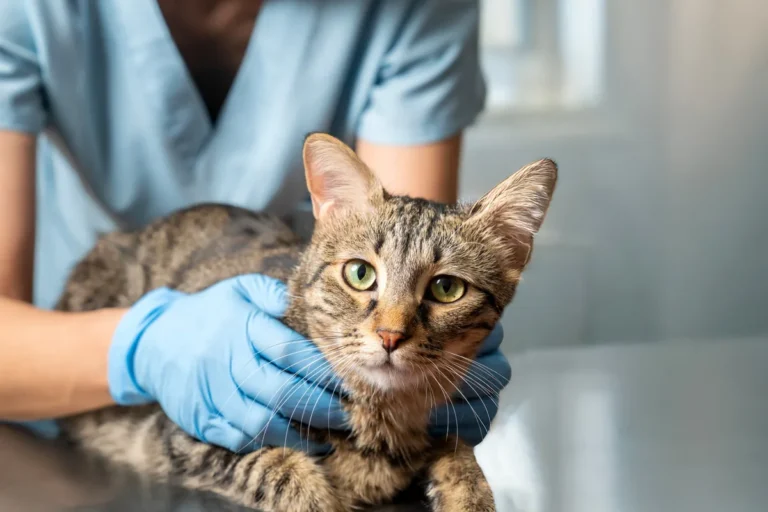
- Schedule a veterinary check-up: If you notice any of the ‘wait and watch’ symptoms or have concerns about your cat’s heart health, book an appointment. This initial visit allows your veterinarian to perform a physical exam, listen to your cat’s heart and lungs with a stethoscope (auscultation), and discuss your observations. They may recommend diagnostic tests like chest X-rays or an echocardiogram.
- Observe resting respiratory rate: Learn to count your cat’s breaths per minute while they are calm and resting. Gently place your hand on their chest or watch the rise and fall. A normal resting rate is typically between 20-30 breaths per minute. A sustained rate above 40 bpm warrants a call to your veterinarian.
- Monitor exercise tolerance: Pay attention to how much your cat plays and how quickly they tire. If your cat used to chase toys for 10 minutes but now tires after 2, this change is significant. Note any reluctance to jump or climb as before.
- Assess gum color and capillary refill time: Gently lift your cat’s lip to check their gum color. Healthy gums are typically pink. Pale or bluish gums suggest poor circulation or oxygenation and require immediate veterinary attention. You can also gently press on a gum and time how long it takes for the color to return; longer than 2 seconds may indicate a problem.
- Maintain a calm environment: Stress can exacerbate heart conditions. Ensure your cat has a quiet, safe space, and try to minimize stressful events. Provide comfortable resting spots away from household traffic.
- Follow veterinary recommendations precisely: If your cat is diagnosed with a congenital heart defect, adhere strictly to your veterinarian’s treatment plan. This might include prescribed medications, dietary changes, or specific monitoring protocols. Never adjust medication doses without consulting your vet. For instance, the Merck Veterinary Manual emphasizes careful medication management for heart conditions.
- Provide enriched nutrition: Discuss with your vet about appropriate nutrition. While not a cure, a balanced diet supports overall health. Some conditions might benefit from specific nutrient profiles, but always consult your veterinarian before making significant dietary changes.
Debunking Myths About Congenital Heart Defects in Cats
Myth: Congenital heart defects are always fatal and untreatable.
Reality: This is not true. While some severe defects have a guarded prognosis, many cats with congenital heart defects can live comfortable lives with appropriate veterinary management. Small, isolated defects may even cause minimal to no symptoms. The outcome depends heavily on the specific defect, its severity, and the availability of medical and surgical interventions, as discussed by veterinary specialists.
Myth: My cat developed a heart defect because of something I did.
Reality: Congenital heart defects arise from developmental issues during the fetal stage and are not caused by your care or environment after birth. They are genetic or spontaneous anomalies. You cannot prevent them through specific actions, so do not blame yourself if your cat is diagnosed with one.
Myth: If my cat isn’t showing obvious symptoms, they don’t have a heart problem.
Reality: Cats are adept at masking illness. Many congenital heart defects, especially smaller ones, may not produce noticeable symptoms until the condition progresses or the cat experiences stress. Regular veterinary check-ups are essential for early detection, as veterinarians can identify subtle heart murmurs or irregularities that you might miss.
Myth: A heart murmur always means a serious heart condition.
Reality: While a heart murmur can indicate a congenital defect or other heart disease, not all murmurs are significant. Some young cats, particularly kittens, can have innocent murmurs that disappear as they mature. A veterinarian must evaluate any murmur to determine its cause and clinical significance.
Owner’s Observation Checklist: Key Things to Track
- Resting Respiratory Rate: Daily monitoring when calm. Note any sustained elevation above 35 bpm.
- Activity Level: Track duration and intensity of play. Note any sudden decrease in stamina or reluctance to engage.
- Breathing Pattern: Observe for rapid, shallow, or labored breathing, especially during rest or mild exertion.
- Appetite and Hydration: Monitor food intake and water consumption. Significant changes can sometimes accompany underlying health issues.
- Weight Fluctuations: Regular weigh-ins can reveal unintentional weight loss or gain, which may be linked to metabolic or cardiac changes.
- Gum Color: Check daily during petting. Note any paleness or bluish tint.
- Coughing or Gagging: Record frequency and circumstances (e.g., after eating, during play).
- Behavioral Changes: Note increased hiding, vocalization, irritability, or unusual fatigue.
- Tolerance to Handling: Observe if your cat seems more easily distressed or uncomfortable when touched or picked up.
- Urination and Defecation Habits: While less direct, changes can sometimes indicate general illness or discomfort.
Frequently Asked Questions About Congenital Heart Defects
What is the most common congenital heart defect in cats?
While prevalence varies, common congenital heart defects in cats include ventricular septal defects (VSDs), patent ductus arteriosus (PDA), and atrial septal defects (ASDs). The Merck Veterinary Manual provides extensive details on these and other anomalies, noting that specific types of defects can be more prevalent in certain breeds or genetic lines.
Can a congenital heart defect be cured?
The possibility of a cure depends entirely on the type and severity of the defect. Some minor defects may cause no significant issues and require only monitoring. Others, particularly those amenable to surgical or interventional procedures, might be corrected or significantly managed. Advanced veterinary procedures, sometimes involving cardiac catheterization, can address certain defects, but this is highly specialized and costly.
How are congenital heart defects diagnosed in cats?
Diagnosis typically begins with a thorough physical examination by a veterinarian, who will listen for heart murmurs or irregular rhythms. Further diagnostics often include chest X-rays to assess heart size and lung changes, an electrocardiogram (ECG) to evaluate electrical activity, and echocardiography (an ultrasound of the heart) to visualize the heart’s structure, blood flow, and identify specific defects. These advanced imaging techniques are crucial for accurate diagnosis, as outlined by the Cornell Feline Health Center.
Are certain cat breeds more prone to congenital heart defects?
Yes, some breeds are genetically predisposed to certain congenital heart conditions. For example, Maine Coons and Ragdolls have been noted for higher incidences of hypertrophic cardiomyopathy (though this is often acquired, genetic predispositions exist for various heart issues). Persian cats may be more prone to certain septal defects. Responsible breeding practices aim to reduce the prevalence of known inherited conditions.
What is the long-term outlook for a cat with a congenital heart defect?
The prognosis varies greatly. Small defects that cause minimal strain on the heart may allow cats to live a normal or near-normal lifespan. More significant defects can lead to congestive heart failure, pulmonary hypertension, and a shortened life expectancy. Consistent veterinary care, medication, and careful management of the cat’s environment are essential for optimizing their quality of life and longevity.
Can diet affect a cat’s congenital heart condition?
Diet does not cause or cure congenital heart defects, but proper nutrition is vital for overall health and can help manage secondary complications. A veterinarian may recommend a specific therapeutic diet if your cat develops heart failure, focusing on controlled sodium levels and potentially added nutrients like taurine or omega-3 fatty acids to support heart function. Always consult your vet before changing your cat’s diet, especially if they have a diagnosed heart condition.
Conclusion: Partnering with Your Veterinarian
Understanding a congenital heart defect in cats empowers you as a caregiver. While these conditions are complex, recognizing early signs and knowing when to seek professional help are the most critical steps you can take. This information, grounded in veterinary expertise from institutions like Cornell and the Merck Veterinary Manual, provides a framework for observation and care.
Remember, your veterinarian is your most valuable partner in managing your cat’s health. Regular check-ups and open communication about any changes you observe will ensure your cat receives the best possible care throughout their life. Your vigilance and adherence to veterinary guidance can significantly impact your cat’s well-being and comfort.
- Rapid breathing (over 40 breaths per minute at rest)
- Open-mouth breathing or visible distress
- Pale or bluish gums
- Sudden weakness or collapse
- Abdominal swelling