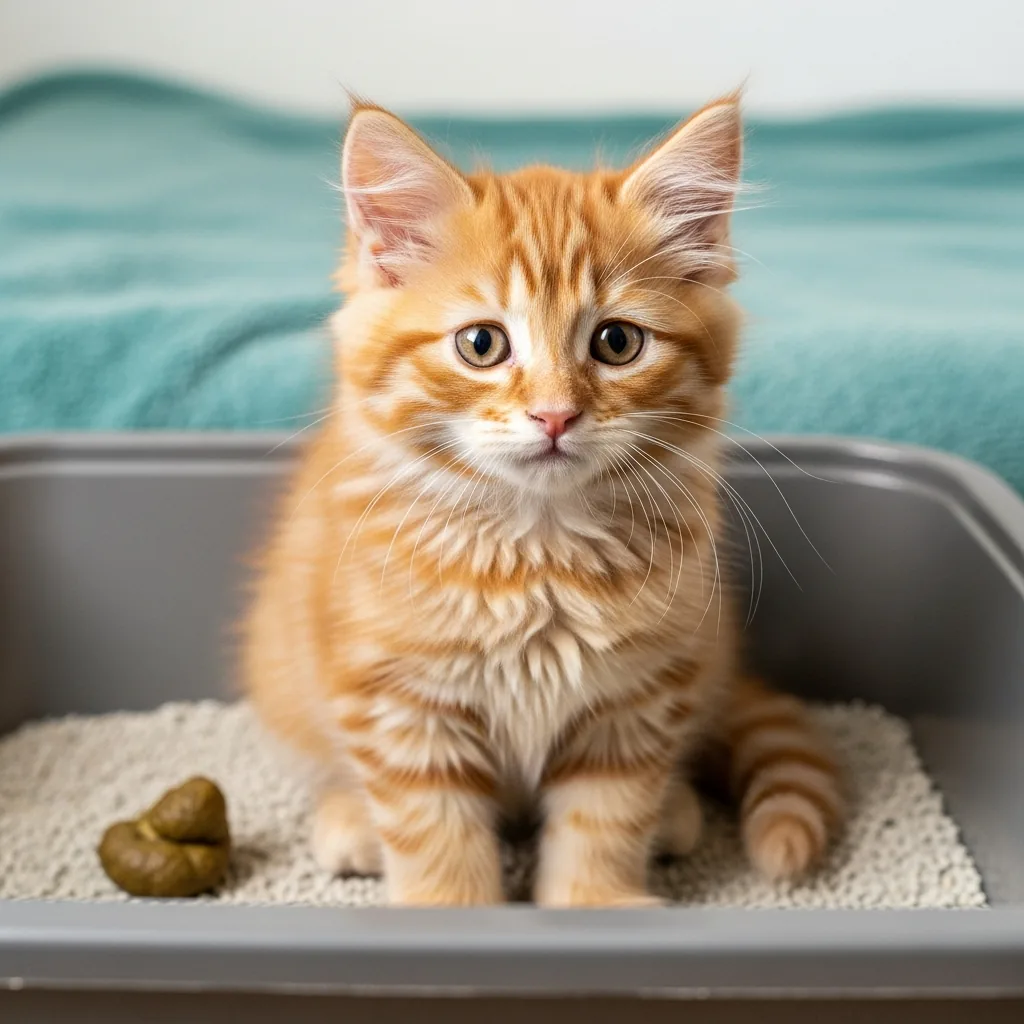
Quick Answer: What Is Kitten Constipation?
TL;DR: Kitten constipation occurs when a young cat struggles to pass stool, often indicated by straining, small/hard feces, or a lack of bowel movements for over 24-48 hours. Causes range from dehydration and diet issues to blockages or underlying health problems. While mild cases might resolve with home care like increased hydration and dietary adjustments, severe or persistent kitten constipation requires immediate veterinary attention to prevent life-threatening complications such as megacolon or intestinal rupture. Signs like lethargy, vomiting, or abdominal pain warrant an urgent vet visit.
If your kitten hasn’t pooped in 24-48 hours, they may have kitten constipation, a potentially serious condition requiring owner vigilance. As a biology graduate and cat parent who’s navigated chronic feline health issues, I understand the urgency of recognizing and responding to these signs.
This guide, drawing on veterinary expertise, will help you differentiate between mild cases and emergencies. We’ll cover common causes, actionable steps for home observation, and crucial thresholds for contacting your veterinarian. Remember, this information is for guidance; always consult your vet for diagnosis and treatment.
We will explore what kitten constipation looks like, why it’s more critical in young cats, and how to provide supportive care. This guide is not a substitute for professional veterinary advice, especially for very young or ill kittens.
Why Kitten Constipation Demands Your Attention
As a cat owner, seeing your kitten struggle is distressing. for kitten constipation, the stakes are particularly high. Kittens are not just smaller versions of adult cats; their developing bodies are more vulnerable. A blockage or inability to defecate can quickly escalate from discomfort to a life-threatening emergency. The Merck Veterinary Manual highlights that constipation, if left untreated, can lead to obstipation (complete inability to pass feces) and potentially megacolon, a condition where the colon becomes abnormally enlarged and loses its ability to function, sometimes requiring surgical intervention or leading to rupture.
My own journey tracking my cat’s CKD has taught me the critical importance of early detection and understanding subtle changes. For kittens, this is amplified. Their small size means issues can progress rapidly. Dehydration, a common culprit, can occur faster in a kitten than an adult. Dietary transitions, common at this age, can also disrupt their digestive system. Understanding the normal defecation patterns for different kitten ages, from needing maternal stimulation to independent litter box use, is your first line of defense. Recognizing the signs of strain, noting the stool consistency, and monitoring their overall demeanor are vital owner responsibilities. Prompt recognition ensures your kitten receives timely veterinary care, averting potentially fatal outcomes like colonic impaction or rupture, which are far more serious in a fragile young animal.
Wait and Watch vs. Call Your Vet Now: Triage for Kitten Constipation
Deciding whether to manage a suspected case of kitten constipation at home or seek immediate veterinary care is crucial. While some mild discomfort might resolve with supportive measures, certain signs indicate a serious problem requiring prompt professional intervention. The Cornell Feline Health Center emphasizes that persistent constipation can lead to significant complications.
Wait and watch:
- Infrequent stool production: If your kitten misses one bowel movement but otherwise appears normal and active, monitor closely. Kittens may not defecate daily, especially if very young and still relying partially on stimulation.
- Slightly firm stool: If the stool is not rock-hard and your kitten passes it with minimal, brief straining, it might be a minor consistency issue.
- Mild straining: A few seconds of effort in the litter box, followed by successful defecation, is generally not a cause for alarm if it’s infrequent.
- Normal appetite and energy: As long as your kitten is eating well, drinking, playing, and grooming as usual, you have a bit more leeway to observe.
Call your vet now:
- No stool for over 48 hours: This is a primary indicator of significant constipation or obstipation.
- Visible blood or mucus: Any blood or mucus in the stool, or on the straining tissue, suggests irritation or damage within the colon or rectum.
- Vomiting: If your kitten is vomiting, especially after straining, it can indicate a more severe blockage or gastrointestinal distress.
- Lethargy and weakness: A kitten that is unusually tired, hiding, unresponsive, or seems weak needs immediate veterinary assessment.
- Distended or painful abdomen: If your kitten’s belly appears bloated and seems sensitive to touch, seek emergency care.
- Continuous, unproductive straining: Prolonged, painful straining without producing any feces is a critical sign.
- Complete loss of appetite: If your kitten refuses food and water, it’s a serious red flag.
For very young kittens (under 3-4 weeks), even a single missed bowel movement warrants a call to your vet, as they are entirely dependent on external stimulation for defecation. The ASPCA Animal Poison Control Center notes that while not directly related to constipation, any signs of distress in young kittens necessitate prompt veterinary evaluation.
Steps to Help a Constipated Kitten at Home
- Ensure adequate hydration: Offer fresh, clean water at all times. If your kitten is weaned, consider adding a tablespoon or two of water to their wet food. For kittens still on formula or milk, ensure it’s appropriately mixed and offered frequently. The Cornell Feline Health Center recommends that adequate fluid intake is critical for softening stool.
- Adjust diet for fiber (with caution): If your kitten is eating solid food, discuss with your vet about temporarily increasing fiber. This might involve switching to a high-fiber kitten food or adding a veterinary-approved fiber supplement. Avoid abrupt changes. For kittens under 6 weeks, consult your vet before making any dietary changes beyond their mother’s milk or appropriate kitten formula.
- Gentle abdominal massage: For very young kittens (under 3-4 weeks) who haven’t yet developed independent defecation reflexes, gentle stimulation is key. After feeding, use a warm, damp cloth or cotton ball to gently massage the perineal area (around the anus). This mimics the mother cat’s grooming and can encourage a bowel movement. Perform this for a few minutes after each feeding.
- Encourage gentle activity: Once your kitten is old enough for safe play, encourage short bursts of gentle activity. A clean litter box should be readily accessible. This helps stimulate bowel motility. Avoid overly strenuous play if your kitten seems uncomfortable.
- Monitor closely for improvement: After implementing these steps, observe your kitten diligently. Note any changes in straining, stool consistency, frequency, and overall demeanor. Improvement should be seen within 24-48 hours. If there’s no improvement or symptoms worsen, contact your veterinarian immediately.
- Prepare for your vet visit: If you need to see the vet, gather information on your kitten’s diet, water intake, litter box habits (frequency, consistency, straining), any vomiting or appetite changes, and what home remedies you’ve tried. This information is invaluable for diagnosis.
Common Myths About Kitten Constipation Debunked
Myth: All kittens eventually poop on their own, so mild constipation will resolve itself.
Reality: While some kittens might naturally overcome mild stool consistency issues, severe or persistent kitten constipation can rapidly become dangerous. The Merck Veterinary Manual states that untreated constipation can lead to obstipation and megacolon, which are serious medical emergencies. Relying on self-resolution without monitoring or intervention can be detrimental to a kitten’s health.
Myth: If my kitten is straining, it must be constipated.
Reality: Straining can be a sign of constipation, but it can also indicate other serious issues like urinary blockage (especially in male kittens), anal gland problems, or even pain from injury. If straining is prolonged, unproductive, or accompanied by other concerning symptoms, it requires veterinary assessment to determine the exact cause.
Myth: Giving a kitten laxatives or enemas at home is safe and effective.
Reality: Never administer human laxatives or perform enemas on a kitten without explicit veterinary guidance. These can be toxic, cause severe electrolyte imbalances, or lead to intestinal damage or rupture, especially in a small, delicate kitten. Veterinary professionals have specific formulations and techniques for safe administration if needed.
Myth: Constipation is only about the stool being hard.
Reality: While hard, dry stool is a hallmark sign, constipation is defined by the difficulty in passing feces. This can manifest as straining, infrequent defecation, or passing small, pellet-like stools, even if they aren’t rock-hard. The underlying issue is the slowed transit of fecal matter through the colon, leading to excessive water absorption and difficulty in expulsion.
Myth: Kittens who eat only wet food never get constipated.
Reality: While wet food contributes significantly to hydration, it doesn’t guarantee against constipation. Other factors like insufficient overall fluid intake, lack of fiber, immobility, or underlying medical conditions can still lead to stool hardening and difficulty passing it, even in kittens on a wet food diet. The composition of the food and the kitten’s individual hydration levels are key.
What to Track: Your Kitten’s Defecation Diary
To effectively communicate with your veterinarian and monitor your kitten’s progress, keeping a detailed log is essential. This information helps pinpoint the problem and track the effectiveness of any treatments. Focus on the following observations:
- Frequency of defecation: Note how many days pass without a bowel movement. For kittens, aim for at least one movement every 24-48 hours after the initial neonatal period.
- Stool consistency: Describe the stool using terms like soft, formed, firm, hard, pellet-like, or liquid. Note the presence of blood or mucus.
- Straining behavior: Record how long and how intensely your kitten strains in the litter box. Brief, mild straining followed by success is different from prolonged, painful, unproductive effort.
- Litter box usage: Track when and how often your kitten attempts to use the litter box, even if unsuccessful.
- Appetite and thirst: Monitor food and water intake. A decreased appetite or refusal to drink is a significant symptom.
- Vomiting episodes: Note the frequency, timing (e.g., after eating, after straining), and content of any vomit.
- Energy levels and behavior: Observe for lethargy, hiding, crying, or unusual changes in playfulness and interaction.
- Abdominal appearance: Check if the abdomen appears bloated or distended. Note if your kitten reacts negatively to gentle palpation.
Frequently Asked Questions About Kitten Constipation
How often should a kitten poop?
For very young kittens (under 3-4 weeks), defecation often requires stimulation from their mother or caregiver. After this age, kittens typically start using a litter box and should ideally have a bowel movement at least once every 24-48 hours. This frequency can vary slightly based on diet and individual metabolism, but prolonged absence of stool is a concern.
Can diet cause constipation in kittens?
Yes, diet is a common contributing factor. Kittens transitioning from milk to solid food may not get enough fiber if their diet isn’t balanced. Dehydration, often linked to insufficient water intake or eating only dry food, is another major dietary cause. The National Institute of Diabetes notes that dietary factors, including fluid intake, are crucial for bowel regularity in all mammals.
What are the signs of a severe blockage?
Signs of a severe blockage, which is a critical emergency, include persistent vomiting, extreme lethargy, a very firm or distended abdomen, severe pain when the abdomen is touched, unproductive and painful straining for more than a few minutes, and refusal to eat or drink. If you observe any of these, seek immediate veterinary care.
Can hairballs cause constipation in kittens?
While hairballs are more commonly associated with vomiting, large or impacted hairballs can contribute to or cause gastrointestinal blockages. This is particularly true if the kitten ingests other foreign materials along with hair. If a hairball obstruction is suspected, veterinary intervention is necessary.
What is megacolon in kittens?
Megacolon is a condition where the colon becomes abnormally enlarged and its muscular contractions weaken, leading to chronic constipation. It occurs when stool remains in the colon for extended periods, causing it to stretch. While more common in older cats, it can develop in kittens as a result of chronic, severe constipation or underlying neurological issues.
Is it safe to give my kitten olive oil for constipation?
While small amounts of certain oils are sometimes recommended by vets, using olive oil without specific veterinary guidance is not advisable. Too much oil can cause diarrhea or vomiting, and it doesn’t address the root cause of the constipation. Always consult your veterinarian before administering any home remedies.
When to Seek Veterinary Help
Observing your kitten for signs of constipation is a key part of responsible pet ownership. While minor issues might be managed with careful attention to hydration and diet, it’s vital to recognize when professional help is needed. Persistent straining, lack of stool for over 48 hours, vomiting, lethargy, or abdominal pain are clear indicators that your kitten requires immediate veterinary assessment. Your veterinarian is the best resource for diagnosing the cause of constipation and implementing an effective treatment plan to ensure your kitten’s long-term health and well-being.
- No stool for over 48 hours
- Visible blood or mucus in stool
- Vomiting or refusal to eat/drink
- Extreme lethargy or weakness
- Distended or painful abdomen