Cat herpes is one of the most common infections in the feline world, and the news that surprises owners most is that it never fully goes away. Caused by feline herpesvirus type 1 (FHV-1), also called feline viral rhinotracheitis, it is a leading cause of upper respiratory infections and eye problems in cats. The reassuring part is that for the vast majority of cats, this is a manageable, livable condition rather than a death sentence. Most infected cats live full, happy lives with occasional flare-ups that you can learn to anticipate and treat. I want to demystify it here, because understanding how the virus behaves takes most of the worry out of a diagnosis.
This guide covers what cat herpes actually is, how cats catch it, the respiratory and eye symptoms to watch for, why the virus stays for life, how flare-ups are triggered and prevented, the real evidence on popular treatments like lysine, how to manage a multi-cat home, and when an eye symptom becomes an emergency.
What Cat Herpes Actually Is
Feline herpesvirus type 1 is a species-specific virus, meaning it infects cats and not humans or dogs. It is extraordinarily widespread. Estimates suggest that up to 97 percent of cats are exposed to the virus during their lifetime, and a large share, often cited as around 80 percent of exposed cats, go on to carry it permanently. So if your cat has cat herpes, it is in very common company.
Importantly, this is not the same as human herpes and is not a sexually transmitted infection. It is a respiratory and ocular virus spread mostly through close contact between cats. The name causes needless alarm, so it is worth saying clearly: you cannot catch feline herpesvirus from your cat, and your cat did not get it from you.
How Cats Catch the Virus
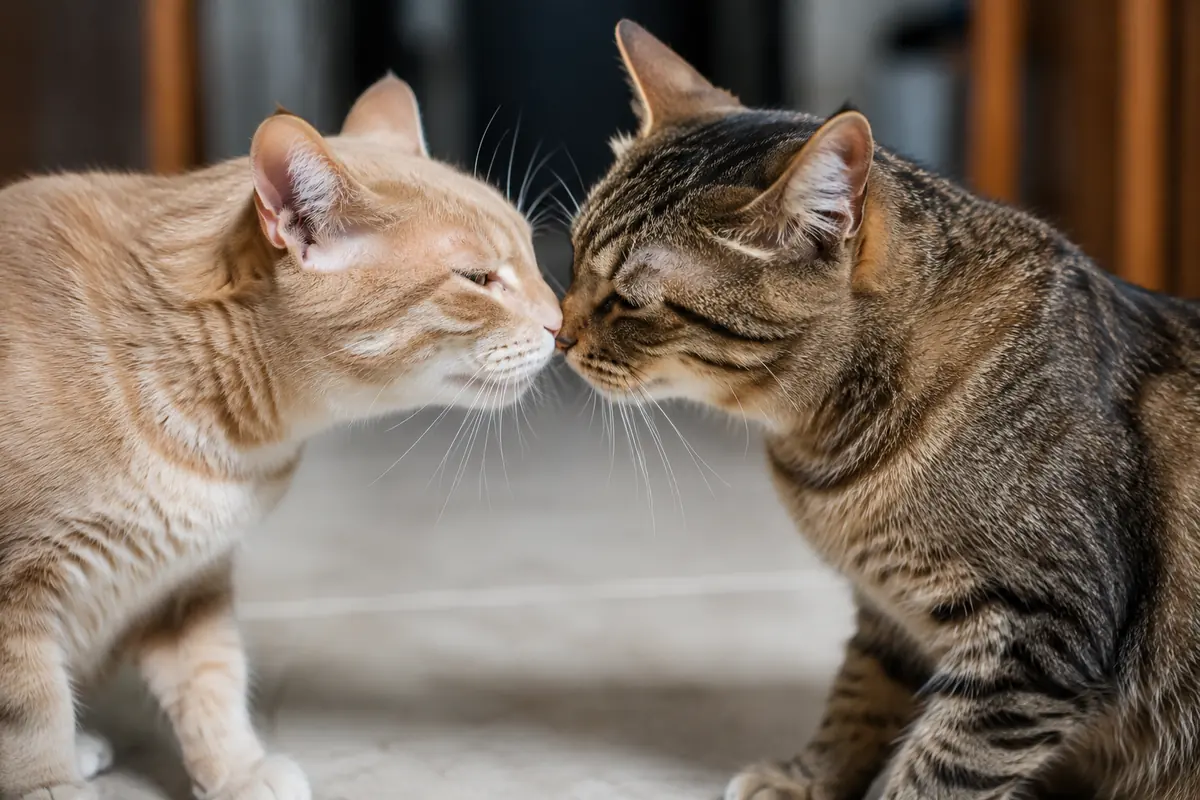
The virus spreads through the secretions of an infected cat: saliva, and discharge from the eyes and nose. A cat can pick it up through direct contact with an infected cat, through shared bowls, litter boxes, or bedding, or through contaminated hands and surfaces. Sneezing spreads infectious droplets into the immediate environment.
Primary infection most often happens in kittens and young cats, which is why crowded environments like shelters, catteries, and multi-cat homes see it so frequently. A queen can also pass it to her kittens. The good news is that the virus is fragile outside the body and is killed by routine household disinfectants, so it does not linger long on surfaces the way some viruses do.
Symptoms of Cat Herpes
Cat herpes shows up mainly as upper respiratory and eye disease. During an active infection or flare, watch for:
- Sneezing, often in bouts.
- Nasal congestion and discharge, ranging from clear and watery to thick and yellow-green.
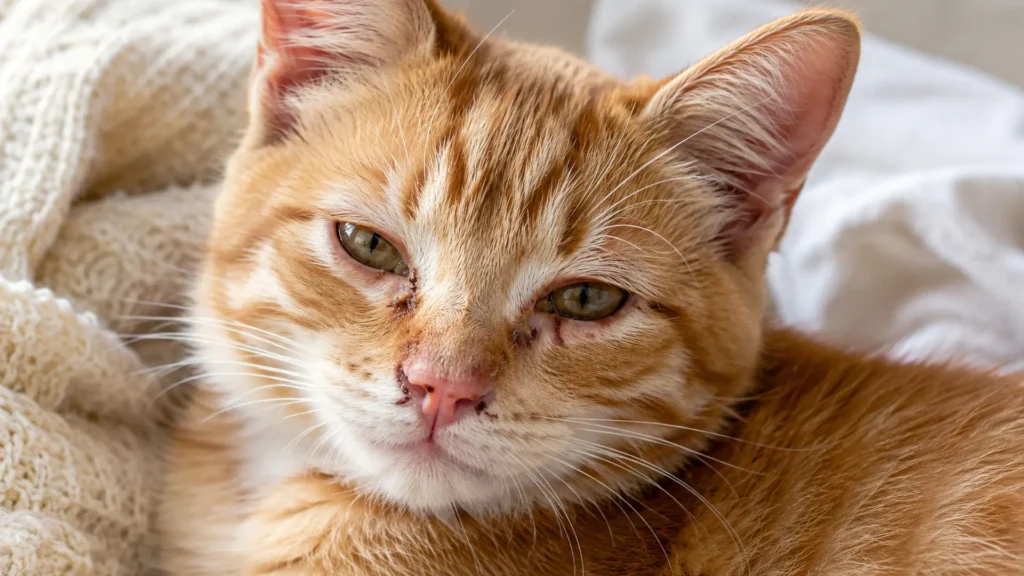
- Conjunctivitis, red, swollen, watery eyes.
- Squinting, excessive blinking, or holding an eye closed.
- Eye discharge, clear or pus-like.
- Fever, lethargy, and reduced appetite, especially in kittens.
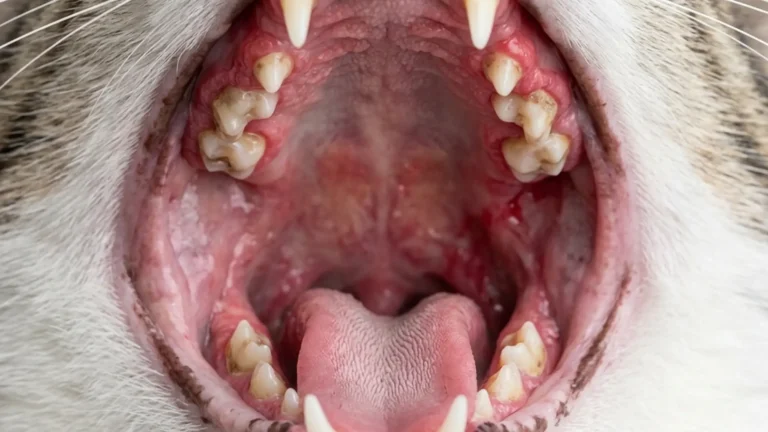
- Drooling or mouth ulcers in some cases.
Kittens tend to have the most severe first episodes, and a heavily congested kitten that cannot smell its food may stop eating, which is dangerous and needs prompt veterinary care. In adults, flare-ups are often milder and may amount to a few days of sneezing and a runny eye.
Why the Virus Stays for Life
Here is the core fact that explains everything else about cat herpes: after the first infection, the virus does not leave. It retreats into the cat’s nerve cells and goes dormant, a state called latency. As the Cornell Feline Health Center notes, the virus causes a lifelong infection in a large proportion of exposed cats, and many of them periodically shed the virus, usually when stressed.
Latency means your cat can look completely healthy for months or years, then have a flare-up when something disturbs the balance. During a flare, the cat is contagious to other cats again. This is why cat herpes is best thought of as a chronic, recurring condition you manage, much like cold sores in people, rather than an infection you cure once and forget.
What Triggers a Flare-Up
Flare-ups are usually driven by stress or anything that taxes the immune system. Common triggers include:
- Moving house, boarding, or travel.
- A new pet, a new baby, or other household changes.
- Other illnesses or surgery.
- Certain medications, particularly corticosteroids.
- Overcrowding or conflict between cats.
- Pregnancy and nursing in queens.
Recognizing your cat’s personal triggers is genuinely powerful, because it lets you anticipate flares and act early. A cat that always sneezes after a stressful vet stay, for example, gives you a clear pattern to plan around.
Reducing Stress: The Best Prevention You Have
Since stress reactivates the virus, lowering stress is the single most effective long-term management tool, and it is the lever most owner guides underplay. Practical steps that actually help:
- Keep routines steady; cats thrive on predictability in feeding and play.
- Provide enough resources in multi-cat homes: separate food and water stations, plenty of litter boxes, and vertical space so cats can avoid conflict.
- Use pheromone diffusers to create a calmer environment, especially during known stressors.
- Introduce changes gradually, whether a new pet, a move, or new furniture.
- Plan ahead for unavoidable stress like boarding, and ask your vet whether starting antiviral support around those times makes sense.
A calm cat flares less. It is that simple, and it costs little. Owners managing other chronic feline conditions, such as feline hyperthyroidism, already know that steady routines and reduced stress pay off, and the same principle applies here.
The Truth About Lysine Supplements
For years, L-lysine was the go-to home remedy for cat herpes, recommended widely and sold in every pet store. The theory was that lysine would crowd out arginine, an amino acid the virus needs to replicate. It made sense on paper. The problem is that the evidence does not support it.
A systematic review of the research concluded that lysine supplementation is not effective for preventing or treating FHV-1 infection in cats. Worse, the review found that excess lysine fails to lower arginine in cats the way the theory predicted, and some studies actually reported worse outcomes, including increased viral shedding and disease severity in supplemented cats. The authors recommended stopping lysine supplementation. This does not mean lysine is dangerous in normal amounts, but it does mean you should not rely on it as a treatment, and you should not feel guilty about skipping it. Talk to your veterinarian about treatments that are actually supported by evidence.
Evidence-Based Treatment
There is no cure that eliminates the virus, so treatment focuses on controlling flare-ups and supporting the cat. The VCA Hospitals overview of feline herpesvirus outlines the usual approach, which your vet tailors to severity.
For mild respiratory flares, supportive care is often enough: keeping the eyes and nose clean, using a humidifier or steamy bathroom to loosen congestion, and tempting the cat to eat with warmed, aromatic food. For more significant infections, veterinarians may prescribe an oral antiviral such as famciclovir, which has good evidence behind it. Eye involvement may need topical antiviral medications, and secondary bacterial infections are treated with appropriate antibiotics. Pain relief and anti-inflammatory care help in severe cases. The plan depends on whether the flare is mostly nasal, mostly ocular, or both, and on how sick the cat is. A cat that is not eating, that has a high fever, or that has a worsening eye should be seen promptly.
Eye Complications: When to Treat It as Urgent
The eyes are where cat herpes can do lasting harm, so this deserves its own warning. The virus can cause corneal ulcers, including a distinctive branching pattern called a dendritic ulcer that is almost unique to herpes. Left untreated, ulcers can deepen, scar the cornea, and in severe cases threaten vision or the eye itself.
Any cat that is squinting hard, holding an eye shut, pawing at the eye, or has a cloudy or visibly damaged cornea needs to be seen quickly. Do not use leftover eye medications or anything containing steroids on a herpes eye without veterinary direction, because steroids can make a corneal ulcer dramatically worse. When in doubt about an eye, call your vet the same day.
Managing a Multi-Cat Household
If you have several cats and one has herpes, the others have very likely been exposed too, since the virus is so common and spreads easily. During an active flare, sensible steps reduce transmission: isolate the symptomatic cat if practical, use separate food and water bowls, wash bedding, disinfect shared surfaces with routine household cleaners, and wash your hands between handling cats. Keep stress low across the whole group, because a stressed household means more flares all around.
Vaccination is the backbone of prevention. Core feline vaccines include protection against herpesvirus. The vaccine does not fully prevent infection, but it significantly reduces the severity of disease and the amount of virus a cat sheds, which protects the rest of your cats. Keep all your cats up to date, and ask your vet about the right schedule, especially in a multi-cat home. General health screening matters too, since a cat fighting another illness flares more easily; the same routine testing that catches problems like elevated protein in a cat’s urine helps keep your cats resilient overall.
How Cat Herpes Is Diagnosed
In many cases, a veterinarian diagnoses cat herpes on the strength of the clinical picture alone: a young or stressed cat with classic sneezing, eye discharge, and conjunctivitis usually does not need confirmatory testing to begin treatment. The history matters as much as the exam, especially a pattern of recurring flare-ups tied to stressful events, which is highly suggestive of a latent herpesvirus infection reactivating.
When confirmation is needed, or when a flare is severe or unusual, testing helps. A fluorescein stain placed on the eye highlights corneal ulcers, including the branching dendritic ulcers that point strongly toward herpes. PCR testing on a swab from the eyes, nose, or throat can detect viral DNA and is the most sensitive method, though a positive result needs interpretation, because a cat can carry the virus latently without that being the cause of the current signs. Your vet weighs the test against the clinical picture rather than treating a result in isolation. In multi-cat or shelter settings, broader respiratory panels can identify whether other pathogens, such as calicivirus or bacteria, are involved alongside herpes, which changes the treatment plan.
The practical message for owners is that you do not always need an expensive workup to get your cat help. A vet who knows the pattern can often start supportive care right away, reserving testing for the cases where it will actually change what is done. If your cat is being treated and not improving as expected, that is exactly when testing earns its keep.
Caring for a Cat During a Flare at Home
Once your veterinarian has set a plan, much of the day-to-day care during a flare happens at home, and doing it well shortens the episode and keeps your cat comfortable. Gently wipe away eye and nose discharge with a soft, damp cloth several times a day, using a clean section each time so you are not moving secretions from one eye to the other. A congested cat relies heavily on smell to want to eat, so warm the food slightly and offer strongly aromatic options to keep its appetite up; a cat that stops eating during a flare can slide into more serious trouble quickly.
Humidity helps loosen congestion, so letting your cat sit with you in a steamy bathroom for ten or fifteen minutes a couple of times a day can ease breathing, as can running a humidifier in the room where it rests. Keep the environment quiet and warm, and minimize any additional stress while your cat recovers, since stress is what fueled the flare in the first place. Give all prescribed medications exactly as directed and finish the course even if your cat looks better, particularly any eye medications, because stopping early can let a corneal problem rebound.
Keep a simple log of flares: when they happened, what seemed to trigger them, and what helped. Over time this record becomes one of your most useful tools, helping you and your vet spot patterns, head off predictable flares, and judge whether the overall frequency is creeping up in a way that warrants a change in management. Most flares settle within a week to ten days with attentive home care, and the calmer and more consistent you keep things, the smoother that recovery tends to go.
Frequently Asked Questions
Can humans catch cat herpes?
No. Feline herpesvirus type 1 is species-specific and infects only cats. You cannot catch it from your cat, and it is unrelated to the herpes viruses that affect people.
Is cat herpes curable?
No, there is no cure that removes the virus. After the first infection it stays for life in a dormant state, but flare-ups are manageable and most cats live normal, comfortable lives with occasional treatment.
Does L-lysine help cats with herpes?
Current evidence says no. A systematic review found lysine ineffective for preventing or treating FHV-1, and some studies suggested it could even worsen outcomes. Focus on evidence-based care and stress reduction instead.
How do I know if my cat is having a flare-up?
Look for the return of sneezing, nasal or eye discharge, squinting, red eyes, or reduced appetite, often after a stressful event. Tracking your cat’s triggers helps you catch and treat flares early.
Will my other cats get it?
They may already be exposed, since the virus is very common. During a flare, separate bowls, clean bedding, isolate the sick cat if you can, and keep everyone vaccinated to reduce severity and spread.
When is a herpes flare-up an emergency?
Treat it as urgent if your cat stops eating, has a high fever, becomes very lethargic, or shows serious eye signs like hard squinting, a cloudy cornea, or pawing at the eye. Eye complications can threaten vision and need prompt care.
Bottom Line
Cat herpes is common, lifelong, and almost always manageable. The virus stays dormant and flares under stress, so your best tools are a calm, stable home, prompt treatment of flare-ups, vigilance about eye symptoms, and vaccination to limit severity. Skip the lysine and lean on evidence-based care from your veterinarian instead. With a little attention to triggers, most cats with herpes live full and comfortable lives. A diagnosis can feel daunting at first, but in practice it usually settles into a quiet routine of good husbandry punctuated by the occasional mild flare you already know how to handle. If a flare ever looks worse than usual, involves the eyes, or comes with a loss of appetite, lean on your vet rather than waiting it out. This article is general guidance and does not replace advice from your own veterinarian, who can examine your cat and tailor a plan to its needs.