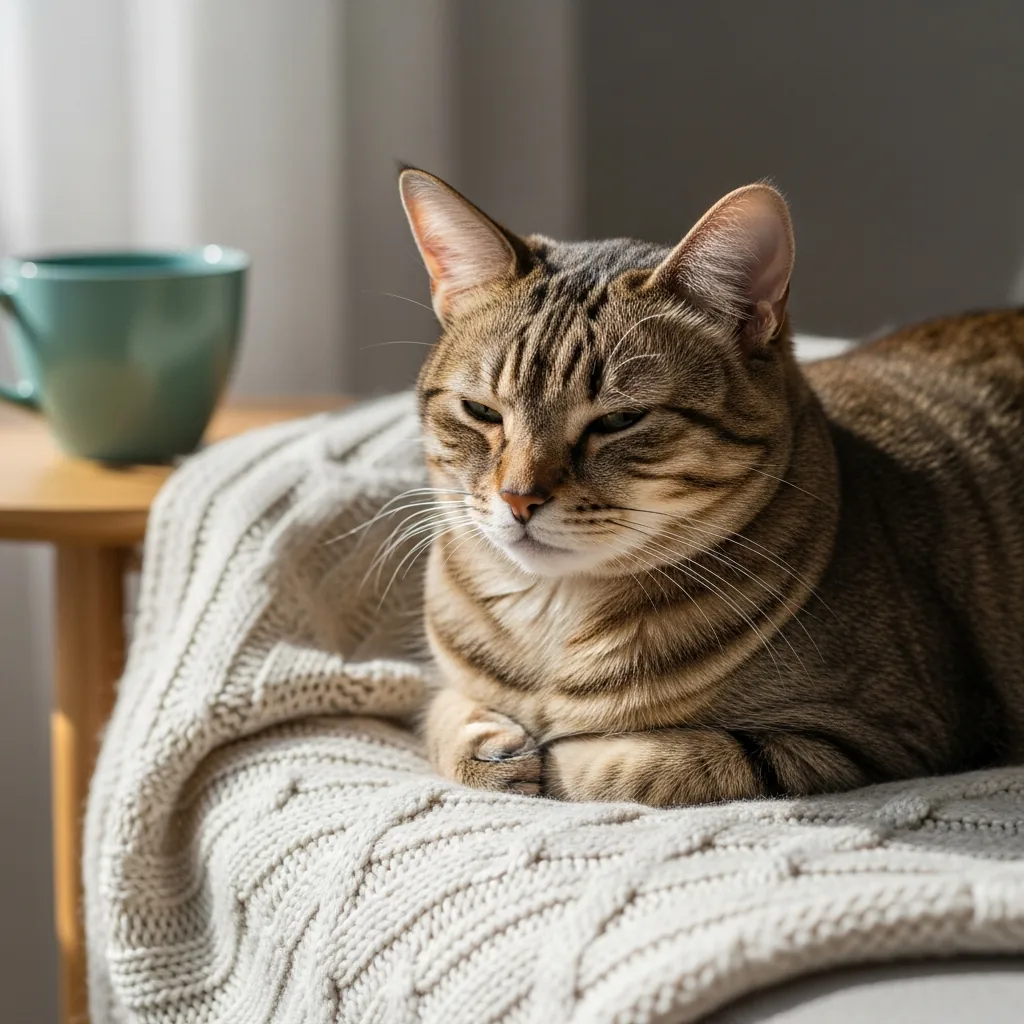
What is Portal Vein Hypertension in Cats (heart inflammation in cats)?
TL;DR: Portal vein hypertension in cats occurs when blood pressure within the portal vein, which carries blood from the digestive organs to the liver for filtering, becomes abnormally high, often exceeding 10 mm Hg. This condition can arise from increased blood flow into the portal system or increased resistance to blood flow within or exiting the liver. Signs can range from subtle behavioral changes and lethargy to more severe issues like abdominal swelling, jaundice, and neurological signs. Prompt veterinary diagnosis and management are essential to address underlying causes and prevent serious complications. Recognizing specific warning signs is key to ensuring your cat receives timely care.
Understanding portal vein hypertension in cats is crucial for owners whose pets may experience this complex condition affecting blood flow to the liver. This guide, written from the perspective of an owner who has navigated similar health challenges with her own cat, breaks down what portal vein hypertension is, its potential causes, and the critical signs that warrant a veterinary visit. We will cover observable symptoms, diagnostic approaches used by veterinarians, and what to expect during treatment and recovery, drawing on established veterinary knowledge.
While this article aims to be a complete resource, it is essential to remember that it does not replace professional veterinary advice. Diagnosing and treating portal vein hypertension requires the expertise of a qualified veterinarian. This content is for informational purposes only and is not intended to diagnose or treat any medical condition.
We will explore the anatomy of the portal system, differentiate between systemic hypertension and portal hypertension, and discuss the implications of this condition for your cat’s overall health. Our focus remains on empowering owners with knowledge to better partner with their veterinary team.
Why Understanding Portal Vein Hypertension Matters for Your Cat
As a cat owner, learning about conditions like portal vein hypertension can feel overwhelming, but knowledge is your most powerful tool in advocating for your cat’s health. The portal vein system acts as a critical intermediary, directing blood from the intestines, spleen, and pancreas to the liver for detoxification and nutrient processing before it enters the general circulation. When pressure within this system improve, it disrupts this vital filtering process, potentially leading to a cascade of serious health problems.
Portal hypertension can result from various underlying issues, including congenital abnormalities like portosystemic shunts (where blood bypasses the liver), liver disease, or even certain heart conditions that affect blood return. The consequences can be severe, impacting organ function and overall well-being. According to the Merck Vet Manual, increased pressure can lead to the accumulation of toxins in the bloodstream, affecting the brain (hepatic encephalopathy), and can also cause fluid to build up in the abdomen (ascites).
Recognizing the subtle and overt signs of portal hypertension allows you to seek veterinary attention sooner. Early intervention, guided by veterinary diagnostics, can significantly improve your cat’s prognosis and quality of life. This understanding empowers you to provide the best possible care and support your cat through diagnosis and treatment.
When to Monitor and When to Call Your Vet
Navigating your cat’s health requires knowing when to observe symptoms at home and when immediate veterinary intervention is necessary. Portal vein hypertension can present with a range of signs, some of which may seem minor initially but can escalate quickly. The key is to be observant and to understand the thresholds that indicate a potential emergency.
Wait and watch:
- Mild lethargy or decreased activity levels noticed for less than 24 hours.
- Slightly reduced appetite, where your cat still eats some food but less than usual.
- Occasional, non-bloody vomiting that resolves on its own within a few hours.
- Minor changes in drinking habits, such as drinking slightly more water than usual.
- Subtle behavioral shifts, like hiding more often or seeming less interactive.
- A slightly softer or more rounded abdomen that is not painful to the touch.
Call your vet now:
- Sudden onset of severe lethargy or collapse, lasting more than a few hours.
- Vomiting that is persistent (more than 3 episodes in 24 hours), contains blood, or is accompanied by diarrhea.
- Visible blood in the stool or urine, or very dark, tarry stools.
- Significant abdominal distention (bloating) that appears rapidly or causes discomfort.
- Jaundice (yellowing of the skin, gums, or whites of the eyes) is a critical sign.
- Disorientation, confusion, seizures, or other neurological signs indicating hepatic encephalopathy.
- Difficulty breathing or rapid breathing (respiratory rate consistently over 40 breaths per minute at rest).
- Complete loss of appetite for more than 24 hours.
The ASPCA Animal Poison Control Center and other veterinary resources emphasize that rapid changes in behavior or physical condition often signal an urgent need for professional assessment. It is always better to err on the side of caution when your cat’s health is concerned. If you observe any of the ‘call your vet now’ signs, do not delay in seeking immediate veterinary care.
Steps for Owners When Portal Vein Hypertension is Suspected
- Observe and Document Symptoms: Carefully note any changes in your cat’s behavior, appetite, thirst, urination, and elimination patterns. Record the onset, frequency, and severity of symptoms. This detailed log is invaluable for your veterinarian. For instance, document if your cat is hiding more than usual for over 48 hours or if their water intake has doubled over a 24-hour period.
- Review Your Cat’s Diet and Routine: Consider any recent changes in food, treats, or household environment that could be relevant. Note if your cat has had access to anything unusual. This step helps rule out dietary indiscretions or environmental stressors that might mimic or exacerbate symptoms.
- Prepare for a Veterinary Visit: Gather all your notes on symptoms, your cat’s vaccination history, any current medications, and previous health records. If you suspect portal vein hypertension, be prepared to discuss your cat’s history thoroughly with the vet, including the duration and progression of symptoms.
- Schedule a Veterinary Appointment Promptly: Based on the severity of symptoms, contact your veterinarian. For mild, non-progressive signs, schedule a regular appointment. For critical signs like severe lethargy, vomiting, jaundice, or neurological changes, seek emergency veterinary care immediately. The American Veterinary Medical Association (AVMA) highlights the importance of timely diagnosis for conditions affecting organ systems.
- Follow Veterinary Diagnostic Recommendations: Your vet will likely recommend a series of diagnostic tests, which may include blood work (CBC, chemistry panel), urinalysis, bile acid testing, imaging (X-rays, ultrasound), and possibly cardiac evaluation. Cooperate fully with these recommendations to achieve an accurate diagnosis.
- Administer Prescribed Treatments Diligently: Once a diagnosis is confirmed, adhere strictly to the treatment plan provided by your veterinarian. This may involve medications, dietary adjustments, or fluid therapy. Ensure you understand the dosage, frequency, and purpose of all prescribed treatments.
- Monitor Recovery and Attend Follow-ups: After treatment begins, continue to monitor your cat closely for improvement or any new concerns. Attend all scheduled follow-up appointments to allow your veterinarian to assess progress and make any necessary adjustments to the treatment plan. This collaborative approach is key to long-term management.
Debunking Myths About Portal Vein Hypertension in Cats
Myth: Portal vein hypertension is the same as high blood pressure in general (systemic hypertension).
Reality: While both involve improve pressure, they affect different systems. Systemic hypertension is improve blood pressure throughout the entire body’s circulatory system, often impacting the heart, kidneys, and eyes. Portal vein hypertension specifically refers to high pressure within the portal venous system, which carries blood from the digestive organs to the liver. As noted by the International Cat Care, systemic hypertension is more common and has distinct causes and treatments, though conditions can sometimes overlap or influence each other.
Myth: Only older cats develop portal vein hypertension.
Reality: While some underlying causes, like liver or heart disease, are more prevalent in senior cats, portal vein hypertension can also occur in younger cats due to congenital portosystemic shunts (PSS) or other developmental issues. Congenital conditions are present from birth and can manifest at any age, sometimes even in kittens. Therefore, age alone is not a definitive factor.
Myth: Jaundice (yellowing) is always a sign of liver failure.
Reality: Jaundice is a symptom that can indicate liver dysfunction, but it’s not exclusive to liver failure. In the context of portal vein hypertension, jaundice can arise from the liver’s inability to process bilirubin effectively due to impaired blood flow or underlying liver disease. However, it can also be associated with other conditions affecting red blood cells or bile ducts, making veterinary investigation essential to pinpoint the exact cause.
Myth: Dietary changes can cure portal vein hypertension.
Reality: While dietary management is a crucial part of treating portal vein hypertension, especially for conditions like hepatic encephalopathy or ascites, it is rarely a cure on its own. Diet modifications, often involving protein restriction or specific supplements, are designed to support liver function, reduce toxin buildup, and manage fluid balance under veterinary guidance. They are a supportive therapy, not a standalone cure, as outlined by the Merck Vet Manual.
Key Observations for Owners: What to Track
Detailed observation is critical when you suspect your cat might be experiencing portal vein hypertension or a related condition. Your veterinarian relies on accurate information to diagnose and manage your cat’s health effectively. Here’s a checklist of what to monitor:
- Appetite Changes: Note any decrease or increase in food intake. Is your cat finishing meals? Are they showing less interest in food?
- Water Consumption: Track how much your cat is drinking. A significant, sustained increase in thirst (polydipsia) requires attention.
- Urination Frequency and Volume: Observe if your cat is urinating more often or producing larger volumes of urine.
- Vomiting and Diarrhea: Record the frequency, duration, consistency, and presence of blood in vomit or stool.
- Lethargy and Activity Level: Note any decrease in playfulness, increased sleeping, or reluctance to move. Compare current activity to your cat’s normal baseline.
- Abdominal Appearance: Gently observe your cat’s abdomen for any signs of swelling or distention. Note if it appears larger than usual or feels tight.
- Behavioral Changes: Look for signs of disorientation, confusion, apparent weakness, or unresponsiveness. Note any unusual vocalizations or hiding behaviors.
- Jaundice: Check your cat’s gums, inner eyelids, and skin (if visible) for any yellowing. This is a serious sign requiring immediate veterinary attention.
- Breathing Rate: If your cat seems unwell, gently observe their resting respiratory rate. More than 40 breaths per minute can be concerning.
- Gastrointestinal Signs: Note any signs of abdominal pain, such as a hunched posture or reluctance to be touched on the belly.
The CDC emphasizes the importance of monitoring vital signs and health indicators for chronic conditions, and this principle extends to our feline companions.
Frequently Asked Questions About Portal Vein Hypertension
What is the difference between portal hypertension and systemic hypertension in cats?
Portal hypertension specifically concerns improve pressure within the portal vein system, which directs blood from the digestive tract to the liver for filtration. Systemic hypertension, on the other hand, is high blood pressure throughout the entire body’s circulatory system, affecting arteries and potentially damaging organs like the kidneys, eyes, and brain. While distinct, they can sometimes coexist or one can influence the other.
Can portal hypertension be congenital in cats?
Yes, portal hypertension can stem from congenital conditions, most notably portosystemic shunts (PSS). These are abnormal blood vessels that allow blood to bypass the liver partially or entirely. PSS can be present from birth and require veterinary diagnosis and often surgical or medical intervention to manage effectively.
What are the diagnostic methods veterinarians use for portal vein hypertension?
Veterinarians typically employ a combination of diagnostic tools. This includes a thorough physical examination, blood tests (such as a complete blood count, chemistry panel, and bile acid assay), urinalysis, and advanced imaging like abdominal ultrasound or echocardiography to visualize blood flow and organ structure. Specialized tests like portovenography might be used to confirm shunting. The PetMD database notes that a complete diagnostic approach is essential.
How is portal hypertension treated in cats?
Treatment depends heavily on the underlying cause. For congenital shunts, surgery may be an option. Medical management often involves medications to manage symptoms, such as diuretics for fluid buildup (ascites) or lactulose and specific diets to control hepatic encephalopathy. Supporting liver function and managing blood pressure are key goals. The Merck Vet Manual provides detailed treatment strategies.
What is hepatic encephalopathy and how does it relate to portal vein hypertension?
Hepatic encephalopathy is a neurological condition caused by the buildup of toxins (like ammonia) in the bloodstream that are normally filtered by the liver. When portal hypertension impairs liver function or allows blood to bypass the liver, these toxins can reach the brain, leading to symptoms such as disorientation, seizures, tremors, or behavioral changes. It is a serious complication requiring prompt veterinary care.
Can diet help manage portal vein hypertension in cats?
Diet plays a significant supportive role. For cats with hepatic encephalopathy, a diet may be formulated with controlled protein levels to reduce toxin production. For ascites, a low-sodium diet can help manage fluid retention. Your veterinarian will recommend specific dietary adjustments based on your cat’s individual condition and needs, often recommending therapeutic diets designed for liver support.
Partnering with Your Veterinarian for Your Cat’s Health
Understanding portal vein hypertension empowers you as a cat owner to recognize potential issues and communicate effectively with your veterinary team. While the information here provides a foundation, it is crucial to remember that every cat is unique. Your veterinarian is the best resource for diagnosing your cat’s specific condition, recommending appropriate diagnostic tests, and formulating a treatment plan tailored to their needs.
If you notice any concerning symptoms in your cat, especially those listed as urgent, do not hesitate to seek professional veterinary care. Early detection and consistent management, in partnership with your vet, offer the best chance for your cat to maintain a good quality of life despite this complex health challenge.
- Sudden severe lethargy or collapse
- Persistent vomiting (3+ episodes in 24h) or vomiting blood
- Visible blood in stool or very dark, tarry stools
- Rapidly developing abdominal distention
- Yellowing of gums or eyes (jaundice)
- Disorientation, seizures, or extreme confusion