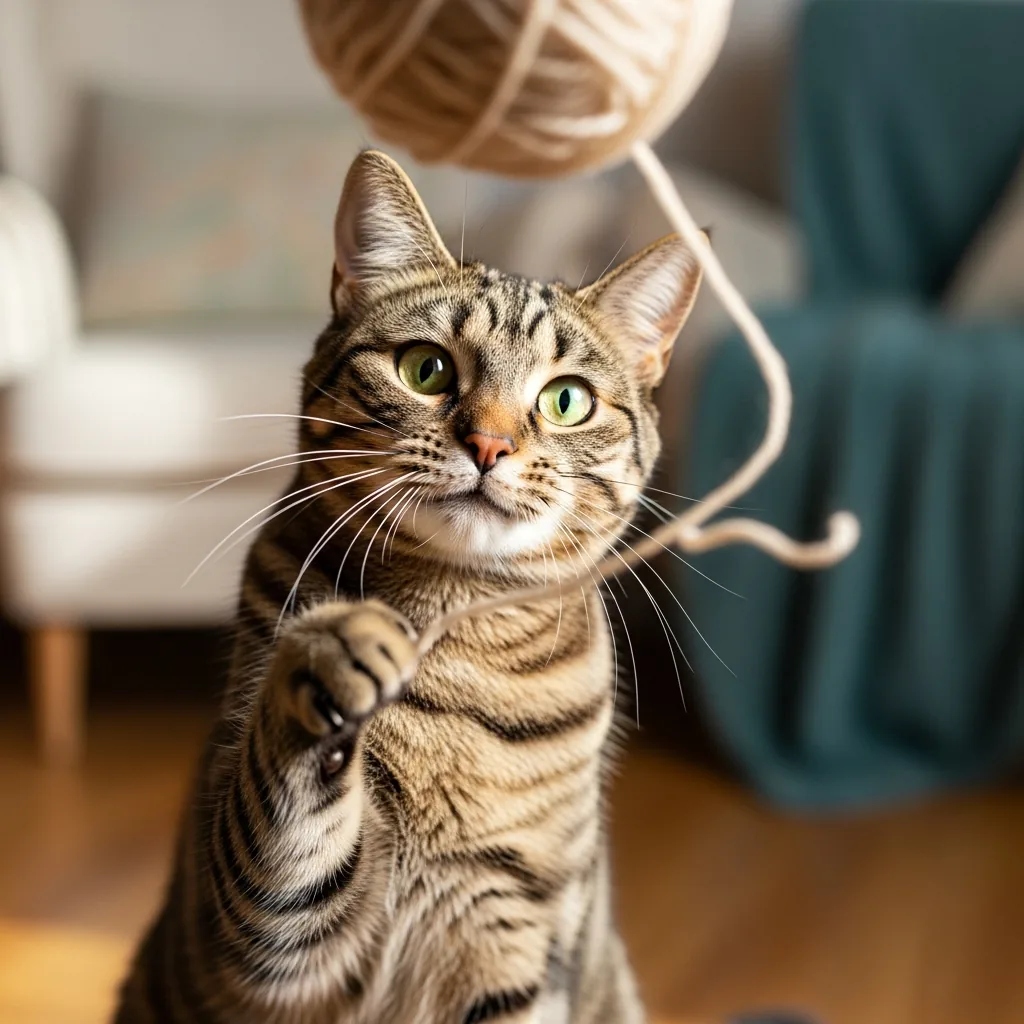
Quick Answers About Pica in Cats
In brief: Pica in cats refers to the compulsive eating or chewing of non-food items like plastic, fabric, or soil, often signaling an underlying medical or behavioral issue. Common causes include nutritional deficiencies, gastrointestinal parasites, endocrine diseases (like hyperthyroidism), anemia, stress, boredom, or anxiety. Symptoms can include vomiting, constipation, lethargy, or signs of intestinal blockage. If your cat shows persistent pica, especially with other concerning symptoms, a veterinarian visit is essential to rule out serious health problems and determine the appropriate treatment plan, which may involve dietary changes, medication, or environmental enrichment.
Pica in cats is the persistent ingestion of non-food items, a behavior that can range from puzzling to dangerous. As an owner who’s navigated complex feline health issues, I understand the anxiety this causes. This guide, drawing on veterinary expertise, will explore the potential reasons behind pica in cats, including medical and behavioral factors, and offer clear guidance on when to monitor the situation and when immediate veterinary intervention is crucial.
We’ll cover common misconceptions, provide a practical checklist for tracking symptoms, and detail steps you can take at home. Remember, this information is for educational purposes and does not replace a professional veterinary diagnosis or treatment plan
Understanding pica in cats is the first step toward ensuring your feline companion’s safety and well-being. Our goal is to empower you with knowledge from trusted sources like the Cornell Feline Health Center and the Merck Veterinary Manual.
Why Understanding Pica in Cats is Crucial for Owners
As a cat owner, encountering your feline friend ingesting non-food items can be deeply unsettling. Pica in cats isn’t just a quirky habit; it’s a symptom that warrants attention. The materials cats with pica consume-ranging from string and plastic to dirt and wool-can cause significant gastrointestinal distress. These items may lead to painful constipation, vomiting, or even life-threatening intestinal blockages requiring emergency surgery. The American Society for the Prevention of Cruelty to Animals (ASPCA) Animal Poison Control Center frequently fields calls about cats ingesting dangerous objects, showing the real risks involved.
Beyond immediate physical dangers, pica in cats can also point to underlying health conditions that need prompt veterinary care. Conditions like anemia, nutritional deficiencies, or endocrine disorders such as hyperthyroidism can manifest as this unusual eating behavior. Ignoring pica means potentially overlooking a treatable disease, allowing it to progress. Furthermore, persistent pica can strain the bond between you and your cat, leading to frustration and anxiety for both parties. Recognizing and addressing pica in cats is therefore vital for their immediate safety, long-term health, and overall quality of life.
When to Wait and Watch vs. Call Your Vet Now for Pica in Cats
Deciding whether pica in cats requires immediate veterinary attention or can be monitored at home is critical. While some instances might stem from temporary stress or curiosity, others signal serious health concerns that demand swift action. Always consult your veterinarian if you are unsure, but here’s a general guide:
Wait and watch:
- Occasional, brief interest in non-food items: Your cat briefly mouths or plays with a non-food item but doesn’t ingest it, and returns to normal behavior quickly.
- Mild, isolated chewing on safe textures: Your cat might mildly chew on a specific, harmless texture (like a soft blanket corner) without swallowing any material, and shows no other signs of illness.
- Apparent boredom without other symptoms: The behavior seems linked to a lack of environmental stimulation, and your cat is otherwise eating normally, alert, and has regular bowel movements.
- Mild environmental stress response: A recent change in the household (new pet, new furniture) seems to correlate with a brief increase in chewing, which resolves as the cat adjusts.
Call your vet now:
- Persistent ingestion of non-food items: Your cat is regularly swallowing indigestible materials, especially more than once a day or over 24 hours.
- Vomiting or diarrhea lasting longer than 24 hours: Especially if accompanied by the ingestion of foreign objects.
- Signs of intestinal blockage: Including repeated unproductive retching, severe lethargy, abdominal pain (cat may cry when touched or posture hunched), or a distended abdomen.
- Blood in stool or vomit: This indicates significant irritation or damage to the gastrointestinal tract.
- Lethargy or weakness: Your cat is unusually tired, unresponsive, or weak, suggesting a systemic illness or severe anemia.
- Straining to defecate or absence of stool for over 48 hours: This is a strong indicator of constipation or a blockage.
For specific medical conditions that can cause pica in cats, like anemia, the Merck Veterinary Manual notes that symptoms can vary widely, noting the need for professional diagnosis. If you observe any of these red flags, contact your veterinarian immediately. Early intervention is key to preventing severe complications.
Step-by-Step Guide: Managing Pica in Cats at Home
- Consult Your Veterinarian First: Before implementing any home management strategies for pica in cats, schedule a thorough veterinary examination. This is crucial to rule out or diagnose underlying medical conditions such as parasites, anemia, hyperthyroidism, or gastrointestinal issues. Your vet will perform a physical exam, possibly blood work, fecal tests, and imaging. This step is non-negotiable for your cat’s safety.
- Address Potential Nutritional Deficiencies: If your vet suspects a nutritional imbalance, they may recommend a diet change. This could involve switching to a high-quality, balanced commercial cat food or a specific therapeutic diet. Ensure your cat is receiving adequate fiber and essential nutrients. Avoid making drastic diet changes without veterinary guidance, as this can cause other digestive problems.
- Environmental Enrichment and Stress Reduction: Combat boredom and anxiety, common triggers for pica in cats, by enhancing your cat’s environment. Provide several engaging toys, puzzle feeders, climbing structures (cat trees, shelves), and scratching posts. Rotate toys regularly to maintain interest. Consider interactive play sessions for at least 15-20 minutes daily. Reducing household stressors, such as loud noises, conflicts with other pets, or sudden changes, is also important.
- Secure and Remove Inedible Items: Thoroughly cat-proof your home. Store small objects, plastic bags, rubber bands, strings, and toxic plants out of reach. Ensure laundry is put away and electrical cords are covered or inaccessible. If your cat has a particular fixation on certain items (e.g., wool blankets), try to make the target items less accessible.
- Behavioral Modification Techniques: If pica is linked to compulsive or anxiety-driven behaviors, your vet might suggest working with a certified feline behaviorist. Techniques can include positive reinforcement for desired behaviors and redirection away from pica. For cats with severe anxiety, your veterinarian may prescribe anti-anxiety medications or supplements. Always follow your vet’s prescribed dosage and schedule.
- Monitor and Record Symptoms: Keep a detailed log of your cat’s pica episodes. Note the type of item ingested, the frequency, duration, and any accompanying symptoms like vomiting, diarrhea, constipation, or changes in appetite and energy levels. This information is invaluable for your veterinarian in tracking progress and adjusting treatment plans.
Common Misconceptions About Pica in Cats
Myth: Pica in cats is just a behavioral quirk or attention-seeking behavior that owners can ignore.
Reality: While stress and boredom can contribute, pica in cats often indicates an underlying medical issue. The Merck Veterinary Manual lists conditions like anemia, gastrointestinal parasites, and endocrine disorders as potential causes. Ingesting non-food items can lead to severe gastrointestinal problems, including blockages, which are life-threatening. Ignoring pica can delay critical diagnosis and treatment of these serious health conditions.
Myth: Cats with pica must be suffering from a nutritional deficiency, so a diet change is the only solution.
Reality: Nutritional deficiencies can be a cause, but they are not the only one. Pica in cats can also stem from medical conditions unrelated to diet, such as hyperthyroidism, kidney disease, or even certain infections. Behavioral factors like anxiety, stress, or obsessive-compulsive disorder also play a significant role. A complete veterinary workup is essential to identify the true cause before implementing dietary changes alone.
Myth: If my cat eats something non-food, it will likely pass through their system without issue.
Reality: This is a dangerous assumption. Non-food items, especially string, plastic, or large pieces of fabric, can easily cause gastrointestinal obstruction. This blockage prevents food from passing, leading to severe vomiting, dehydration, pain, and potential perforation of the intestinal wall. The ASPCA Animal Poison Control Center warns that ingested foreign bodies are a common cause of emergency veterinary visits for cats.
Myth: Pica only affects kittens or young cats and stops as they mature.
Reality: While some causes, like early weaning or developmental issues, are more common in younger cats, pica can affect felines at any age. Older cats may develop pica due to age-related illnesses, such as kidney disease, hyperthyroidism, or cognitive dysfunction, which can alter their behavior and eating habits. Continuous monitoring is important throughout a cat’s life.
What to Track for Pica in Cats
Accurate observation is key when dealing with pica in cats. Providing your veterinarian with detailed information will help them diagnose and treat the condition effectively. Keep a log of the following:
- Type of item ingested: Be specific (e.g., wool yarn, plastic bag fragment, houseplant leaf, paper).
- Frequency of ingestion: How often does the behavior occur daily or weekly?
- Duration of episodes: How long does your cat spend chewing or attempting to swallow the item?
- Vomiting or regurgitation: Note if it occurs after attempting to ingest, and what is expelled.
- Bowel movements: Track frequency, consistency (hard, soft, normal), and presence of blood or mucus. Note any straining.
- Appetite and water intake: Has your cat’s appetite increased, decreased, or stayed the same? Monitor water consumption.
- Energy levels and behavior: Is your cat lethargic, hiding, restless, or showing other unusual behaviors?
- Weight changes: Significant weight loss or gain can be an indicator of underlying issues.
- Dental health: Check for any abnormalities or pain in the mouth that might contribute to chewing behaviors.
- Changes in environment or routine: Note any recent stressors or significant changes in the household.
Frequently Asked Questions About Pica in Cats
Can stress cause pica in cats?
Yes, stress and anxiety are significant contributors to pica in cats. Changes in routine, new pets or people, loud noises, or a lack of environmental stimulation can trigger compulsive behaviors like chewing or ingesting non-food items as a coping mechanism.
Is pica in cats a sign of tapeworms?
While intestinal parasites like tapeworms can contribute to pica in cats by causing nutrient deficiencies or irritation, they are not the sole cause. Tapeworms can lead to malnutrition, which might prompt a cat to seek nutrients elsewhere. However, other parasites and numerous medical conditions also cause pica. A fecal exam by your vet is needed to diagnose parasites.
What non-food items do cats with pica typically eat?
Cats exhibiting pica may ingest a wide variety of non-food items. Common culprits include string, yarn, plastic wrappers, rubber bands, paper, cardboard, houseplants, dirt, rocks, and fabric. The specific item often depends on what is accessible and what texture or scent attracts the cat.
How do veterinarians diagnose pica in cats?
Veterinarians diagnose pica in cats through a process of elimination. This involves a thorough physical examination, detailed history from the owner, blood work to check for anemia or organ dysfunction, fecal analysis for parasites, and potentially imaging such as X-rays or ultrasound to detect ingested foreign objects or gastrointestinal abnormalities.
Can pica in cats be cured?
The ability to ‘cure’ pica in cats depends heavily on its underlying cause. If pica is caused by a treatable medical condition like anemia or a parasitic infection, resolving that condition may resolve the pica. For behavioral pica, management through environmental enrichment, stress reduction, and sometimes medication can significantly reduce or eliminate the behavior, though it may require ongoing management.
Are certain cat breeds more prone to pica?
Some reports suggest certain breeds, like Siamese and Burmese cats, may have a higher genetic predisposition to pica or obsessive behaviors. However, pica can occur in any cat, regardless of breed, and is often linked to environmental factors, medical conditions, or individual personality rather than breed alone.
Conclusion: Managing Pica in Cats
Pica in cats presents a complex challenge for owners, often requiring a multi-faceted approach. Understanding the potential medical and behavioral roots is the first step. By carefully observing and tracking your cat’s symptoms, and by partnering with your veterinarian, you can work towards a diagnosis and effective management plan. Remember that consistent veterinary follow-up is crucial, especially if medical conditions are involved or if behavioral modification is the primary strategy. Your diligence in seeking professional advice and implementing recommended treatments is vital for your cat’s health and well-being.
- Persistent ingestion of non-food items.
- Vomiting or diarrhea lasting over 24 hours.
- Signs of intestinal blockage (severe retching, pain, distended abdomen).
- Blood in vomit or stool.
- Extreme lethargy or weakness.
- Straining to defecate or no stool for over 48 hours.