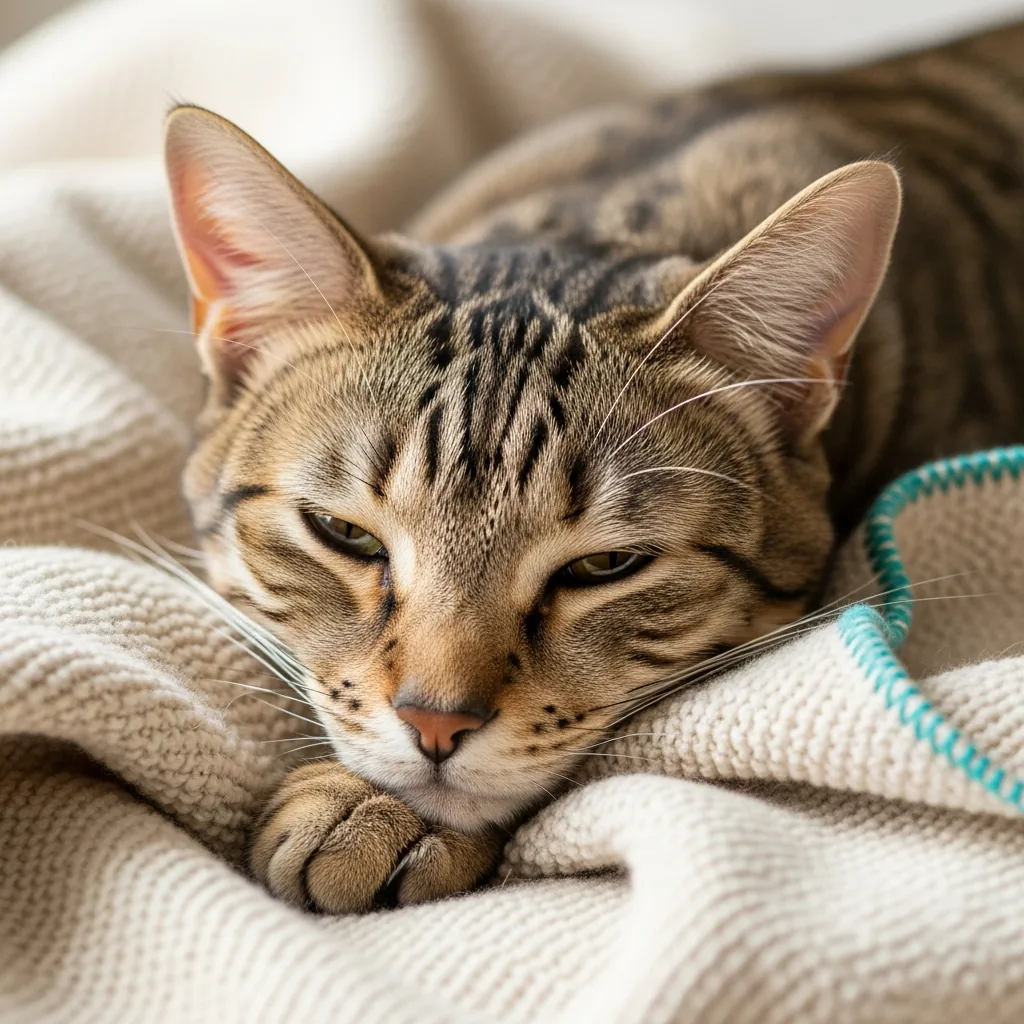
Quick Overview of Heart Inflammation in Cats
Quick version: Heart inflammation in cats, or myocarditis, is a serious condition where the heart muscle becomes inflamed, often due to infections, toxins, or immune reactions. Symptoms can range from subtle changes like lethargy to severe signs of heart failure, including difficulty breathing and pale gums. Recognizing these signs is vital; while some mild cases might allow for observation, acute or severe symptoms necessitate immediate veterinary care. Early detection and prompt treatment significantly influence a cat’s prognosis, making owner vigilance critical.
Recognizing heart inflammation in cats, also known as myocarditis, is crucial for early intervention and better outcomes. This condition involves inflammation of the heart’s muscular tissue, potentially impacting its ability to pump blood effectively. As a cat owner who’s navigated complex feline health issues, I understand the anxiety this can bring. This guide, drawing on veterinary expertise, will help you identify potential signs, understand causes, and know when to seek immediate veterinary attention.
We’ll cover what heart inflammation in cats entails, differentiating between mild and severe symptoms, and outlining actionable steps you can take. It’s vital to remember that this information is for educational purposes and never replaces a diagnosis or treatment plan from your veterinarian.
This article focuses on understanding myocarditis in felines, offering owner-centric insights based on authoritative veterinary sources. We do not provide treatment protocols or diagnoses; always consult your veterinarian for your cat’s specific health needs.
Why Understanding Heart Inflammation in Cats Matters
As a cat owner who has navigated chronic illness with my own feline companion, I know firsthand how terrifying it can be to suspect something is seriously wrong with your cat’s heart. Heart inflammation in cats, or myocarditis, is one such condition that demands owner attention. It’s not a common diagnosis, but its potential severity means we can’t afford to ignore the signs. The Cornell Feline Health Center notes that while some heart conditions in cats are genetic, many are acquired, and inflammation can be a significant factor in their development.
Understanding myocarditis is important because cats are masters at hiding illness. By the time they show obvious symptoms, the condition may already be advanced. Early recognition allows for quicker veterinary intervention, which can dramatically improve the chances of successful treatment and management. For example, the Merck Veterinary Manual highlights that the prognosis for myocarditis often depends heavily on the underlying cause and the extent of damage already present. This underscores why knowing the subtle cues and understanding the potential triggers is essential for every responsible cat guardian.
When to Wait and Watch vs. Call Your Vet Now
Deciding whether a symptom warrants an immediate vet visit or can be monitored at home is one of the hardest parts of cat ownership, especially when dealing with potential heart issues. Heart inflammation in cats can present with a wide range of signs, and a swift, accurate assessment is key. Always err on the side of caution if you are concerned.
Wait and watch:
- Mild lethargy: Your cat seems a bit less energetic than usual but is still eating, drinking, and interacting normally.
- Slight decrease in appetite: Your cat eats a little less but is still consuming food and maintaining hydration.
- Occasional coughing: A single, dry cough that is not accompanied by other signs of distress.
- Subtle behavior changes: Hiding a bit more than usual or seeking out quiet spots, without other concerning symptoms.
Call your vet now:
- Difficulty breathing or rapid breathing: Respiratory rate exceeding 40 breaths per minute while at rest, or visible effort in breathing (panting, open-mouth breathing).
- Extreme lethargy or collapse: Your cat is unresponsive, weak, or unable to stand.
- Pale or bluish gums: Gums that appear white, pale pink, or bluish instead of a healthy pink indicate poor oxygenation.
- Persistent coughing: Frequent coughing, especially if accompanied by wheezing or gagging.
- Abnormal heart rate or rhythm: A very fast, very slow, or irregular heartbeat that you can feel or observe as chest fluttering.
- Vomiting or diarrhea lasting more than 24 hours.
- Sudden lack of appetite combined with other symptoms.
- Any signs of pain or severe discomfort.
The ASPCA Animal Poison Control Center emphasizes that rapid assessment is critical for many health emergencies, and this applies to potential cardiac issues as well. If your cat exhibits any of the “Call your vet now” signs, do not delay. These could indicate a significant cardiac event or decompensating heart function, requiring immediate diagnostic and therapeutic intervention from a veterinary professional.
Actionable Steps for Owners Monitoring Heart Health
While you cannot diagnose or treat heart inflammation in cats at home, you can take proactive steps to monitor your cat’s health and provide your veterinarian with crucial information. This owner-led approach helps in early detection and supports the veterinary care plan.
- Regularly observe resting respiratory rate: Gently count your cat’s breaths per minute while they are calm and resting. A normal rate is typically between 20-30 breaths per minute. If you consistently observe rates above 40 bpm for more than a few minutes, note this.
- Monitor gum color and capillary refill time: Gently lift your cat’s lip to check gum color. Healthy gums are typically pink. Pale, white, or bluish gums are serious red flags. Also, press gently on the gums with your finger; the pink color should return within 2 seconds (capillary refill time). A delayed return suggests poor circulation.
- Assess activity levels and appetite: Keep a journal for a week. Note any significant decrease in playfulness, increased sleeping, or reluctance to engage. Similarly, track food and water intake. A consistent drop in appetite or thirst warrants attention.
- Listen for abnormal sounds: While not a replacement for veterinary auscultation, you might notice unusual sounds like a persistent cough or rapid, shallow breathing sounds from your cat’s chest area.
- Check for signs of fluid buildup: While difficult to assess definitively at home, extreme abdominal swelling or difficulty lying down comfortably could indicate fluid accumulation, a potential sign of heart failure.
- Note any changes in behavior: Increased hiding, vocalization, or apparent confusion can sometimes be linked to underlying health issues, including cardiac problems.
- Prepare for vet visits: Have a dedicated carrier ready and keep a record of all symptoms, their duration, and frequency. This organized information is invaluable for your veterinarian when diagnosing heart inflammation in cats.
The Cornell Feline Health Center suggests that owners play a vital role in monitoring their cats, especially those with known or suspected chronic conditions. By diligently tracking these observable metrics, you contribute significantly to your cat’s ongoing care and help your veterinary team make informed decisions.
Debunking Myths About Heart Inflammation in Cats
Myth: My cat is just getting older and slowing down; any lethargy is normal.
Reality: While aging cats naturally slow down, significant lethargy, decreased appetite, or breathing difficulties are not normal signs of aging. The Merck Veterinary Manual indicates that these can be indicators of serious underlying conditions like heart inflammation in cats. Sudden or progressive changes in energy levels warrant veterinary investigation.
Myth: Heart murmurs always mean a serious heart problem.
Reality: Heart murmurs are sounds indicating turbulent blood flow within the heart, often detected by a veterinarian. While some murmurs are associated with significant heart disease, including myocarditis, others can be benign or temporary, especially in kittens. A murmur requires further diagnostic investigation, such as an echocardiogram, to determine its cause and significance.
Myth: Only very sick cats get heart inflammation.
Reality: Heart inflammation can sometimes present with very subtle signs that are easily overlooked. Cats are adept at masking discomfort. While severe cases present dramatically, milder forms might manifest as slightly reduced activity or appetite, making them difficult to detect without careful observation. The ASPCA notes that even seemingly minor symptoms can sometimes point to more significant issues.
Myth: My cat’s heart condition is genetic and can’t be prevented.
Reality: While some feline heart conditions have a genetic component, many, including myocarditis, are acquired. Causes can include infections (viral, bacterial), exposure to toxins, and immune-mediated diseases. While not all causes are preventable, maintaining good overall health, ensuring prompt treatment of infections, and avoiding exposure to toxins can help reduce the risk of acquired heart inflammation in cats.
What to Track for Your Vet
When you suspect your cat might have heart inflammation or another cardiac issue, providing your veterinarian with detailed, objective information is invaluable. Keeping a log of specific observations can help them form a clearer picture of your cat’s health status. Here’s what to track:
- Resting Respiratory Rate: Note the number of breaths per minute when your cat is fully relaxed and asleep. Aim for at least 3-5 readings over a day or two.
- Activity Level Changes: Document specific instances of increased sleeping, decreased play, or reluctance to jump. Compare current behavior to your cat’s typical baseline.
- Appetite and Hydration: Quantify food intake (e.g., “ate half usual amount”) and water consumption. Look for changes in frequency or volume.
- Coughing or Gagging Episodes: Record the frequency, duration, and characteristics (dry, wet, productive) of any coughing.
- Gum Color: Describe the color of your cat’s gums (e.g., “pale pink,” “white,” “bluish”). Note if this is constant or intermittent.
- Vomiting/Diarrhea: Detail the frequency, consistency, and presence of blood or foreign material in vomit or stool.
- Behavioral Shifts: Note any new behaviors like increased vocalization, hiding, restlessness, or apparent confusion.
- Weight Fluctuations: If you have a scale, track your cat’s weight weekly. A sudden loss or gain can be significant.
- Response to Exercise: Observe if your cat tires more quickly during normal play or shows signs of distress after activity.
This complete checklist helps ensure you don’t miss subtle but critical signs when discussing heart inflammation in cats with your veterinary team. The more precise the data, the better the diagnostic process.
Frequently Asked Questions About Heart Inflammation
What causes heart inflammation in cats?
Heart inflammation in cats, or myocarditis, can stem from various sources. Common causes include viral, bacterial, fungal, or protozoal infections. It can also be triggered by toxins, certain medications, immune-mediated diseases where the body attacks its own tissues, or sometimes, the cause remains unknown (idiopathic myocarditis). The Cornell Feline Health highlights FIV-associated myocarditis as one example.
Can heart inflammation in cats lead to heart failure?
Yes, significantly. When the heart muscle is inflamed, its ability to contract effectively and pump blood is compromised. If this inflammation is severe or chronic, it can lead to structural changes in the heart, such as enlargement or thickening of the walls, and a reduced pumping efficiency. This progression can culminate in congestive heart failure (CHF), a serious condition where fluid builds up in the lungs or other body cavities.
How is heart inflammation diagnosed in cats?
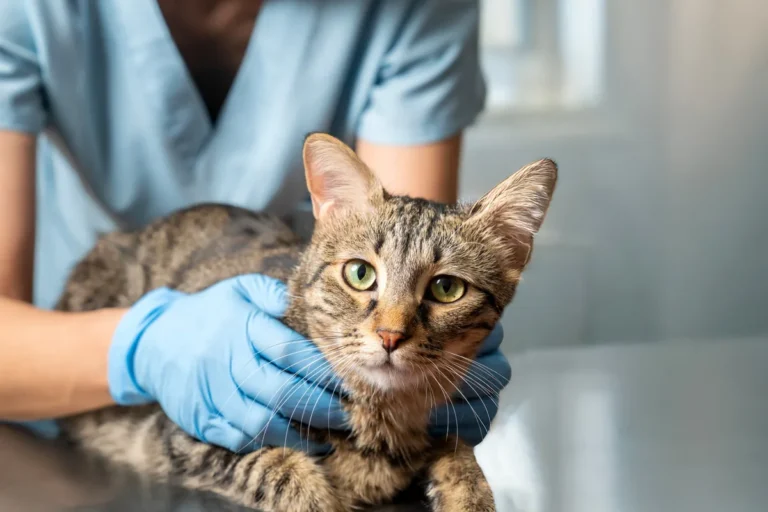
Diagnosing heart inflammation in cats typically involves a multi-faceted approach by a veterinarian. This includes a thorough physical examination, listening to the heart for murmurs or arrhythmias, and checking vital signs. Diagnostic tests often include blood work (CBC, chemistry panel), chest X-rays to assess heart size and lung condition, and an electrocardiogram (ECG) to evaluate heart rhythm. An echocardiogram (ultrasound of the heart) is usually essential to visualize the heart muscle’s structure and function, detect inflammation, and assess chamber size and wall thickness.
What is the prognosis for a cat with myocarditis?
The prognosis for heart inflammation in cats varies greatly depending on the underlying cause, the severity of the inflammation, and how quickly treatment is initiated. Cats with mild forms and those whose underlying cause is treatable may have a good prognosis with appropriate veterinary care. However, cats with severe myocarditis, significant heart muscle damage, or those who develop congestive heart failure often have a guarded to poor prognosis. Early detection and aggressive management are key factors influencing long-term outcomes.
Are there specific breeds of cats more prone to heart inflammation?
While heart inflammation can affect any cat, some breeds may have a higher predisposition to certain types of heart disease that can involve inflammation. For instance, hypertrophic cardiomyopathy (HCM), a common feline heart disease, can sometimes be associated with secondary inflammation. Studies have suggested certain breeds like Maine Coons and Ragdolls may be more prone to HCM, though myocarditis itself can occur in any cat regardless of breed. The UC Davis Veterinary Medicine explores personalized approaches to feline heart disease.
What can I do at home to support my cat’s heart health?
Supporting your cat’s heart health at home involves providing a calm environment, a high-quality diet, and ensuring they get regular, moderate exercise suitable for their condition. If your cat has a diagnosed heart condition, strictly follow your veterinarian’s recommendations regarding medication, diet (often low sodium), and activity restriction. Regular monitoring of their respiratory rate and gum color, as detailed in the “What to Track” section, is also crucial. Always consult your vet before making any changes to your cat’s diet or exercise regimen.
Concluding Thoughts on Heart Inflammation in Cats
Understanding heart inflammation in cats is a vital part of responsible pet ownership, especially given how well felines conceal illness. By familiarizing yourself with potential symptoms and knowing the clear indicators that necessitate immediate veterinary attention, you are better equipped to protect your cat’s health. Remember, this guide provides information, not a diagnosis. Always rely on your veterinarian for accurate assessment and treatment plans for your cat.