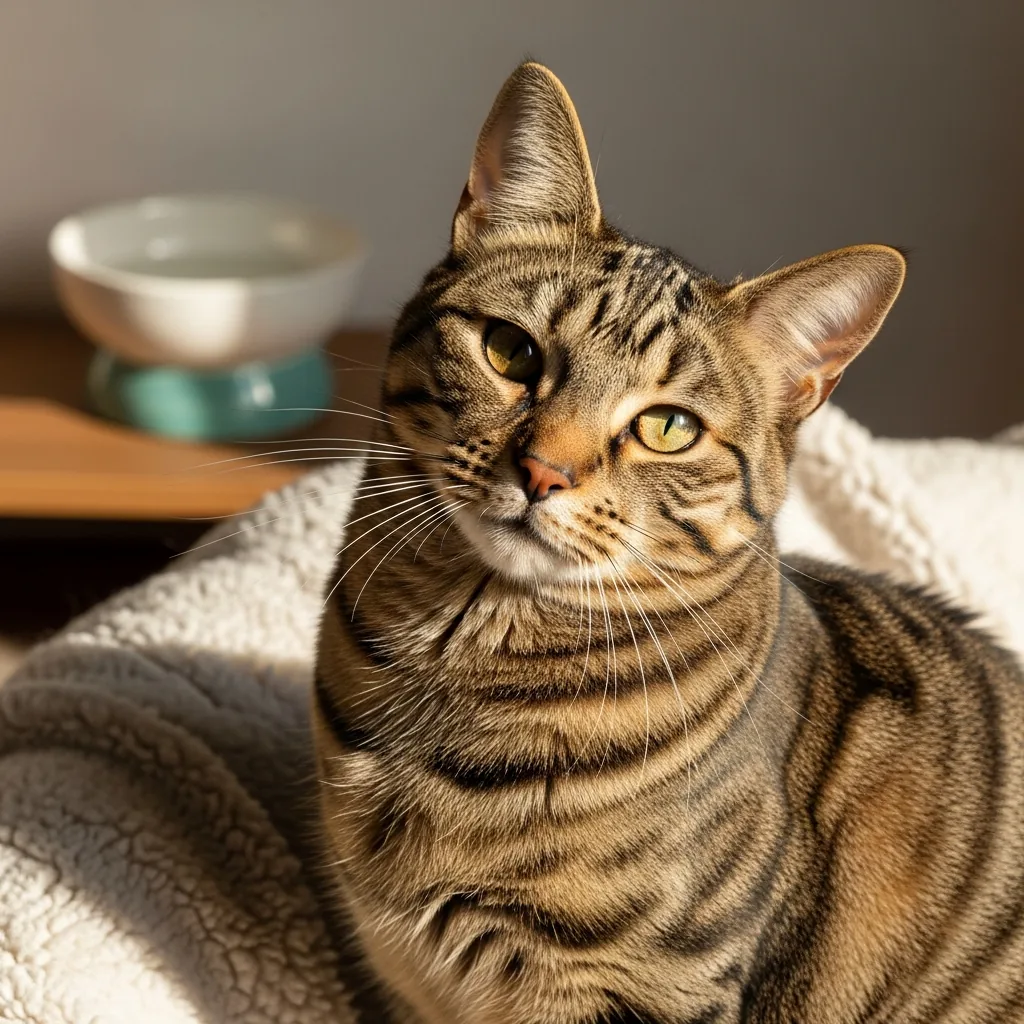
Understanding Kidney Filtration Issues in Cats
In brief: Kidney filtration problems in cats occur when the glomeruli, the blood-filtering units in the kidneys, are damaged, leading to protein loss in urine and reduced waste elimination. Signs include increased thirst and urination, weight loss, lethargy, vomiting, and fluid buildup. Early detection is key, and prompt veterinary consultation is essential if your cat exhibits persistent changes in appetite, energy levels, or litter box habits, especially if accompanied by vomiting or significant thirst. These conditions can progress, noting the importance of recognizing subtle changes.
Recognizing kidney filtration problems in cats is crucial for early intervention and managing potential health declines. These issues arise when the kidneys’ filtering units, the glomeruli, become damaged, leading to protein loss and impaired waste removal. As a biology graduate who’s navigated chronic kidney disease with my own cat, I understand the anxiety this can bring. This guide, drawing on veterinary expertise, will help you identify potential signs and understand when to consult your veterinarian.
We’ll cover what kidney filtration problems entail, why they matter for your cat’s health, and how to differentiate between symptoms that warrant observation and those requiring immediate veterinary attention. This article is for informational purposes and does not replace professional veterinary diagnosis or treatment.
Understanding the nuances of your cat’s kidney function can empower you to provide the best possible care. We’ll explore actionable steps you can take at home and common misconceptions surrounding feline kidney health, ensuring you have the knowledge to support your feline companion.
Kidney filtration problems in cats: Why Recognizing Kidney Filtration
As cat owners, we rely on our veterinarians to diagnose and treat serious conditions, but understanding the basics of kidney function can significantly impact our cats’ well-being. The glomeruli are complex capillary clusters within the kidneys responsible for filtering waste products from the blood to form urine. When these delicate structures are compromised, either by immune system responses (glomerulonephritis) or abnormal protein deposits (amyloidosis), the kidneys’ ability to perform this vital function deteriorates. This can lead to a cascade of health issues, including significant protein loss through the urine, a condition known as proteinuria. According to the Cornell Feline Health Center, kidney disease is common, particularly in older cats, and early detection is crucial for management.
The loss of essential proteins like albumin can lead to decreased blood pressure and fluid imbalances, causing swelling and abdominal distension. Furthermore, the kidneys play a role in regulating blood pressure and electrolyte balance. When filtration falters, toxins can build up in the bloodstream, impacting overall health and potentially leading to progressive kidney failure if left unaddressed. Recognizing the signs means you can seek timely veterinary care, potentially slowing disease progression and improving your cat’s quality of life.
When to Wait and Watch vs. Call Your Vet Immediately
As a cat owner, distinguishing between minor, transient issues and serious warning signs is challenging. With potential kidney filtration problems, a clear triage approach is essential. While some changes might resolve on their own, others indicate a need for immediate professional assessment. The ASPCA Animal Poison Control highlights how crucial it is to recognize symptoms that could indicate serious internal issues.
Wait and watch:
- Slightly increased thirst or urination that resolves within 24 hours.
- Occasional mild lethargy, especially after strenuous play, returning to normal energy levels within a few hours.
- Minor, infrequent appetite fluctuations that self-correct within a day.
- Slightly less fastidious grooming for a short period.
- Occasional, soft stool that resolves without intervention.
Call your vet now:
- Lethargy lasting more than 24 hours, or your cat is unresponsive and difficult to rouse.
- Vomiting more than once in 24 hours, or persistent, forceful vomiting.
- Diarrhea lasting more than 24 hours, or bloody diarrhea.
- Significant increase in thirst (polydipsia) or urination (polyuria) that persists for more than 24 hours.
- Noticeable weight loss over weeks or months, or sudden, unexplained weight loss.
- Visible fluid accumulation, causing abdominal distension or swelling in the limbs.
- Changes in breathing rate or effort (e.g., rapid breathing >40 breaths per minute at rest, or difficulty breathing).
- Pale gums or prolonged capillary refill time (press gently on the gum and time how long it takes for the color to return; >2 seconds warrants attention).
These more severe symptoms can signal significant kidney dysfunction or related complications, such as protein loss leading to edema or impaired blood clotting. Prompt veterinary evaluation is critical to diagnose the underlying cause and initiate appropriate management.
Actionable Steps for Monitoring Your Cat’s Kidney Health
While only a veterinarian can diagnose kidney filtration problems, you can take proactive steps at home to monitor your cat’s health and provide valuable information to your vet. These steps focus on observation and supportive care, not treatment.
- Monitor water intake and urine output: Keep a close eye on how much water your cat drinks daily. Note any significant increase or decrease. Also, observe the frequency and volume of urination. Are they using the litter box more often? Are the urine clumps larger than usual? Document any changes for your vet. The AAFP emphasizes the importance of monitoring these indicators.
- Track appetite and weight: A decrease in appetite or noticeable weight loss can be early signs of kidney issues. Weigh your cat regularly (e.g., weekly) using a baby scale or by weighing yourself with and without your cat. Note any consistent downward trend.
- Observe energy levels and behavior: Note any changes in your cat’s usual activity patterns. Are they sleeping more? Less interested in playing or interacting? Changes in behavior, such as hiding more or seeming disoriented, should be recorded.
- Check for vomiting and diarrhea: Keep track of any episodes of vomiting or diarrhea. Note the frequency, consistency, and whether there’s any blood present. Occasional mild vomiting might not be concerning, but persistent or severe episodes require veterinary attention.
- Inspect gums and hydration: Gently lift your cat’s lip to check their gum color. They should be a healthy pink. Pale or white gums can indicate anemia or poor circulation. You can also check for hydration by gently pinching the skin on their back; it should snap back quickly. If it stays tented, your cat may be dehydrated.
- Monitor for swelling: While subtle, watch for any signs of fluid accumulation. This might appear as a swollen abdomen or puffiness in the legs or face. This is a more advanced sign and warrants immediate veterinary care.
- Review diet and litter box contents: Ensure your cat is eating their regular food and that the litter box contents appear normal. Any unusual smells or textures in the stool should be noted.
Gathering this detailed information before your vet visit will help your veterinarian make a more accurate assessment and develop an effective management plan.
Debunking Myths About Feline Kidney Filtration Problems
Myth: Kidney problems only affect old cats.
Reality: While kidney disease is more prevalent in senior cats, it can affect cats of any age. Congenital abnormalities, infections, toxins, or underlying diseases like glomerulonephritis or amyloidosis can lead to kidney filtration issues in younger felines. The Merck Veterinary Manual notes that while age is a risk factor, other causes are also significant.
Myth: If my cat is drinking a lot, it’s just a phase.
Reality: A significant, persistent increase in thirst (polydipsia) is a classic sign of kidney dysfunction. The kidneys lose their ability to concentrate urine, leading to increased water loss and a compensatory increase in water intake. This isn’t a phase; it’s a critical indicator that warrants veterinary investigation.
Myth: A bland diet is always best for cats with kidney issues.
Reality: Dietary recommendations for cats with kidney problems are nuanced and should be guided by veterinary professionals. While some therapeutic diets are low in phosphorus and protein, they are specifically formulated to support kidney function. Simply feeding a ‘bland’ diet without veterinary guidance could be detrimental. The PetMD article on kidney disease in cats emphasizes the importance of prescription diets tailored to the specific condition.
Myth: My cat seems fine, so their kidneys must be okay.
Reality: Cats are masters at hiding illness. By the time clinical signs of kidney disease become obvious, a significant portion of kidney function may already be lost. Subtle changes in thirst, urination, or appetite can be easily overlooked. Regular veterinary check-ups, including bloodwork and urinalysis, are essential for detecting problems before they become severe.
Your Cat’s Kidney Health Observation Checklist
Keeping a detailed log of your cat’s daily habits and physical signs can provide crucial information for your veterinarian. This checklist focuses on observable metrics relevant to kidney function:
- Water Intake: Note the number of times you refill the water bowl daily, or estimate total consumption. Compare this to your cat’s baseline.
- Urination Frequency & Volume: Track how often your cat uses the litter box and the size of urine clumps.
- Appetite: Record daily food intake. Note any decrease in interest or refusal to eat.
- Body Weight: Weigh your cat weekly and record any consistent loss.
- Energy Levels: Subjectively rate your cat’s energy from 1 (lethargic) to 5 (highly active) daily.
- Vomiting Episodes: Log the date, time, and frequency of any vomiting.
- Stool Consistency: Note if stools are normal, loose, or contain blood.
- Gait/Mobility: Observe for any changes in how your cat walks or moves.
- Gum Color: Periodically check gum color (should be pink).
- Abdominal Appearance: Look for any signs of distension or swelling.
This data helps paint a complete picture for your vet, aiding in diagnosis and treatment monitoring.
Frequently Asked Questions About Cat Kidney Filtration
What are the earliest signs of kidney filtration problems in cats?
Early signs can be subtle and include a slight increase in thirst and urination, a minor decrease in appetite, or a bit more lethargy than usual. Cats are adept at masking illness, so even small changes warrant attention and documentation for your veterinarian.
Can kidney filtration problems in cats be cured?
Unfortunately, kidney filtration problems, particularly chronic kidney disease, are generally not curable. However, with appropriate veterinary management, including dietary changes, medications, and supportive care, the progression of the disease can often be slowed, and a good quality of life can be maintained for an extended period, as discussed by PetMD.
How do veterinarians diagnose kidney filtration issues?
Diagnosis typically involves a thorough physical examination, a detailed medical history from the owner, blood tests (to assess kidney function markers like BUN and creatinine, and electrolyte levels), and urinalysis (to check urine concentration and protein loss). Imaging like X-rays or ultrasounds may also be used. The NIH provides research on diagnostic approaches.
What is the role of protein in a cat’s diet with kidney issues?
For cats with diagnosed kidney disease, veterinarians often recommend specific therapeutic diets that are lower in phosphorus and contain high-quality, moderately reduced protein. This helps reduce the workload on the kidneys and minimize the buildup of waste products. It’s crucial to use veterinary-prescribed diets, not just any low-protein food.
Are there specific breeds of cats more prone to kidney filtration problems?
While kidney disease can affect any cat, certain breeds may have a higher predisposition. For example, Abyssinians and Persians are noted to be at higher risk for specific inherited kidney conditions. However, age remains the most significant risk factor across all breeds.
What is nephrotic syndrome in cats?
Nephrotic syndrome is a specific condition characterized by the loss of large amounts of protein in the urine (proteinuria), low blood protein levels (hypoalbuminemia), swelling or fluid accumulation (edema/ascites), and high cholesterol levels. It’s often a consequence of underlying kidney damage affecting the glomeruli’s filtering ability, as described in sources like the Merck Veterinary Manual.
Concluding Thoughts on Feline Kidney Health
Monitoring your cat’s health proactively is one of the most powerful tools you have as a caregiver. Recognizing the subtle signs of potential kidney filtration problems and understanding when to seek professional help can make a significant difference in your cat’s prognosis and quality of life. Remember, this guide provides information based on veterinary consensus, but it is not a substitute for a diagnosis from your veterinarian. Regular veterinary check-ups are critical for early detection and effective management of feline health conditions.
- Lethargy lasting >24 hours
- Vomiting more than once in 24 hours
- Significant increase in thirst or urination persisting >24 hours
- Visible abdominal swelling or limb edema
- Pale gums or difficulty breathing