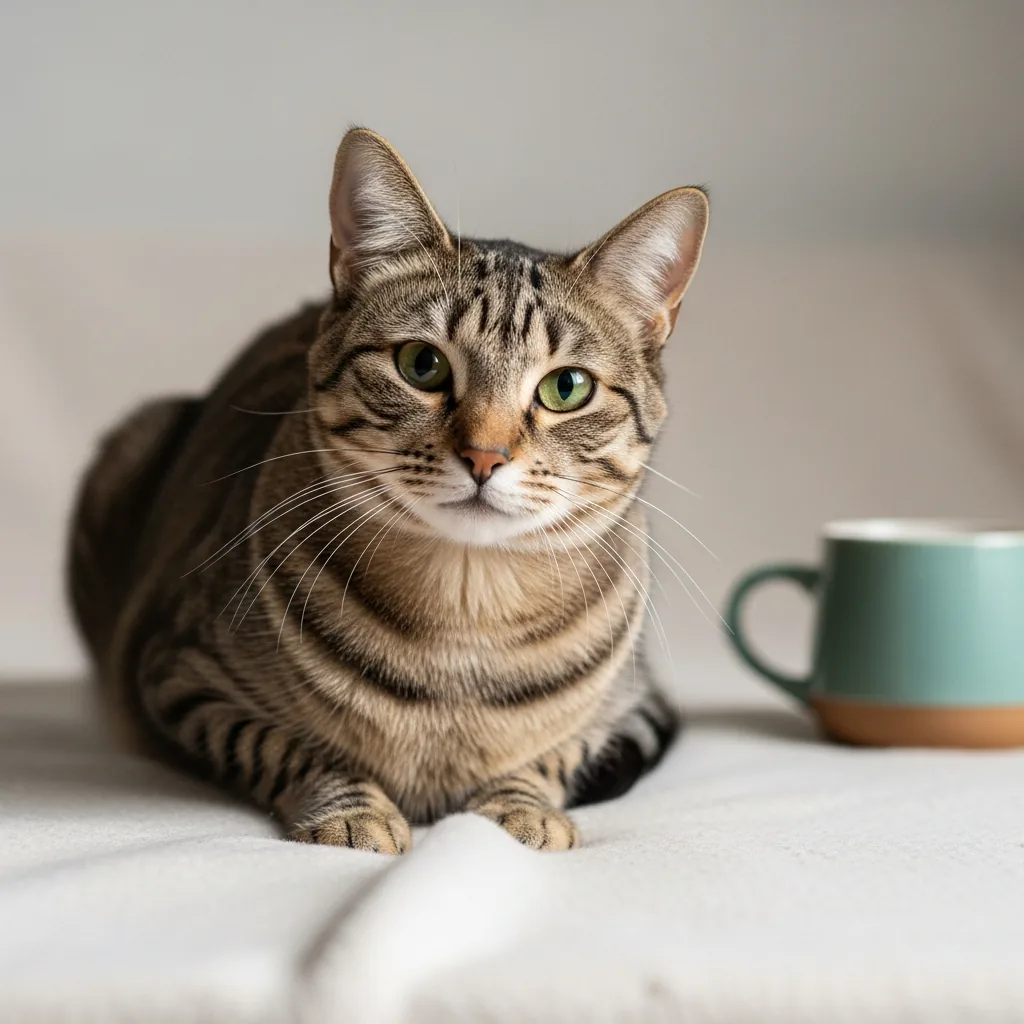
Understanding Fatty Tissue Inflammation in Cats (kidney filtration problems in)
In brief: Fatty tissue inflammation in cats, or steatitis, involves inflammation and potential necrosis of subcutaneous fat, often appearing as a firm, painful lump under the skin. It frequently links to diets high in polyunsaturated fatty acids without adequate antioxidants, such as those containing large amounts of certain fish. Other causes include infections, trauma, or underlying diseases. Symptoms include pain, reluctance to move, and visible lumps. Early veterinary diagnosis is crucial, as it can be mistaken for other serious conditions. Prompt treatment, often involving dietary changes and addressing the root cause, offers a good prognosis.
Inflammation of the fatty tissue in cats, often presenting as a distinct lump, requires careful owner observation and veterinary guidance. This condition, known medically as steatitis, can arise from dietary imbalances, particularly with excessive intake of certain fats, or as a secondary issue to other health problems.
As an owner who has navigated chronic feline health concerns, I understand the anxiety that arises when you notice a change in your cat. This guide, drawing on established veterinary knowledge, aims to clarify the signs, potential causes, and critical decision points for fatty tissue inflammation.
We will cover observable symptoms, dietary links, and crucially, the specific signals that warrant an immediate call to your veterinarian, distinguishing them from situations where watchful waiting might be appropriate. This article does not provide a diagnosis or treatment plan; it is for informational purposes to help you partner effectively with your vet.
Why Recognizing Fatty Tissue Inflammation Matters
Noticing a lump or unusual pain in your cat can be deeply concerning, and understanding fatty tissue inflammation is vital for prompt care. This condition, medically termed steatitis, is not merely a cosmetic issue; it signifies an underlying problem within your cat’s body that needs attention. The inflammation can occur anywhere there is fat, but it’s most commonly felt as a firm, sometimes mobile, lump just beneath the skin’s surface.
The link between diet and steatitis is particularly noteworthy. Cats fed diets excessively rich in unsaturated fats, especially from certain types of fish like red tuna, without sufficient vitamin E or other antioxidants, face a higher risk. These fats can undergo peroxidation, damaging cell membranes and leading to fat cell death (necrosis). According to the Merck Vet Manual, this peroxidation cascade drives many cases. Recognizing this connection helps owners make informed dietary choices or discuss concerns with their veterinarian proactively.
Beyond diet, steatitis can also indicate more serious health issues, including pancreatitis, infections, or even cancer. Therefore, a visible lump or signs of discomfort shouldn’t be ignored. Prompt veterinary assessment is key to differentiating steatitis from other conditions, like abscesses or tumors, and ensuring your cat receives appropriate care. Early intervention significantly improves the outcome and can prevent further complications.
Fatty Tissue Inflammation: Wait and Watch vs. Call Your Vet Now
Deciding when to seek veterinary care for potential fatty tissue inflammation involves assessing the severity and nature of your cat’s symptoms. While some signs might allow for cautious observation, others indicate an urgent need for professional evaluation.
Wait and watch:
- Slight, temporary decrease in activity that resolves within a few hours.
- Mild, isolated skin lump that is not rapidly growing and causes no apparent discomfort to the cat when lightly touched.
- A single episode of vomiting that is immediately followed by normal behavior and appetite.
- Minor, superficial skin irritation that does not worsen over 24 hours.
Call your vet now:
- A firm, painful lump under the skin, especially if it is rapidly growing or causing distress. Pain can manifest as vocalization, hiding, or aggression when the area is touched.
- Reluctance to move, jump, or play, particularly if persistent for more than a few hours. This suggests significant discomfort or pain.
- Visible signs of distress, such as panting, rapid breathing (respiratory rate consistently above 40 breaths per minute at rest), or a hunched posture.
- Lethargy or unresponsiveness lasting over 12 hours, indicating a more systemic issue.
- Any lump that bleeds, discharges fluid, or shows signs of infection (redness, heat, swelling).
- If your cat has a known history of dietary issues or recently consumed large amounts of oily fish.
The presence of a firm, painful subcutaneous lump is the hallmark sign of steatitis. As the AAFP notes, prompt diagnosis is essential to differentiate this condition from other masses and to initiate appropriate management, which often includes dietary adjustments and anti-inflammatory support.
Steps for Managing Suspected Fatty Tissue Inflammation
If you suspect your cat has fatty tissue inflammation, the most critical step is to consult your veterinarian. However, you can take preparatory actions and observe key details to assist them.
- Schedule a Veterinary Appointment: Contact your vet immediately if you observe a firm, painful lump, significant lethargy, or signs of distress. Describe the lump’s location, size, and consistency, and note any changes in your cat’s behavior or appetite.
- Document Symptoms: Keep a detailed log of all symptoms, including when they started, their progression, and anything that seems to make them better or worse. Note any changes in diet, activity level, or recent events. This information is invaluable for diagnosis.
- Review Your Cat’s Diet: If your cat eats commercial food, check the ingredients for high levels of fish oils or specific fish types. If feeding a homemade diet, meticulously review the components, especially the fat sources and vitamin E content. The NIH points to dietary fat peroxidation as a key factor.
- Avoid Self-Treating: Do not attempt to drain lumps or apply topical treatments without veterinary guidance. This can worsen the inflammation, introduce infection, or mask symptoms, complicating diagnosis.
- Prepare for Diagnostic Tests: Your vet will likely perform a physical exam, blood work, and possibly a fine-needle aspirate of the lump. Be prepared to provide your cat’s full health history, including diet and any previous medical conditions.
- Follow Veterinary Recommendations: If diagnosed with steatitis, adhere strictly to your vet’s treatment plan, which may involve dietary changes (e.g., switching to a balanced commercial diet, temporarily removing fish products), medication (like Vitamin E or corticosteroids), and potentially fluid therapy or feeding tube support if appetite is severely affected.
Common Misconceptions About Fatty Tissue Inflammation
Myth: Fatty tissue inflammation is always caused by infection.
Reality: While infection can sometimes contribute to or occur secondary to fatty tissue inflammation, it is not the primary cause in most cases. The most common cause, as highlighted by the National Center for Biotechnology, is dietary imbalance, specifically an excess of polyunsaturated fatty acids without adequate antioxidants. This leads to fat peroxidation and subsequent inflammation.
Myth: Steatitis only affects cats that eat raw fish.
Reality: While raw fish, particularly certain types like red tuna, is a significant risk factor due to its high unsaturated fat content, steatitis can occur in cats fed other diets. Commercially prepared foods with high levels of fish oil, or homemade diets incorporating significant amounts of unsaturated fats, can also predispose a cat to this condition if antioxidant levels are insufficient.
Myth: A lump under the skin in a cat is always cancer.
Reality: It’s understandable to fear cancer when finding a lump, but steatitis is a common cause of subcutaneous lumps in cats that is not cancerous. The inflamed fat tissue can feel firm and sometimes mobile, mimicking a tumor. Veterinary diagnostics, such as fine-needle aspiration, are essential to differentiate steatitis from malignant growths.
Myth: Steatitis is untreatable and leads to a poor prognosis.
Reality: Steatitis is generally treatable, especially when diagnosed early. The prognosis is good once the underlying cause, often dietary, is identified and addressed. Treatment focuses on correcting the nutritional imbalance, reducing inflammation, and managing any secondary issues. Consistent, appropriate veterinary care and dietary management lead to resolution.
What to Track for Your Veterinarian
Providing your veterinarian with accurate, detailed observations can significantly aid in diagnosing and managing fatty tissue inflammation. Focus on these key areas:
- Lump Characteristics: Note the exact location (e.g., flank, abdomen, limbs), size (measure if possible), shape, consistency (firm, rubbery, mobile), and any signs of redness or discharge.
- Pain Response: Observe if your cat flinches, vocalizes, or attempts to bite when the lump or surrounding area is touched. Note any reluctance to be handled.
- Activity Level: Track any changes in your cat’s willingness to jump, run, play, or climb. A noticeable decrease in activity, especially if linked to discomfort, is important.
- Appetite and Hydration: Monitor food intake and water consumption. A decreased appetite or increased thirst can indicate underlying illness.
- Dietary History: Record all food types (commercial, homemade, treats), ingredients (especially fish content), and any recent changes or additions to the diet over the past few months.
- Behavioral Changes: Note any unusual behaviors such as hiding, increased vocalization, aggression, or changes in grooming habits.
- Onset and Progression: Document when you first noticed the lump or any symptoms and how they have changed over time (e.g., rapid growth, increasing pain).
Frequently Asked Questions About Fatty Tissue Inflammation
What is steatitis in cats?
Steatitis, or fatty tissue inflammation, is a condition where the fat layers within or under the skin become inflamed and can potentially die (necrosis). It often presents as one or more firm, painful lumps, commonly linked to diets high in certain fats without enough antioxidants.
Can diet cause steatitis in cats?
Yes, diet is a primary cause. Feeding cats diets excessively rich in unsaturated fatty acids, like those found in large quantities of oily fish (e.g., red tuna, sardines) without adequate Vitamin E or other antioxidants, can lead to fat peroxidation and inflammation, according to the ASPCA Animal Poison Control resources.
What are the signs of fatty tissue inflammation in cats?
Key signs include firm, painful lumps under the skin, reluctance to move or be touched, lethargy, and sometimes decreased appetite. The lumps are often described as firm and can be found anywhere fat is present, most commonly subcutaneously.
How is steatitis diagnosed in cats?
Diagnosis typically involves a thorough physical examination, assessment of the lump (sometimes via fine-needle aspirate for cell analysis), blood work to check for underlying issues, and a detailed dietary history. Your vet will use these findings to confirm steatitis and rule out other conditions.
Can steatitis be treated in cats?
Yes, steatitis is treatable. Treatment focuses on addressing the underlying cause, most often by correcting dietary imbalances. This may include switching to a balanced commercial diet, supplementing with Vitamin E, and sometimes using anti-inflammatory medications. Prompt veterinary care leads to a good prognosis.
Is fatty tissue inflammation contagious?
No, fatty tissue inflammation is not contagious. It is an inflammatory condition often resulting from dietary factors or other non-infectious health issues within the cat’s body. It cannot be spread from one cat to another.
Conclusion: Partnering with Your Veterinarian
Observing your cat for signs of fatty tissue inflammation is a crucial part of responsible pet ownership. While this guide provides information on potential causes and symptoms, it cannot replace professional veterinary assessment. If you notice a lump, pain, or significant changes in your cat’s behavior or mobility, prompt consultation with your veterinarian is essential.
They are best equipped to provide an accurate diagnosis, rule out other serious conditions, and develop a tailored treatment plan. By working closely with your vet and providing them with detailed observations, you can ensure your feline companion receives the best possible care for conditions like steatitis.
- Firm, painful lumps under the skin
- Significant reluctance to move or play
- Lethargy lasting over 12 hours
- Panting or rapid breathing (>40 bpm at rest)
- Any lump that is bleeding or discharging fluid