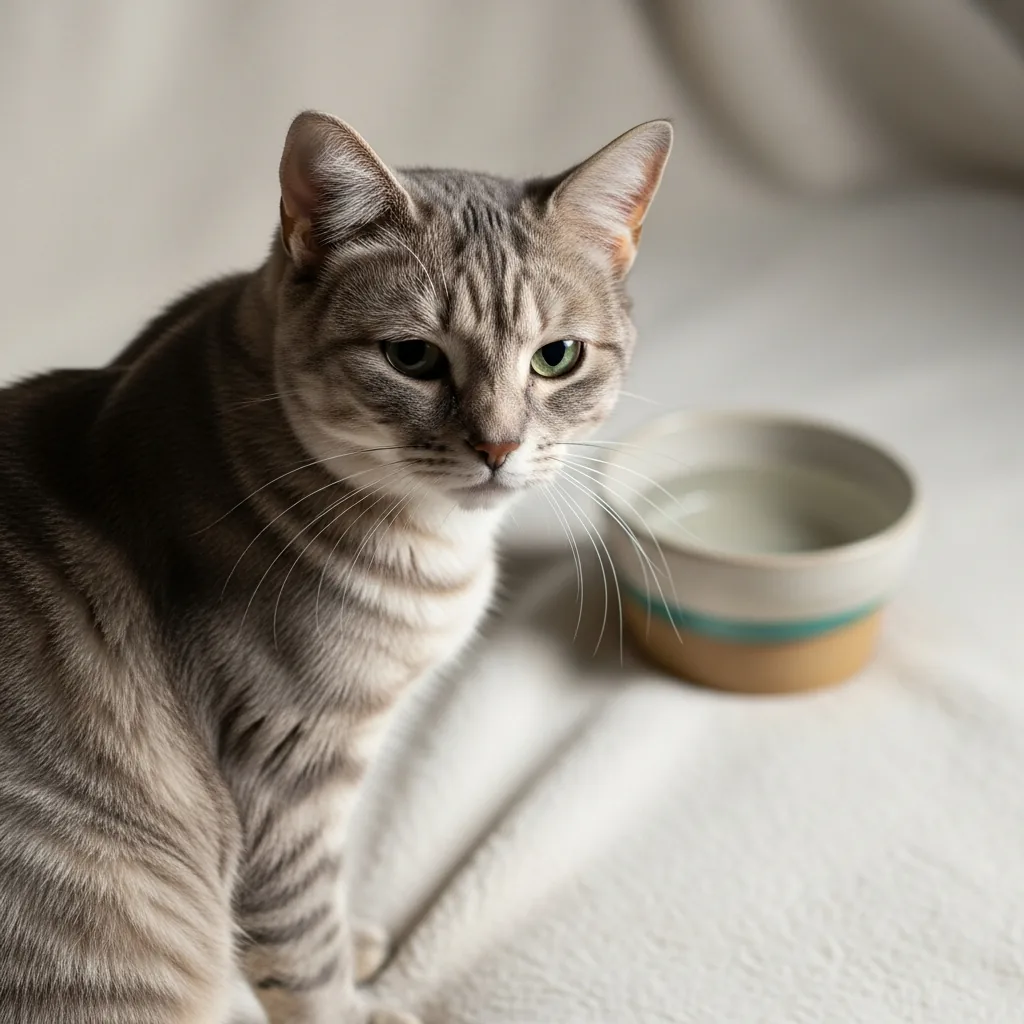
Quick Overview of Congestive Heart Failure in Cats (cardiac arrest in cats)
Congestive heart failure in cats happens when their heart can’t pump blood efficiently. This causes fluid to back up into the lungs or chest. Key signs include breathing trouble, rapid breathing (over 40 breaths per minute at rest), low energy, coughing, and pale or bluish gums. Catching this early through regular vet visits is crucial because heart disease often develops without obvious symptoms. If you see any signs of breathing distress or sudden weakness, contact your veterinarian immediately, as congestive heart failure in cats is a medical emergency that needs fast treatment.
Congestive heart failure in cats is a serious condition where the heart struggles to pump blood effectively, leading to fluid buildup and breathing difficulties.
As a cat owner who has navigated complex health issues, I understand how alarming these signs can be. This guide provides clear, vet-approved information to help you understand congestive heart failure in cats, recognize its symptoms, and know when to seek urgent veterinary attention.
We will cover common symptoms, early warning signs, what causes this condition, how veterinarians diagnose it, and crucial steps you can take at home. This article is for informational purposes and does not substitute professional veterinary diagnosis or treatment.
Why Understanding Congestive Heart Failure in Cats Matters
Recognizing the signs of congestive heart failure in cats matters because it’s a progressive and potentially fatal condition that often develops from underlying heart disease. Cats are masters at hiding illness, meaning subtle changes can signal serious trouble. Early identification allows for timely intervention, significantly improving your cat’s quality of life and potentially extending their lifespan. According to the Cornell Feline Health, many heart conditions in cats go unnoticed until they reach a critical stage.
Untreated congestive heart failure can lead to severe consequences, including pulmonary edema (fluid in the lungs) and pleural effusion (fluid in the chest cavity). It can also cause a dangerous drop in blood pressure (cardiogenic shock) and hypoxia (lack of oxygen). Understanding these risks empowers you to be a proactive advocate for your cat’s health. This knowledge helps you distinguish between a minor ailment and a true emergency, ensuring your cat receives the right care when they need it most.
Congestive Heart Failure in Cats: When to Wait and When to Call Your Vet
Navigating your cat’s health requires keen observation. While some subtle changes might allow for careful monitoring, others signal an immediate need for veterinary intervention. Understanding these distinctions is critical for managing potential congestive heart failure in cats.
Wait and watch:
- Slight decrease in activity levels or interest in play, especially after exertion.
- Occasional, brief periods of restlessness or seeking unusual resting spots.
- Mild changes in appetite, perhaps eating slightly less than usual.
- Minor fluctuations in grooming habits, like slightly more or less grooming.
- Appearing to tire more easily during normal activities.
Call your vet now:
- Difficulty breathing or open-mouth breathing: If your cat is panting, breathing with their mouth open, or appears to be struggling to inhale or exhale.
- Rapid resting respiratory rate: More than 40 breaths per minute while your cat is resting and calm. Count chest rises over 15 seconds and multiply by four.
- Pale, white, or bluish gums/tongue: Healthy gums are typically pink. Discoloration indicates poor oxygenation and is a critical sign.
- Sudden weakness or collapse: If your cat becomes unresponsive, stumbles, or is unable to stand.
- Persistent coughing: While less common in cats than dogs, a cough can indicate fluid buildup in the lungs.
- Capillary refill time (CRT) greater than 2 seconds: Gently press on your cat’s gums; the pink color should return within 1-2 seconds. A longer delay suggests poor circulation.
These critical signs suggest your cat may be experiencing a cardiac crisis. Prompt veterinary evaluation is essential to diagnose and manage congestive heart failure in cats effectively. The ASPCA highlights that heart murmurs, often detected during routine exams, can be early indicators of serious underlying heart conditions.
Step-by-Step Guide for Owners of Cats with Suspected Heart Issues
- Observe Respiratory Rate and Effort: When your cat is resting and calm, count their breaths per minute. Note if they seem to be working harder to breathe, using abdominal muscles, or panting. A normal resting rate is typically under 30-40 breaths per minute. If it consistently exceeds this or breathing is labored, this is a key indicator for potential congestive heart failure in cats.
- Check Gum Color and Capillary Refill Time: Gently lift your cat’s lip to examine their gums. They should be pink. If they appear pale, white, or bluish, this indicates poor oxygenation and warrants immediate veterinary attention. To check CRT, press gently on the gum with your finger; the blanched spot should return to pink within 1-2 seconds.
- Assess Activity Level and Behavior: Note any significant changes. Is your cat suddenly reluctant to jump, play, or move around? Are they sleeping more than usual or hiding? While subtle changes can occur, a marked decrease in activity or new hiding behaviors should be discussed with your veterinarian.
- Monitor Appetite and Hydration: While not a direct sign of heart failure itself, changes in appetite can accompany illness. Ensure your cat is drinking enough water and eating regularly. If appetite significantly declines for more than 24 hours, consult your vet.
- Listen for Coughing: Although less common in cats than dogs, a persistent cough could signal fluid accumulation in the lungs due to heart failure. If you hear your cat coughing frequently, especially after exertion or when lying down, it needs veterinary evaluation.
- Prepare for Veterinary Consultation: Gather information about your cat’s symptoms, including when they started, how they’ve progressed, and any recent changes in diet, environment, or medication. This information is invaluable for your veterinarian to diagnose and manage congestive heart failure in cats.
Common Misconceptions About Congestive Heart Failure in Cats
Myth: Coughing is the primary sign of heart failure in cats, just like in dogs.
Reality: While coughing can occur with congestive heart failure in cats, it is much less common than in dogs. Cats are more likely to show respiratory distress, rapid breathing, or lethargy. The Merck Vet Manual notes that the most common clinical signs in cats include tachypnea (rapid breathing), dyspnea (difficulty breathing), and pulmonary edema.
Myth: My cat is old, so lethargy and difficulty breathing are just signs of aging.
Reality: Age can contribute to heart disease, but lethargy and breathing difficulties are not normal aging signs. These symptoms often indicate an underlying medical condition, such as congestive heart failure in cats. Ignoring these signs can be detrimental, as prompt diagnosis and treatment are crucial for managing the condition.
Myth: Heart murmurs always mean a cat has serious heart disease.
Reality: Not all heart murmurs signal significant heart disease. Some murmurs are innocent or functional, meaning they don’t affect the cat’s health. However, a veterinarian must investigate any new murmur to rule out underlying conditions like hypertrophic cardiomyopathy (HCM), a common cause of heart failure in cats. The ASPCA emphasizes that while some murmurs are benign, they warrant professional evaluation.
Myth: Once a cat has congestive heart failure, there’s nothing that can be done.
Reality: Congestive heart failure in cats is serious, but often manageable. With proper veterinary care, including medications to manage fluid buildup, improve heart function, and control heart rate, many cats can maintain a good quality of life for months or even years. Early diagnosis and consistent treatment are key to a positive prognosis.
What to Track for Your Cat with Suspected Heart Issues
As an owner who has learned the hard way, I know how critical detailed observations are when your cat has a health concern. For congestive heart failure in cats, tracking specific metrics can provide your veterinarian with invaluable information. Keep a log or notes on the following:
- Resting Respiratory Rate: Count breaths per minute when your cat is calm and sleeping. Aim for less than 40 breaths per minute. Note any sustained increases.
- Breathing Effort: Observe if your cat uses abdominal muscles to breathe, breathes with an open mouth, or seems distressed.
- Gum Color: Note the color of your cat’s gums. They should be pink. Pale, white, or bluish gums are emergencies.
- Activity Level: Track changes in playfulness, willingness to jump, and overall energy. Note if they tire more easily.
- Appetite and Thirst: Monitor food intake and water consumption. Significant decreases lasting over 24 hours warrant a vet call.
- Coughing Episodes: Note the frequency and circumstances of any coughing.
- Behavioral Changes: Track hiding, unusual vocalizations, or reluctance to be handled.
- Weight Fluctuations: Monitor your cat’s weight, as sudden loss or gain can be significant.
This observational data, especially concerning respiratory signs, is crucial for diagnosing and managing congestive heart failure in cats, as highlighted by resources like the Cornell Feline Health.
Frequently Asked Questions About Congestive Heart Failure in Cats
Can a cat recover from congestive heart failure?
Complete recovery from congestive heart failure in cats is rare, as it’s a progressive condition often stemming from underlying heart disease. However, with prompt diagnosis and consistent veterinary treatment, many cats can achieve a stable condition and maintain a good quality of life for an extended period. Management focuses on controlling symptoms and slowing progression.
What is the average lifespan of a cat with congestive heart failure?
The lifespan varies significantly depending on the underlying cause, the severity of the heart disease, the cat’s overall health, and how well they respond to treatment. Some cats may live for months, while others, with diligent care and management, can live for several years after diagnosis. Early intervention is key to improving prognosis.
What causes congestive heart failure in younger cats?
Congestive heart failure in younger cats often stems from congenital heart defects, such as patent ductus arteriosus (PDA) or septal defects. Other causes can include inherited forms of cardiomyopathy (like hypertrophic cardiomyopathy) or conditions like severe anemia or hyperthyroidism that put excessive strain on the heart.
How does a veterinarian diagnose congestive heart failure in cats?
Diagnosis typically involves a thorough physical examination, listening for heart murmurs or abnormal lung sounds. Diagnostic tests often include chest X-rays to assess heart size and lung fluid, blood tests (including a proBNP test to check for heart strain), blood pressure measurement, and an echocardiogram (ultrasound of the heart) to evaluate heart structure and function. The Cornell Feline Health provides extensive information on feline cardiac diagnostics.
Are there any home remedies for congestive heart failure in cats?
No proven home remedies can cure or effectively treat congestive heart failure in cats. Supportive care, such as ensuring a calm environment and administering prescribed medications, is crucial but must always be guided by your veterinarian. Relying solely on home remedies can be dangerous and delay life-saving veterinary treatment.
What is the role of diet in managing heart conditions in cats?
While diet alone cannot cure heart disease, a veterinarian may recommend a specific therapeutic diet for cats with heart conditions. These diets often help manage fluid retention (low sodium) and support heart function. Consult your vet before making significant changes to your cat’s diet, especially if they have congestive heart failure in cats.
Conclusion: Prioritizing Your Cat’s Cardiac Health
Congestive heart failure in cats is a serious condition that requires vigilance and prompt veterinary care. As owners, our role involves observing closely, understanding the warning signs, and acting decisively when our feline companions show signs of distress. Early detection and consistent management under veterinary guidance are critical for improving your cat’s quality of life and prognosis.
This guide has outlined the critical symptoms, triage steps, and common questions surrounding this complex condition. Remember, your veterinarian is your most valuable partner in managing your cat’s health. Trust their expertise and seek their advice for any concerns regarding your cat’s heart health.
- Difficulty breathing or open-mouth breathing
- Resting respiratory rate over 40 breaths per minute
- Pale, white, or bluish gums
- Sudden weakness or collapse
- Persistent coughing