What is Addison’s Disease in Cats?
In brief: Addison’s disease in cats, or hypoadrenocorticism, is a rare hormonal disorder where the adrenal glands fail to produce enough essential hormones like cortisol and aldosterone. This deficiency can lead to a wide range of non-specific symptoms, making diagnosis difficult. Key signs owners might observe include lethargy, vomiting, decreased appetite, and dehydration. Prompt veterinary attention is critical, as an Addisonian crisis is a life-threatening emergency. While treatable with lifelong hormone replacement therapy, early recognition and consistent medical management are vital for a good prognosis.
Hypoadrenocorticism, commonly known as addison’s disease in cats, is a rare but serious endocrine disorder affecting the adrenal glands, which are crucial for producing vital hormones.
As a biology graduate and owner who’s navigated chronic illness with my own cat, I understand the worry that comes with concerning symptoms. This guide provides an owner-focused overview of addison’s disease in cats, drawing on expert veterinary resources.
While this article offers detailed information, it is not a substitute for professional veterinary advice, diagnosis, or treatment. Always consult your veterinarian with any questions you may have regarding your cat’s medical condition.
Why Understanding Addison’s Disease in Cats Matters
Addison’s disease in cats, though uncommon, presents a significant diagnostic challenge because its symptoms are vague and intermittent, often mimicking many other feline ailments. For owners, recognizing potential signs is the first step toward seeking timely veterinary care. The adrenal glands, located near the kidneys, produce critical hormones such as cortisol and aldosterone. These hormones regulate a vast array of bodily functions, including stress response, metabolism, immune function, and electrolyte balance. A deficiency can destabilize these systems, leading to a cascade of health issues.
The rarity of the condition means it’s often overlooked by veterinarians and owners alike until a crisis point is reached. The Merck Vet Manual notes that hypoadrenocorticism is much rarer in cats than in dogs. This disparity can lead to delayed diagnosis, as many vets may not consider it a primary differential diagnosis in a sick cat. Understanding the subtle clues and potential severity empowers owners to advocate effectively for their cat’s health.
The consequences of untreated or misdiagnosed Addison’s disease can be severe, ranging from chronic ill health to life-threatening Addisonian crises. Early and accurate diagnosis, supported by owner-provided detailed history and specific veterinary diagnostics, is critical for initiating appropriate treatment and ensuring the best possible outcome for your feline companion.
When to Wait and Watch vs. Call Your Vet Immediately
Distinguishing between mild, transient symptoms and signs of a serious condition like Addison’s disease in cats requires careful observation. Because hypoadrenocorticism can present with non-specific signs, it’s crucial to know when to monitor your cat at home and when to seek immediate veterinary intervention. The adrenal hormones are vital for maintaining homeostasis, and their absence can quickly lead to a critical state.
Wait and Watch:
- Mild, infrequent vomiting or occasional diarrhea that resolves within 24 hours without other concerning signs.
- Slight decrease in appetite for a single meal, followed by normal eating habits.
- Slightly reduced activity level for a day, with normal energy returning afterward.
- Occasional, brief periods of seeming weakness that resolve quickly.
- Minor changes in drinking habits that return to normal baseline within a day.
These symptoms, if isolated and transient, might be attributed to minor dietary indiscretions or temporary stress. However, if they recur or worsen, veterinary consultation is necessary.
Call Your Vet Now:
- Persistent vomiting or diarrhea lasting longer than 24 hours, or any episode accompanied by blood or extreme lethargy.
- Significant, unexplained weight loss over days to weeks, or a refusal to eat for more than 24 hours.
- Profound lethargy or weakness, where the cat is difficult to rouse, unresponsive, or unable to stand normally.
- Signs of dehydration: sunken eyes, dry gums, decreased skin elasticity (tented skin), or very rapid breathing. A capillary refill time longer than 2 seconds indicates poor circulation.
- A heart rate below 120 beats per minute (bpm) or a respiratory rate above 40 breaths per minute (bpm) at rest, especially if accompanied by weakness or collapse.
- Collapse or fainting episodes, or extreme sensitivity to cold.
- Any instance of suspected Addisonian crisis, characterized by shock symptoms: pale gums, weak pulse, cold extremities, rapid shallow breathing, and profound collapse.
The ASPCA emphasizes that sudden changes in behavior or physical condition warrant prompt veterinary assessment. For Addison’s disease in cats, a sudden downturn, particularly signs of shock or collapse, indicates a medical emergency requiring immediate stabilization and treatment.
Steps for Diagnosing and Managing Addison’s Disease in Cats
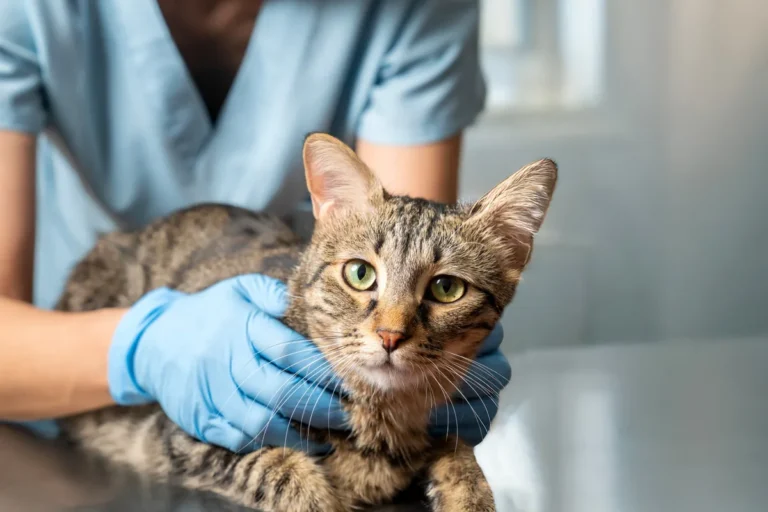
- Schedule a Veterinary Consultation: If your cat exhibits any of the concerning symptoms listed in the “Call Your Vet Now” section, contact your veterinarian immediately. Provide a detailed history of the symptoms, including onset, duration, frequency, and any potential triggers like stress or dietary changes. This initial information is vital for the vet to consider Addison’s disease in cats as a possibility.
- Undergo Diagnostic Testing: Your veterinarian will likely recommend a series of tests to diagnose Addison’s disease. This typically includes a complete blood count (CBC) to check for anemia or changes in white blood cells, and serum chemistry panels to assess electrolyte levels (especially sodium and potassium), kidney function, and blood glucose. The Illinois Vet highlights that electrolyte imbalances are a common finding.
- Perform ACTH Stimulation Test: If initial bloodwork is suggestive, a specific test called an ACTH stimulation test is often performed. This involves measuring baseline cortisol levels, administering a synthetic ACTH hormone, and then re-measuring cortisol after a set period (usually one hour). In cats with Addison’s disease, the adrenal glands fail to produce a significant increase in cortisol, confirming the diagnosis.
- Initiate Hormone Replacement Therapy: If diagnosed, treatment involves lifelong hormone replacement therapy. This typically includes a mineralocorticoid (like desoxycorticosterone pivalate or fludrocortisone acetate) to replace aldosterone and a glucocorticoid (like prednisolone) to replace cortisol. Your veterinarian will determine the specific medication, dosage, and administration route (oral or injectable) based on your cat’s needs.
- Monitor and Adjust Medication: Close monitoring is essential after treatment begins. Your vet will likely schedule follow-up appointments with blood tests to assess electrolyte levels and adjust medication dosages as needed. Finding the optimal balance can take time. Lifelong medication is required, and owners must administer it consistently.
- Manage Stress and Illness: Cats with Addison’s disease require careful management during stressful periods or illness, as their bodies may not adequately respond to increased demands for cortisol. Consult your veterinarian about potentially increasing medication dosages during these times to prevent an Addisonian crisis.
- Regular Veterinary Check-ups: Even when stable, cats on hormone replacement therapy need regular veterinary check-ups, typically every 3 to 6 months, or as recommended by your vet. These visits ensure the medication dosage remains appropriate, monitor for any complications, and maintain overall health.
Common Misconceptions About Addison’s Disease in Cats
Myth: Addison’s disease in cats is easily recognizable by a veterinarian.
Reality: Addison’s disease is notoriously difficult to diagnose in cats because its symptoms are vague, intermittent, and can mimic many other common feline illnesses, such as gastrointestinal upset, kidney disease, or pancreatitis. The dvm360 publication notes that due to its rarity and non-specific signs, it is often a diagnosis of exclusion.
Myth: Only certain breeds of cats are affected by Addison’s disease.
Reality: Unlike some other endocrine disorders, Addison’s disease in cats does not appear to be strongly associated with any specific breed or age group. While it is rare overall, any cat can potentially develop hypoadrenocorticism. The underlying cause is often thought to be autoimmune, meaning the cat’s own immune system mistakenly attacks the adrenal glands.
Myth: A cat diagnosed with Addison’s disease has a poor prognosis.
Reality: With appropriate diagnosis and consistent, lifelong management, cats with Addison’s disease can live long, happy, and relatively normal lives. The key is strict adherence to the prescribed hormone replacement therapy and regular veterinary follow-ups. An Addisonian crisis is a life-threatening emergency, but prompt treatment can reverse the crisis and allow for long-term stabilization.
Myth: Once symptoms disappear with treatment, medication can be stopped.
Reality: Addison’s disease is a chronic condition requiring lifelong management. The adrenal glands do not recover their function. Stopping medication, even if the cat appears to be doing well, can lead to a relapse and potentially a dangerous Addisonian crisis. Consistent daily or monthly administration of prescribed hormones is crucial for maintaining the cat’s health.
What to Track for Your Cat’s Health Records
As an owner managing a chronic condition like Addison’s disease in cats, meticulous record-keeping is invaluable for effective veterinary care. Keeping a log of specific observations allows you to provide your veterinarian with precise information, aiding in diagnosis and treatment adjustments. Track these details:
- Appetite Changes: Note the quantity of food eaten daily compared to your cat’s normal intake. Record days of reduced appetite or complete refusal to eat.
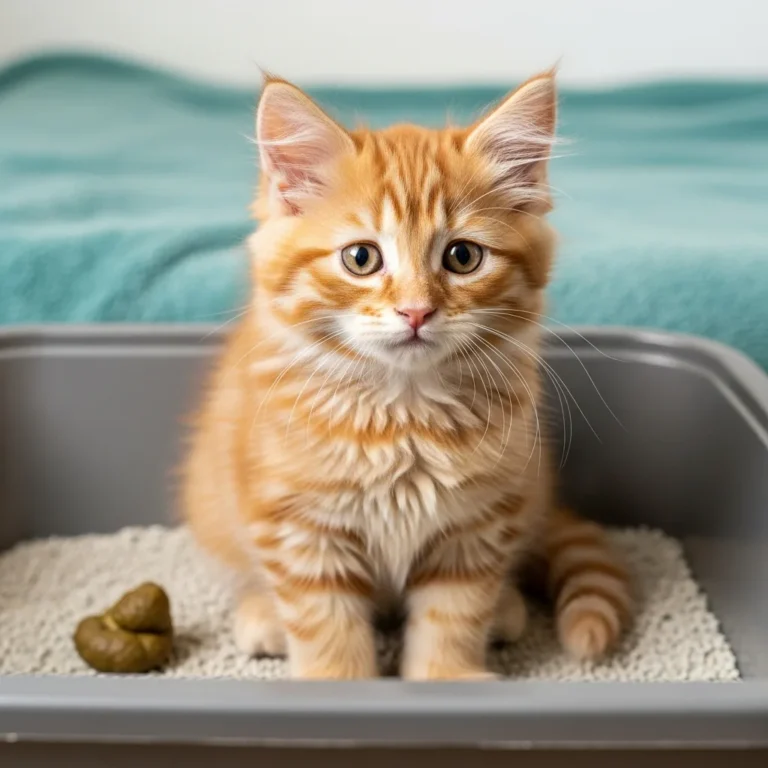
- Vomiting/Diarrhea Episodes: Log the frequency, timing (e.g., before or after meals), consistency, and any presence of blood or mucus.
- Lethargy and Weakness: Describe the severity and duration. Is your cat sleeping more? Does she seem unusually weak or reluctant to move? Note any difficulty rising or walking.
- Water Intake and Urination: Track significant increases in thirst or urination frequency/volume. Note if litter box habits change drastically.
- Weight Fluctuations: Weigh your cat regularly (e.g., weekly) if possible, or note any visible changes in body condition or muscle mass.
- Behavioral Shifts: Observe for changes like hiding more, reduced interaction, vocalization, or irritability, especially if these are new or pronounced.
- Response to Stress: Note any episodes of weakness, vomiting, or collapse that occur after a stressful event (e.g., vet visit, visitors, changes in routine).
- Medication Administration: Keep a precise record of when medications are given, including dosage and route (oral/injection).
This detailed log helps paint a clear picture for your vet, especially when symptoms are intermittent, making the diagnosis of hypoadrenocorticism more straightforward.
Frequently Asked Questions About Addison’s Disease in Cats
What are the most common symptoms of Addison’s disease in cats?
The most frequently observed symptoms of Addison’s disease in cats include lethargy, decreased appetite, weight loss, vomiting, and diarrhea. Owners may also notice increased thirst and urination. These signs are often intermittent and can be mistaken for less serious issues, making early diagnosis challenging.
Can Addison’s disease in cats be cured?
No, Addison’s disease in cats cannot be cured. However, it is a manageable condition. With lifelong hormone replacement therapy, cats can lead normal, healthy lives. The focus is on consistent management and regular veterinary care to maintain the cat’s well-being and prevent life-threatening crises.
What is an Addisonian crisis in cats?
An Addisonian crisis is a severe, life-threatening medical emergency that occurs when the body experiences a critical shortage of adrenal hormones. Symptoms include profound weakness, collapse, shock, low blood pressure, severe dehydration, and electrolyte imbalances. It requires immediate intensive veterinary treatment, often involving fluid therapy, steroids, and other supportive care.
How is Addison’s disease diagnosed in cats?
Diagnosis typically involves a combination of blood tests to evaluate electrolyte levels, kidney function, and red blood cell counts, alongside a specific ACTH stimulation test. This test measures the adrenal glands’ response to synthetic ACTH hormone. The Merck Vet Manual confirms that these diagnostic steps are crucial for identifying hypoadrenocorticism.
What is the long-term outlook for a cat with Addison’s disease?
The long-term prognosis for cats diagnosed with Addison’s disease is generally good to excellent, provided they receive consistent lifelong treatment and regular veterinary monitoring. Cats can live for many years with proper management. The primary exception is if the adrenal disease is secondary to a malignant tumor like lymphoma.
Can stress trigger an Addisonian crisis in cats?
Yes, stress can be a significant trigger for an Addisonian crisis in cats. Because their bodies cannot produce sufficient cortisol to handle increased demands, stressful situations-such as travel, visits from strangers, illness, or injury-can precipitate a dangerous drop in hormone levels. Owners should discuss stress management and potential medication adjustments with their vet.
Living with Addison’s Disease in Cats
Addison’s disease in cats, while rare and challenging to diagnose, is a manageable chronic condition. Understanding the potential symptoms and knowing when to seek veterinary care is crucial for your cat’s well-being. Consistent medication, regular veterinary check-ups, and careful monitoring of your cat’s health and response to stress are key components of long-term management.
Remember, this guide provides information based on veterinary expertise, but it cannot replace the personalized care your veterinarian provides. If you suspect your cat is experiencing symptoms of Addison’s disease or any other health concern, do not hesitate to contact your vet.