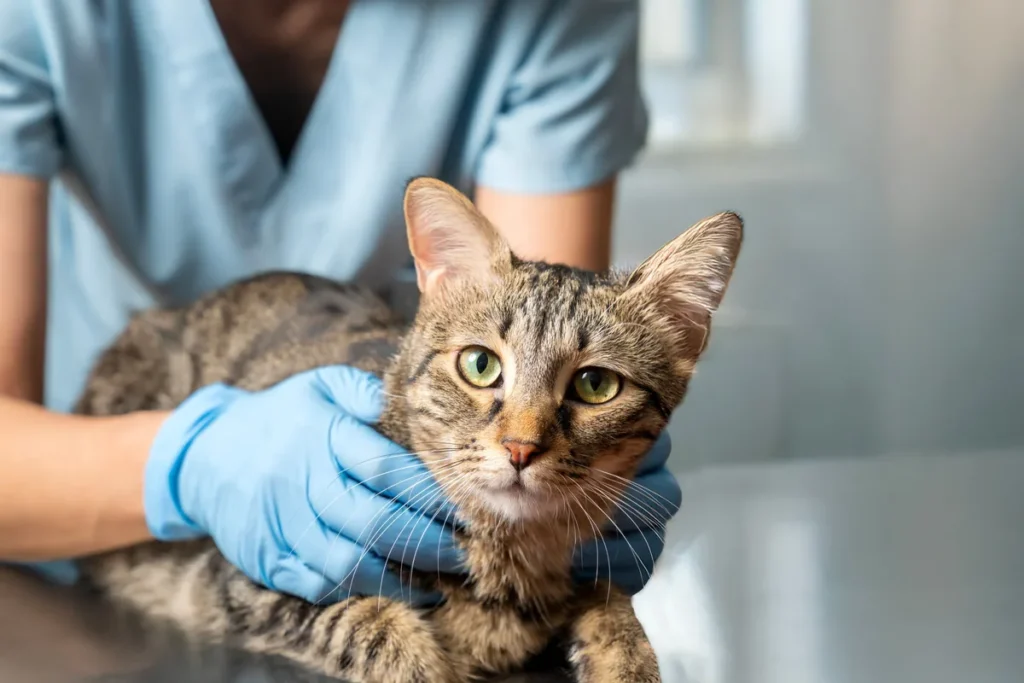
Quick Answer: What is Diabetic Ketoacidosis in Cats (diabetes insipidus in cats)?
In brief: Diabetic ketoacidosis in cats is a severe, life-threatening complication of diabetes mellitus requiring immediate veterinary intervention. It arises when a cat’s body cannot produce or effectively use enough insulin, leading to high blood sugar and the breakdown of fat for energy. This process generates ketones, causing a dangerous buildup of acid in the blood and dehydration. Key signs include extreme lethargy, vomiting, increased thirst and urination, a distinctive sweet or fruity breath odor, and rapid or difficult breathing. Prompt diagnosis and aggressive treatment, typically involving hospitalization with intravenous fluids and insulin, are critical for survival and preventing long-term complications.
Recognizing diabetic ketoacidosis in cats is crucial for their survival, as it represents a life-threatening complication of diabetes mellitus. This condition occurs when the body lacks sufficient insulin, forcing it to break down fat for energy, which leads to a dangerous buildup of acids in the bloodstream.
As an owner who has navigated complex feline health issues, I understand the urgency and confusion this can bring. This guide, grounded in veterinary expertise, will help you identify potential signs, understand the difference between situations requiring immediate veterinary attention and those that can be monitored, and know what to expect should your cat require professional care. We will cover the critical symptoms, immediate triage steps, and essential tracking information, always emphasizing that this information supplements, but never replaces, professional veterinary diagnosis and treatment.
This article is intended for informational purposes only and does not constitute veterinary advice. Always consult your veterinarian for any health concerns regarding your cat. We aim to provide a complete overview of diabetic ketoacidosis in cats, drawing upon established veterinary resources to empower you as a pet owner.
Why Understanding Diabetic Ketoacidosis in Cats Matters
Diabetic ketoacidosis (DKA) in cats is more than just a severe symptom of diabetes; it’s a metabolic crisis that can rapidly escalate. For owners, understanding DKA is vital because it often presents as the first, or a sudden worsening, sign of undiagnosed or poorly managed diabetes mellitus. The AVMA highlights that diabetes itself is a common endocrine disorder in cats, and DKA represents its most acute complication.
The urgency stems from the physiological cascade: insufficient insulin means cells can’t use glucose for energy. The body then turns to fat reserves, producing ketones. These ketones are acidic, and their accumulation overwhelms the body’s buffering systems, leading to acidosis. Simultaneously, high blood glucose pulls water from cells, causing dehydration. Recognizing these signs early-such as persistent vomiting, profound lethargy, and a characteristic sweet, fruity odor on the breath-can be the difference between life and death. Early intervention dramatically improves the prognosis, as noted by resources like the PetMD article on DKA, which indicates a survival rate of around 69% with aggressive treatment. Ignoring these signals can lead to coma and fatalities, making owner awareness critical.
Triage: When to Monitor and When to Call Your Vet Immediately for DKA Signs
managing the signs of potential diabetic ketoacidosis in cats requires a clear understanding of what warrants immediate professional attention versus what might be manageable with close observation and a prompt vet call. As a cat owner who has faced health scares, I know how critical this distinction is. The following lists are designed to help you make informed decisions quickly.
Wait and watch (but remain vigilant and schedule a vet appointment soon):
- Mildly increased thirst and urination, without other acute symptoms, in a cat with a known history of regulated diabetes.
- Slight decrease in appetite for less than 12 hours in an otherwise stable diabetic cat, provided vomiting is absent.
- Minor lethargy, where the cat is slightly less active but still responsive, eating, and drinking normally.
- Occasional, non-productive retching (trying to vomit but nothing comes up) that resolves quickly.
- A faint, almost imperceptible sweet smell on the breath, without other severe symptoms present.
Call your vet now (Emergency Situation):
- Vomiting that is persistent (more than 2-3 episodes in 24 hours) or contains blood.
- Profound lethargy or weakness; the cat is unresponsive, cannot stand, or seems disoriented.
- Significant increase in thirst and urination lasting over 24 hours, or a sudden decrease in urination.
- A strong, sweet, or fruity odor on the cat’s breath, especially when combined with other symptoms.
- Labored, rapid, or unusually deep breathing (respiratory rate consistently over 40 breaths per minute at rest).
- Evidence of collapse or severe dehydration (e.g., prolonged capillary refill time >2 seconds, sunken eyes).
- Sudden refusal to eat or drink for more than 12-18 hours.
- Any cat with known diabetes that shows a sudden decline in condition.
DKA is a medical emergency. The presence of ketones in the blood or urine, coupled with clinical signs, confirms the need for immediate veterinary care. The Merck Vet Manual describes DKA as a state of metabolic derangement that requires intensive care to correct. If you observe any of the “Call your vet now” signs, do not delay in seeking emergency veterinary services.
Step-by-Step Guide for Owners Facing Suspected DKA in Cats
- Assess Your Cat’s Symptoms Immediately: Observe your cat closely for any combination of the critical signs of diabetic ketoacidosis in cats discussed previously, particularly vomiting, extreme lethargy, changes in thirst/urination, and breath odor. Note the onset and duration of these symptoms. This initial assessment is your first step in determining the urgency.
- Contact Your Veterinarian or Emergency Clinic: If you observe any of the “Call your vet now” red flags, immediately contact your veterinarian or the nearest emergency veterinary hospital. Provide them with a clear, concise summary of your cat’s symptoms, their duration, and any known medical history, especially if your cat is already diagnosed with diabetes.
- Prepare for a Veterinary Visit: If advised to bring your cat in, gather essential information. This includes their current diet, any medications or supplements they are receiving, recent changes in behavior or appetite, and the frequency of urination and defecation. If possible and safe, collect a urine sample, as this can provide valuable diagnostic information for the vet.
- Follow Veterinary Instructions Precisely: Once diagnosed, your veterinarian will outline a treatment plan, which typically involves hospitalization for intravenous (IV) fluid therapy, insulin administration, and electrolyte correction. It is crucial to adhere strictly to their instructions regarding medication schedules, diet, and follow-up appointments. The AAHA Diabetes Management Guidelines emphasize the importance of consistent veterinary care.
- Monitor at Home Post-Hospitalization: After discharge, your cat will require diligent home care. This includes administering prescribed insulin injections, feeding a specific veterinary diet, monitoring blood glucose levels if recommended, and closely observing for any return of DKA symptoms or complications. Regular weigh-ins and appetite checks are also important.
- Attend All Follow-Up Appointments: Regular check-ups with your veterinarian are non-negotiable. These appointments allow for adjustments to insulin dosage, diet, and overall management plan. They also provide an opportunity to discuss any concerns and ensure your cat is progressing well. Your vet will monitor for secondary issues and adjust treatment as needed.
- Provide a Supportive Environment: Ensure your cat has a quiet, stress-free environment at home, especially during recovery. Minimize disruptions and provide comfortable resting places. Managing stress is an often-overlooked aspect of feline health that can significantly impact recovery from serious conditions like DKA.
Debunking Common Myths About Diabetic Ketoacidosis in Cats
Myth: DKA is just a more severe form of diabetes that can be managed at home with a slight insulin dose increase.
Reality: Diabetic ketoacidosis in cats is a medical emergency that fundamentally alters the body’s metabolism. It’s not simply a matter of needing more insulin; it involves dangerous acid buildup (acidosis) and severe dehydration that require intensive, hospital-level care. Attempting to manage DKA at home without veterinary intervention is extremely dangerous and often fatal. The PetMD article stresses the critical need for immediate veterinary treatment.
Myth: A sweet or fruity smell on a cat’s breath is just a minor inconvenience and not a serious sign.
Reality: While not all sweet smells indicate DKA, a distinct fruity or acetone-like odor on the breath is a significant warning sign. This smell is caused by the presence of ketones, byproducts of fat breakdown that occur during DKA. The NIH has published research indicating ketone presence as a key diagnostic marker. If you detect this smell, especially alongside other symptoms like vomiting or lethargy, it warrants an immediate call to your veterinarian.
Myth: Once a cat is treated for DKA and stabilized, the diabetes problem is solved.
Reality: Successfully treating DKA resolves the immediate crisis, but it does not cure the underlying diabetes mellitus. The cat will still require lifelong management of their diabetes, including insulin therapy, a specialized diet, and regular veterinary check-ups. DKA often serves as a wake-up call for poorly managed or undiagnosed diabetes, showing the need for ongoing, diligent care as outlined by resources like the Veterinary Information Network (VIN).
Myth: Only cats with long-standing, uncontrolled diabetes can develop DKA.
Reality: While uncontrolled diabetes is a primary risk factor, DKA can occur in cats with newly diagnosed diabetes or even those whose diabetes was previously well-managed. Stressors such as infections (like urinary tract infections), pancreatitis, concurrent illnesses, or certain medications (e.g., high-dose steroids) can trigger DKA even in seemingly stable diabetic cats. The CDC notes that various factors can precipitate DKA in humans, and similar principles apply to felines.
What to Track: Key Observations for Your Vet
When your cat is experiencing or recovering from potential diabetic ketoacidosis in cats, providing your veterinarian with accurate, detailed observations is crucial. The information you gather can significantly aid in diagnosis and treatment adjustments. Focus on the following:
- Appetite: Note the percentage of normal food intake. Is your cat eating at all? Eating half their usual amount? Eating normally?
- Water Intake: Track if thirst has increased significantly (drinking from unusual places like faucets or toilets) or decreased drastically.
- Urination Frequency and Volume: Observe if your cat is urinating more often, producing larger volumes, or if urination seems reduced or absent. Note any accidents outside the litter box.
- Vomiting Episodes: Record the number of times your cat vomits within a 24-hour period, what the vomit looks like (food, bile, foam, blood), and if it’s associated with eating or drinking.
- Lethargy Level: Describe your cat’s energy. Are they hiding, sleeping excessively, unable to stand, or just a bit less playful than usual?
- Breath Odor: Note any unusual smells on your cat’s breath, particularly if it’s sweet, fruity, or smells like nail polish remover (acetone).
- Breathing Pattern: Observe if breathing is rapid (over 40 breaths per minute at rest), shallow, or appears labored.
- Gastrointestinal Changes: Note any signs of diarrhea or constipation.
- Behavioral Changes: Document any unusual behaviors, such as disorientation, vocalization, or aggression, that deviate from your cat’s normal demeanor.
- Medication Adherence: If your cat is diabetic, track when insulin doses were administered and if any doses were missed or given incorrectly.
Accurate tracking helps your vet assess the severity of the condition and monitor treatment effectiveness. Resources like the University of Georgia Veterinary Teaching Hospital provide insights into home monitoring tools that can assist owners.
Frequently Asked Questions About DKA in Cats
What are the earliest signs of diabetic ketoacidosis in cats?
Early signs often mimic uncontrolled diabetes: increased thirst and urination, lethargy, and a decreased appetite. However, the hallmark sign that distinguishes DKA is often a distinct sweet or fruity odor on the cat’s breath, accompanied by vomiting and profound weakness. These symptoms indicate a metabolic crisis requiring immediate veterinary attention.
Can a cat recover from diabetic ketoacidosis?
Yes, many cats can recover from diabetic ketoacidosis with prompt and aggressive veterinary treatment. Survival rates are significantly improved with early diagnosis and intervention. However, recovery requires intensive hospitalization for stabilization, followed by lifelong management of diabetes mellitus. The PetMD article notes survival rates around 69% with appropriate care.
What is the difference between diabetic ketoacidosis and diabetic coma?
Diabetic ketoacidosis (DKA) is a condition characterized by high blood sugar, ketone buildup, and acidosis. A diabetic coma is the most severe consequence of uncontrolled diabetes and DKA, where the cat loses consciousness due to extreme metabolic derangement. DKA is a critical precursor that can lead to a diabetic coma if left untreated.
How is diabetic ketoacidosis diagnosed in cats?
Diagnosis involves a combination of physical examination, blood work (checking blood glucose, electrolytes, ketone levels, and kidney/liver function), and urinalysis (testing for glucose and ketones in urine). Imaging like ultrasounds may be used to rule out concurrent conditions. The presence of ketones in blood or urine, along with clinical signs, confirms DKA, as detailed by sources like the AAHA guidelines.
What are the long-term implications after a cat survives DKA?
Cats that survive DKA will still have diabetes mellitus and require lifelong management. This typically includes daily insulin injections, a specialized diet, regular monitoring of blood glucose, and frequent veterinary check-ups. They may also be more prone to other complications of diabetes, such as urinary tract infections or pancreatitis. The VCA Animal Hospitals discuss ongoing diabetes management post-crisis.
What are the risks of not treating diabetic ketoacidosis?
Untreated diabetic ketoacidosis is almost invariably fatal. The severe acidosis can lead to organ damage, coma, and death. Even if a cat survives the initial crisis without treatment, they will likely suffer severe debilitation and organ failure. Prompt veterinary care is essential for any chance of survival and recovery.
Conclusion: Vigilance and Veterinary Care for DKA
Recognizing the signs of diabetic ketoacidosis in cats is a critical skill for any owner, especially those with diabetic pets or cats exhibiting concerning symptoms. While DKA is a serious emergency, understanding the potential indicators and knowing when to seek immediate veterinary help significantly improves your cat’s prognosis. This guide has provided insights grounded in veterinary consensus, noting the importance of observation and prompt action.
Remember, this information is intended to empower you with knowledge, not to replace professional veterinary guidance. Always consult your veterinarian for diagnosis and treatment plans. Your vigilance, combined with expert veterinary care, offers your cat the best chance of navigating and recovering from this challenging condition.