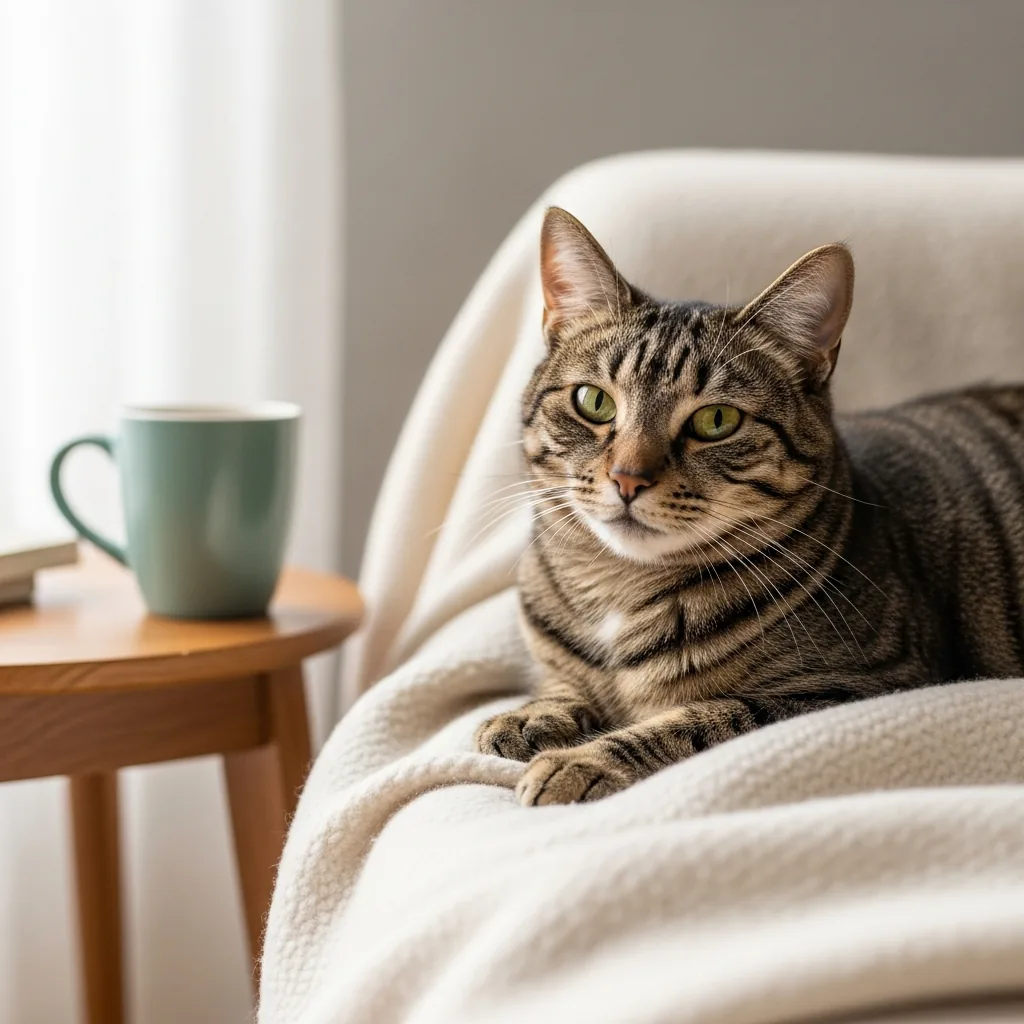
What is Cat Clotting Deficiency?
In brief: Cat clotting deficiency means a cat’s blood doesn’t clot properly. This happens when the blood lacks specific proteins called clotting factors or has issues with platelet function. The result can be excessive bleeding, bruising, and internal hemorrhaging. Causes range from inherited genetic defects, like hemophilia, to acquired issues such as vitamin K deficiency (often linked to diet or rodenticide ingestion) or liver disease. Owners should watch for prolonged bleeding from minor wounds, spontaneous bruising, blood in vomit or stool, and lethargy. Prompt veterinary diagnosis and treatment are vital for managing this potentially serious condition.
Understanding cat clotting deficiency is crucial for owners to recognize potential signs of internal bleeding or issues with wound healing (cat platelet clotting disorders).
This guide, written from the perspective of an owner who has navigated complex feline health issues, breaks down what clotting deficiency means, its potential causes, and how to monitor your cat.
We will cover observable symptoms, actionable steps for owners, common misconceptions, and clear guidance on when veterinary intervention is essential, drawing on established veterinary knowledge.
Why Understanding Clotting Deficiency Matters for Your Cat
As a cat owner, recognizing the signs of a clotting deficiency in your feline companion can be the difference between a manageable health concern and a life-threatening emergency. Blood clotting is a complex, vital process that stops bleeding after an injury, whether it’s a simple scratch from a toy or a more significant trauma. When this process is impaired, even minor injuries can lead to excessive blood loss, and internal bleeding can occur without obvious external causes.
The consequences of impaired clotting can range from mild anemia due to slow, chronic blood loss to severe, acute hemorrhage. Internal bleeding, for instance, might not be immediately apparent but can lead to shock, organ damage, and a rapid decline in your cat’s health. Conditions like vitamin K deficiency, which can stem from dietary issues or the accidental ingestion of certain rodenticides, directly impact the liver’s ability to produce essential clotting factors. The Cornell Feline Health notes that vitamin K is crucial for synthesizing several key clotting proteins.
Furthermore, inherited conditions like hemophilia, though rarer in cats than in dogs or humans, can present significant challenges. Understanding these underlying mechanisms empowers you to be a more vigilant caregiver. By knowing what to look for-from subtle bruising to more overt signs of bleeding-you can seek timely veterinary care, improving your cat’s prognosis and quality of life. This proactive approach is fundamental to responsible pet ownership, especially when dealing with potentially serious YMYL (Your Money Your Life) health topics.
When to Wait and Watch vs. Call Your Vet for Clotting Issues
Distinguishing between minor concerns and urgent situations involving potential clotting deficiencies is critical for your cat’s well-being. While some signs might warrant close observation, others demand immediate veterinary attention. This distinction is based on observable symptoms and their severity, as outlined by veterinary professionals.
Wait and watch:
- Minor, self-resolving bleeding: A tiny nick on a paw pad that stops bleeding within a few minutes with gentle pressure.
- Slightly prolonged bleeding from a minor wound: If a small cut takes 5-10 minutes to stop bleeding completely but shows no signs of active oozing after pressure.
- Occasional, small, dark spots under the skin: Very small, pinpoint red spots (petechiae) that are not increasing in size or number and are not associated with other symptoms.
- Mild lethargy after a known minor injury: If your cat is slightly less active for a short period after a minor bump or scrape, but is otherwise normal.
- Slight paleness of gums: If gums appear very subtly paler than usual but are still moist and pinkish, and your cat is otherwise bright and responsive.
Call your vet now:
- Visible, active bleeding that doesn’t stop: Bleeding from any wound that continues for more than 10-15 minutes despite consistent, gentle pressure.
- Spontaneous bruising: Development of large, discolored patches (hematomas or ecchymoses) on the skin, especially on the belly, limbs, or inside the mouth, without a known injury.
- Blood in vomit or diarrhea: Vomiting containing fresh red blood or dark, coffee-ground-like material, or passing stools with visible blood or a tarry, black consistency.
- Nosebleeds (epistaxis): Unexplained bleeding from one or both nostrils that is profuse or recurrent.
- Pale or white gums: Gums that appear significantly pale, white, or even bluish, indicating potential shock or severe anemia. A quick check of capillary refill time-pressing gently on the gums and seeing how long it takes for the color to return; it should be under 2 seconds. A prolonged refill time indicates poor circulation.
- Difficulty breathing or rapid breathing: Respiratory rate exceeding 40 breaths per minute while at rest, or labored breathing, can signal internal bleeding affecting the chest cavity or severe anemia.
- Sudden weakness or collapse: Extreme lethargy, inability to stand, or collapse can indicate acute internal hemorrhage.
- Swollen abdomen: A noticeably distended or tense abdomen, especially if accompanied by pain when touched, could indicate internal bleeding into the abdominal cavity.
These signals suggest a significant impairment in the clotting process or severe blood loss, requiring immediate professional assessment. The Merck Vet Manual emphasizes that many bleeding disorders require prompt intervention to prevent life-threatening complications.
Steps for Owners: Monitoring and Supporting Your Cat
- Observe and Document Bleeding/Bruising: When you notice any unusual bleeding or bruising, carefully document the location, size, and appearance. Note the time it appeared and whether it seems to be increasing. Take clear photos if possible. This detailed record is invaluable for your veterinarian.
- Check Gum Color and Capillary Refill Time: Gently lift your cat’s lip to observe gum color. Healthy gums are typically pink. Pale, white, or bluish gums require immediate veterinary attention. To check capillary refill time, gently press a finger against the gum and release; the color should return within 1-2 seconds. A delayed return indicates poor circulation.
- Monitor Vital Signs at Rest: Learn to count your cat’s resting respiratory rate and heart rate. A normal resting respiratory rate is typically 20-30 breaths per minute; over 40 bpm is concerning. A normal resting heart rate is around 120-140 bpm, but can vary. Significant deviations, especially rapid or labored breathing, warrant a vet call.
- Assess Appetite and Energy Levels: Keep a close eye on your cat’s usual eating habits and energy levels. A sudden decrease in appetite, increased thirst, or profound lethargy can be signs of internal blood loss or illness impacting overall health.
- Prevent Further Injury and Ingestion Hazards: If a clotting issue is suspected or diagnosed, minimize opportunities for injury. Keep your cat indoors, cat-proof your home to remove potential hazards (like toxic plants or small objects they could chew), and ensure they do not have access to rodenticides or other poisons.
- Administer Prescribed Treatments as Directed: If your veterinarian prescribes medication, such as vitamin K supplements for deficiency, administer it precisely as instructed. Do not alter the dose or frequency without consulting your vet.
- Schedule Follow-Up Veterinary Appointments: For diagnosed clotting disorders, regular check-ups are essential to monitor treatment effectiveness and adjust protocols as needed. This ensures ongoing management and helps catch any complications early. This consistent care approach is vital for managing chronic conditions like those impacting blood health.
Debunking Myths About Feline Clotting Disorders
Myth: Only very young kittens are affected by inherited clotting disorders.
Reality: While severe inherited deficiencies often become apparent by kittenhood (around 4-6 months), milder forms may not manifest until later in life, often triggered by injury, surgery, or illness. The Merck Vet Manual explains that the severity of the deficiency dictates when symptoms appear.
Myth: Bruising or bleeding is always obvious and easy to spot.
Reality: Internal bleeding can occur without visible external signs. Blood might accumulate in body cavities like the chest or abdomen, or in organs. Symptoms like lethargy, pale gums, or difficulty breathing can be the only indicators of significant internal hemorrhage, making them critical to monitor.
Myth: Vitamin K deficiency is solely caused by ingesting rat poison.
Reality: While anticoagulant rodenticides are a common cause of acute vitamin K deficiency, other factors can contribute. Poor diet lacking in vitamin K, malabsorption issues in the gut, or liver disease (as the liver is essential for clotting factor production) can also lead to vitamin K deficiency. The Cornell Feline Health highlights the importance of the liver in this process.
Myth: Hemophilia is exclusively a male cat problem.
Reality: Hemophilia A and B are X-linked recessive disorders. This means affected males (XY) will typically show symptoms, while females (XX) are usually carriers. However, in rare instances where a female inherits the affected gene from both parents, she can also be symptomatic. The dvm360.com discusses various inherited diseases in cats, including factors affecting inheritance patterns.
Myth: Once bleeding stops, the problem is resolved.
Reality: Stopping active bleeding is only the first step. The underlying cause of the clotting deficiency must be identified and managed. This might involve long-term vitamin K supplementation, dietary changes, or managing an underlying condition like liver disease. Without addressing the root cause, the risk of future bleeding episodes remains high.
What to Track for Potential Clotting Issues
As an owner, your detailed observations are key to helping your veterinarian diagnose and manage a clotting deficiency. Tracking specific signs can provide crucial diagnostic clues:
- Bleeding Duration: Note how long it takes for any wound, even a minor one, to stop bleeding after applying gentle pressure.
- Bruise Appearance and Location: Document any discolored areas on the skin, noting their size, color (from red/purple to green/yellow), and exact location.
- Gum Color: Regularly check your cat’s gum color. Healthy gums are pink. Pale, white, or bluish gums are a significant concern.
- Nosebleeds: Record any instances of bleeding from the nose, noting frequency and volume.
- Blood in Bodily Fluids: Note any presence of blood in vomit, urine, or feces (fresh red blood or dark, tarry stools).
- Lethargy and Weakness: Track changes in your cat’s energy levels. Unexplained tiredness or reluctance to move can signal internal blood loss.
- Appetite and Thirst: Monitor changes in eating habits and water intake, as these can be affected by anemia or underlying illness.
- Respiratory Rate: Observe your cat when resting. Count breaths per minute; a rate consistently above 40 is concerning.
- Abdominal Appearance: Check for any unusual swelling or tenderness in the abdomen.
- Behavioral Changes: Note any unusual behaviors, such as hiding more, vocalizing in pain, or seeming disoriented.
Frequently Asked Questions About Cat Clotting
What are the most common causes of acquired clotting deficiency in cats?
Acquired clotting deficiencies can arise from several factors. Vitamin K deficiency, often linked to ingesting anticoagulant rodenticides or poor diet, is a primary cause. Liver disease is also significant, as the liver produces many clotting factors. Certain medications or toxins can also interfere with the clotting cascade, necessitating careful review of your cat’s environment and potential exposures.
How is a clotting deficiency diagnosed by a veterinarian?
Diagnosis involves a thorough history, physical examination, and specific laboratory tests. Blood tests like a complete blood count (CBC) can reveal anemia. Coagulation profile tests, such as prothrombin time (PT) and activated partial thromboplastin time (aPTT), measure how quickly blood clots. Specific factor assays can pinpoint the exact clotting factor deficiency, if present. The PetMD article on coagulation factor deficiency outlines these diagnostic steps.
Can diet alone cause a serious clotting problem?
While a severely deficient diet lacking essential nutrients like vitamin K can contribute to clotting issues over time, it’s less common as a sole cause for acute, severe bleeding compared to rodenticide ingestion or genetic disorders. However, ensuring a balanced, high-quality diet is fundamental for overall health, including supporting normal blood function. Consult your vet about appropriate nutrition for your cat.
What is the prognosis for a cat diagnosed with a clotting deficiency?
The prognosis varies greatly depending on the underlying cause, the severity of the deficiency, and how quickly diagnosis and treatment are initiated. Cats with inherited deficiencies that are managed carefully may live long lives, though they will require lifelong monitoring. Those affected by acute toxin ingestion or severe liver disease have a more guarded prognosis, with survival depending on the extent of damage and response to treatment. Early veterinary intervention is key.
Are there any specific breeds prone to clotting disorders?
While certain breeds are known for specific genetic conditions, inherited clotting disorders like hemophilia are not strongly linked to particular cat breeds in the same way some other genetic diseases are. However, any cat can develop acquired clotting issues due to environmental factors, diet, or illness. Responsible breeding practices aim to reduce the incidence of known inherited conditions.
What is the role of vitamin K in a cat’s clotting ability?
Vitamin K is a fat-soluble vitamin essential for the liver to produce several key clotting factors (II, VII, IX, and X). Without adequate vitamin K, the liver cannot synthesize these factors, leading to impaired blood coagulation. This is why vitamin K therapy is a cornerstone treatment for vitamin K-dependent bleeding disorders, as noted by the Cornell Feline Health.
Can a cat recover fully from accidental ingestion of rat poison?
Recovery from accidental ingestion of anticoagulant rodenticides depends heavily on the type of poison, the amount ingested, and how quickly treatment is started. If caught early, and with aggressive veterinary treatment including vitamin K supplementation and potentially blood transfusions, many cats can recover fully. However, significant internal bleeding before treatment can lead to permanent damage or be fatal. Prompt emergency veterinary care is critical.
When to Seek Veterinary Care for Bleeding Concerns
Monitoring your cat for signs of abnormal bleeding or bruising is an essential part of responsible care. While many minor incidents resolve on their own, persistent or severe bleeding, spontaneous bruising, or blood in bodily fluids warrants immediate veterinary attention. Your veterinarian is the best resource for diagnosing the cause of clotting issues and developing an effective treatment plan.
Remember, this information is for educational purposes and does not substitute professional veterinary advice. Always consult your veterinarian for any health concerns regarding your cat.
- Bleeding that doesn’t stop within 10-15 minutes of pressure.
- Sudden or unexplained bruising.
- Blood in vomit, stool, or urine.
- Pale or white gums.
- Difficulty breathing or rapid breathing.