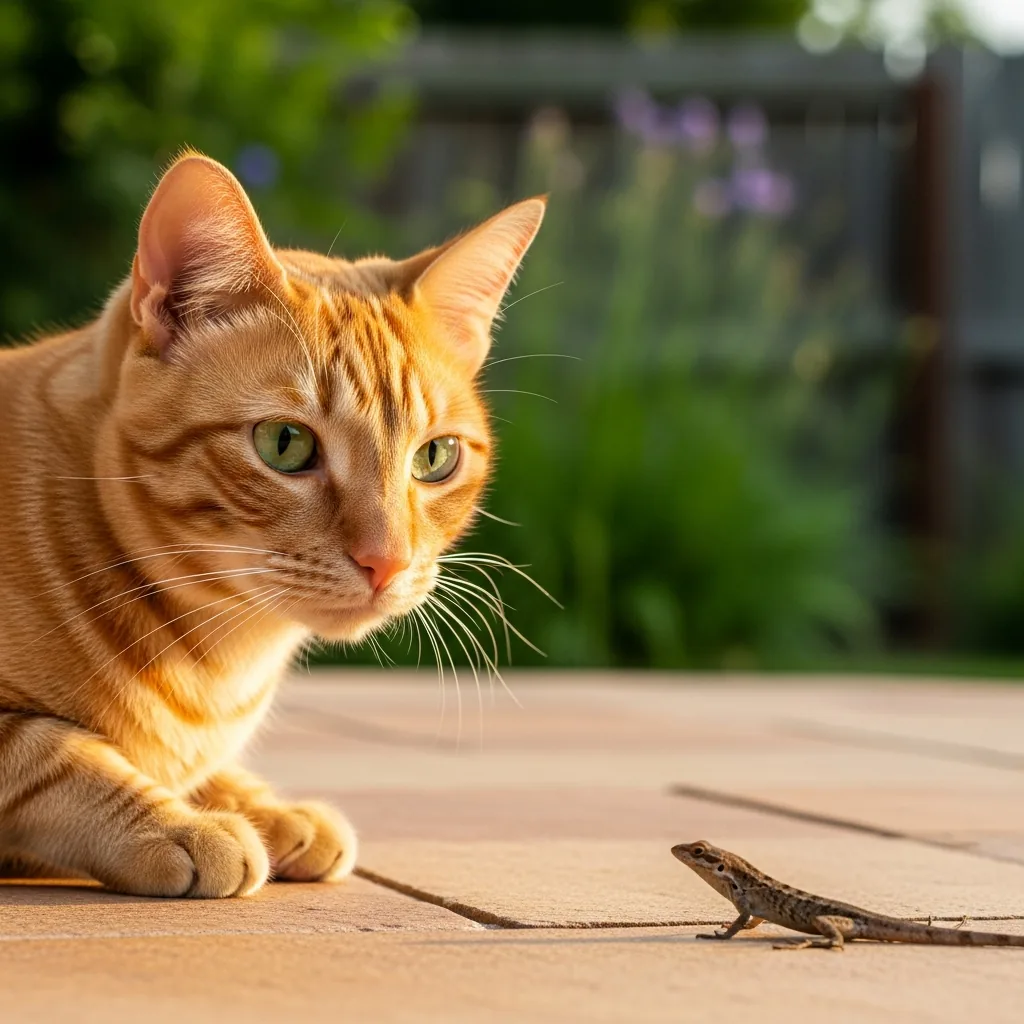
What to Know About Lizard Bite Poisoning in Cats (squamous cell carcinoma in)
Short answer: While rare, lizard bite poisoning in cats can occur if they are bitten by specific venomous lizards, primarily the Gila Monster and Mexican Beaded Lizard found in the southwestern U.S. and Mexico. Symptoms can include intense pain at the bite site, excessive salivation, difficulty breathing, and potential cardiac issues. Immediate veterinary attention is critical if you suspect a venomous bite; prompt treatment can significantly improve your cat’s prognosis. Recognizing the signs of lizard bite poisoning is the first step in seeking timely care for your pet.
If your cat encounters a venomous lizard, recognizing the signs of lizard bite poisoning is crucial for their immediate safety. While most lizards are harmless, a bite from specific species in North America can deliver potent venom, leading to severe health complications. As a biology graduate who’s navigated my own cat’s health issues, I understand the urgency of accurate information. This guide, drawing from veterinary expertise, details what owners need to know about potential lizard venom toxicity in felines. We’ll cover symptoms, immediate actions, and when professional veterinary care is non-negotiable.
This article focuses on the rare but serious threat of venomous lizard bites. It is not a substitute for professional veterinary diagnosis or treatment. Always consult your veterinarian for any concerns about your cat’s health.
Understanding the specific risks associated with lizard bite poisoning can help you protect your feline companion.
Why Lizard Bite Poisoning Matters for Your Cat
As a cat owner, the idea of your curious feline encountering a venomous creature can be unsettling. While most encounters with lizards are benign, a select few species possess venom potent enough to cause serious harm. The Gila Monster (Heloderma suspectum) and the Mexican Beaded Lizard (H. horridum) are the primary concerns in North America. Their venom, while not identical to snake venom, can be as toxic and cause severe systemic effects. Data from sources like the Merck Vet Manual indicates that venom injected into a cat can lead to significant pain, swelling, and, in severe cases, life-threatening conditions. Recognizing the potential danger and knowing how to respond can be the difference between a minor incident and a critical emergency for your pet. This knowledge empowers owners to act decisively when their cat’s health is at risk from such rare but dangerous encounters.
The American Veterinary Medical Association (AVMA) emphasizes that while many animal bites are primarily mechanical injuries, the added dimension of venom introduces a complex toxicological challenge. Understanding the specific venom delivery mechanisms, such as the grooved teeth designed to channel venom during a firm bite, highlights why these lizards are a unique concern. The potential for venom injection is significant, estimated around 70% of the time according to some sources, making preparedness and awareness critical for owners in or traveling to endemic regions.
When to Wait and Watch vs. Call Your Vet Immediately
Determining the appropriate response after a potential lizard encounter is critical, especially when venom is a concern. While most lizard bites are minor, the specific venomous species require immediate veterinary intervention. It’s important to remember that differentiating between a bite from a non-venomous and a venomous lizard can be difficult for an owner. Therefore, any bite from a lizard known to be venomous, or any bite exhibiting concerning symptoms, warrants a call to your veterinarian.
Wait and watch (for bites from non-venomous lizards or minor, non-systemic reactions):
- Minor, localized redness or swelling at the bite site that does not worsen within a few hours.
- Slight discomfort or flinching when the area is touched, but no persistent vocalization of pain.
- The cat is otherwise acting normally, with a good appetite and normal energy levels.
- The bite appears to be superficial, with no deep puncture wounds or excessive bleeding.
Call your vet now:
- If the lizard is identified or suspected to be a Gila Monster or Mexican Beaded Lizard.
- Severe, rapidly progressing swelling at the bite site or spreading to other body parts.
- Intense pain indicated by constant vocalization, aggression when touched, or reluctance to move.
- Excessive drooling or foaming at the mouth, which can indicate a reaction to venom.
- Difficulty breathing, rapid or shallow respiration (>40 breaths per minute at rest), or bluish gums.
- Lethargy, weakness, or collapse.
- Vomiting or diarrhea, especially if it contains blood.
- Visible remnants of the lizard’s teeth lodged in the wound.
- Any bite that occurred more than 24 hours ago and has not been evaluated by a veterinarian.
The ASPCA Animal Poison Control Center advises that even bites from potentially non-venomous reptiles can lead to secondary infections, so monitoring is always necessary. However, the systemic effects of venom from specific lizards necessitate immediate professional care.
Immediate Steps After a Suspected Lizard Bite
- Secure the scene and your cat: If the lizard is still present and potentially venomous, ensure your cat is safely moved away from it. If possible and safe to do so, try to capture the lizard or take a clear photo for veterinary identification, but prioritize your cat’s safety and your own.
- Assess the bite wound: Gently examine the bite area for puncture marks, swelling, redness, or bleeding. Do not probe deeply into the wound, as this could cause further damage or push debris deeper. If the lizard is still attached, and it is safe, attempt to dislodge it by gently prying its jaws open, or by applying mild heat under its jaw, as these lizards may release their grip. A prying tool is recommended over fingers.
- Control bleeding if necessary: Apply gentle, direct pressure to the wound with a clean cloth or sterile gauze if there is significant bleeding. Avoid tight bandaging that could impede circulation.
- Rinse the wound gently: If possible, gently rinse the bite area with clean water or a saline solution to remove any surface debris or venom. Do not use harsh chemicals or scrub the area.
- Contact your veterinarian immediately: Even if your cat seems fine, call your vet or an emergency animal hospital right away. Describe the situation, the type of lizard if known, and any symptoms your cat is exhibiting. Follow their specific instructions for transport and initial care.
- Transport your cat safely: If directed to bring your cat to the vet, use a secure carrier. Keep your cat as calm and still as possible during transport to minimize stress and potential exacerbation of symptoms.
- Prepare for veterinary treatment: The veterinarian will likely perform a physical examination, assess vital signs, and may recommend diagnostic tests. Be ready to provide a detailed history of the incident.
Debunking Myths About Lizard Bites in Cats
Myth: All lizard bites are equally dangerous and require immediate veterinary attention.
Reality: While any bite carries a risk of infection, only a few lizard species, like the Gila Monster and Mexican Beaded Lizard, possess venom that poses a significant toxicological threat. Most lizards are not venomous. However, the difficulty in distinguishing venomous from non-venomous species, coupled with the potential severity of venomous bites, means that any bite from an unknown or potentially venomous lizard should be treated with caution and evaluated by a veterinarian. The UC Davis Veterinary Medicine highlights that specific regional knowledge is key.
Myth: A cat that has been bitten by a venomous lizard will show immediate, dramatic symptoms.
Reality: While some symptoms can appear quickly, the onset and severity of reactions to venom can vary. Initial signs might be subtle, such as localized pain or swelling, before progressing to more systemic issues like lethargy, breathing difficulties, or cardiac irregularities. Delaying veterinary care because symptoms aren’t immediately severe can be dangerous. The NIH publishes research on envenomation that underscores the variability in clinical presentation.
Myth: Home remedies like applying ice or cleaning the wound thoroughly are sufficient treatment for venomous bites.
Reality: While cleaning the wound can help prevent secondary infection, it does not neutralize venom. Ice may offer some temporary pain relief but can also constrict blood flow, potentially worsening tissue damage in some cases. Venomous bites require specific medical interventions, such as antivenom (if available and indicated), fluid therapy, pain management, and monitoring of vital signs, all of which can only be provided by a veterinarian. The PetMD resource on toxicity advises against home treatments for envenomations.
Myth: My cat won’t get bitten because I live far from areas with venomous lizards.
Reality: While the primary range of Gila Monsters and Mexican Beaded Lizards is limited to specific regions of the southwestern U.S. and Mexico, these animals can sometimes be encountered outside their natural habitat through accidental transport or the exotic pet trade. Furthermore, any bite, even from a non-venomous lizard, can lead to infection. Owners should remain vigilant regardless of their geographic location, especially if traveling with their pets.
What to Track and Report to Your Veterinarian
When seeking veterinary care for a suspected lizard bite, providing detailed observations can significantly aid diagnosis and treatment. Keep a close eye on the following aspects and be prepared to share this information with your vet:
- Time of Encounter: Note the exact date and time you observed the bite or encounter.
- Lizard Description: If possible, provide details about the lizard’s appearance (size, color, markings) or bring a photo/specimen if safely obtainable.
- Bite Location: Specify where on your cat’s body the bite occurred.
- Wound Appearance: Describe the bite marks (number of punctures, size), any swelling, redness, or discharge.
- Pain Level: Note how your cat is reacting to touch near the wound (e.g., flinching, vocalizing, growling, biting).
- Salivation: Observe if there is excessive drooling, foaming at the mouth, or difficulty swallowing.
- Behavioral Changes: Document any lethargy, weakness, restlessness, disorientation, or unresponsiveness.
- Respiratory Rate: Count your cat’s breaths per minute while at rest. A rate consistently above 40 bpm may indicate distress.
- Gastrointestinal Signs: Report any instances of vomiting or diarrhea, and note if blood is present.
- Hydration Status: Check gum color (should be pink, not pale or white) and capillary refill time (press gently on the gums; color should return in under 2 seconds).
Accurate tracking helps veterinarians assess the severity and progression of any potential envenomation, as highlighted by the CDC in discussions on pet safety.
Frequently Asked Questions About Lizard Bites
Are all lizards dangerous to cats?
No, most lizards are not dangerous. The primary concern involves a few specific venomous species, notably the Gila Monster and Mexican Beaded Lizard, found in certain regions. Bites from non-venomous lizards typically pose risks of mechanical injury and secondary infection, rather than venom toxicity.
What are the most common symptoms of lizard venom poisoning in cats?
Symptoms can vary but often include intense pain at the bite site, significant swelling, excessive salivation, drooling, and potentially lethargy or weakness. Some cats may exhibit difficulty breathing or changes in heart rhythm. These signs necessitate immediate veterinary evaluation.
How quickly do symptoms appear after a venomous lizard bite?
Symptoms can appear within minutes to several hours following a venomous bite. The speed and severity depend on factors like the amount of venom injected, the bite location, and your cat’s individual health and size. Prompt veterinary assessment is crucial regardless of symptom onset speed.
Can a cat die from a lizard bite?
Yes, a severe envenomation from a highly venomous lizard can be fatal if not treated promptly and appropriately by a veterinarian. Complications such as respiratory failure, cardiovascular collapse, and severe tissue damage can arise. Early intervention significantly improves the prognosis.
What should I do if my cat eats a lizard?
If your cat eats a lizard, especially one from a region where venomous species exist, contact your veterinarian or an animal poison control center immediately. While ingestion might lead to gastrointestinal upset, it generally poses less of an acute toxic threat than a bite, but veterinary guidance is still recommended. The Pet Poison Helpline provides resources for various toxic exposures.
How do vets treat lizard bite poisoning?
Veterinary treatment focuses on stabilizing the patient and counteracting the venom’s effects. This may include intravenous fluids, pain management, antibiotics to prevent infection, and medications to support heart function or breathing. In some severe cases, antivenom might be considered if available and appropriate, though it is less common for lizard envenomations compared to snakebites.
Protecting Your Cat from Lizard Encounters
While encounters with venomous lizards are infrequent for most pet owners, understanding the potential risks of lizard bite poisoning is vital for preparedness. As a devoted cat parent myself, I know that having clear, actionable information can make all the difference in an emergency. Always prioritize your cat’s safety by supervising them outdoors, especially in areas where venomous wildlife might be present. If you suspect your cat has been bitten by a venomous lizard or is showing any concerning symptoms, do not hesitate to seek immediate professional veterinary care. Your veterinarian is your best resource for diagnosis and treatment to ensure your feline friend receives the best possible outcome.
- Suspected bite from a Gila Monster or Mexican Beaded Lizard.
- Rapidly spreading swelling or severe pain at the bite site.
- Difficulty breathing or bluish gums.
- Extreme lethargy, collapse, or disorientation.
- Persistent vomiting or diarrhea, especially with blood.