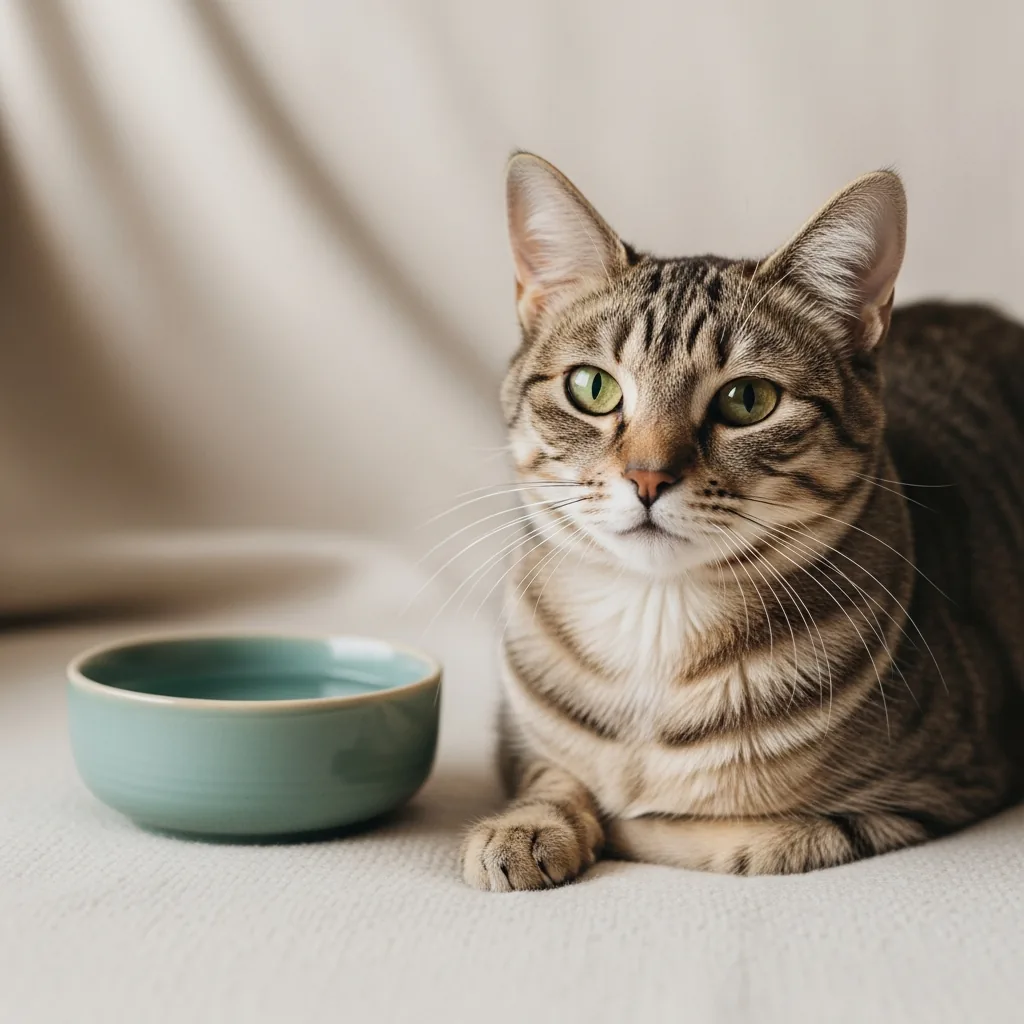
What is Hypothyroidism in Cats?
Short answer: Hypothyroidism in cats is an uncommon condition where the thyroid gland doesn’t produce enough thyroid hormone, slowing down the body’s metabolism. It most frequently occurs as a consequence of treating hyperthyroidism, often after radioactive iodine therapy or surgery. Signs can include lethargy, weight gain despite a normal appetite, a dull coat, and sometimes neurological changes or a lowered body temperature. Diagnosis relies on blood tests, and treatment involves lifelong thyroid hormone replacement therapy. Understanding these symptoms and causes is key for owners to seek appropriate veterinary care for hypothyroidism in cats.
Hypothyroidism in cats is a rare endocrine disorder characterized by insufficient production of thyroid hormones, impacting metabolism and overall health. While uncommon, recognizing the subtle signs and understanding potential causes is crucial for timely veterinary intervention. This guide, grounded in veterinary expertise, outlines what owners need to know about hypothyroidism in cats, covering symptoms, diagnosis, and management strategies. It does not provide a diagnosis or treatment plan, which must come from a veterinarian (pituitary gland destruction).
As an owner who has navigated complex feline health issues, I understand the worry that accompanies unexplained symptoms. This article aims to equip you with clear, actionable information, drawing from authoritative veterinary sources to help you better understand this condition and partner effectively with your vet.
We will explore the nuances of hypothyroidism in cats, from distinguishing it from more common conditions to knowing when to seek immediate professional help. Our focus is on owner-empowerment through knowledge, ensuring you can provide the best possible care for your feline companion.
Why Understanding Hypothyroidism in Cats Matters
As a cat owner, noticing changes in your feline’s behavior or physical condition can be deeply concerning. Hypothyroidism in cats, though rare, can mimic other ailments, making it easy to overlook or misdiagnose. Thyroid hormones are fundamental regulators of a cat’s metabolism, influencing everything from energy levels and body temperature to skin and coat health, and even cognitive function. When these hormones are deficient, the body’s systems begin to slow down, leading to a cascade of potential health issues.
The rarity of this condition means it’s not always the first thing a veterinarian considers, especially compared to the more prevalent hyperthyroidism. However, for cats that have undergone treatment for an overactive thyroid, the risk of developing hypothyroidism increases significantly. According to the Cornell Feline Health, iatrogenic hypothyroidism (caused by medical treatment) is the most common form seen in cats. Early recognition by owners can prompt timely diagnosis, preventing the progression of symptoms and improving the cat’s quality of life. Understanding the subtle indicators allows you to communicate effectively with your veterinarian, leading to a faster, more accurate diagnosis and the initiation of appropriate management.
When to Wait and Watch vs. Call Your Vet
Distinguishing minor fluctuations from potential signs of hypothyroidism in cats requires careful observation. While many subtle changes can be attributed to age or other benign factors, certain symptoms warrant a closer look and a prompt conversation with your veterinarian. Remember, this is not a substitute for professional veterinary advice, but a guide to help you prioritize your observations.
Wait and watch:
- Mildly reduced activity levels: Your cat seems a bit less playful than usual but still interacts, eats normally, and grooms.
- Slight weight gain: A gradual increase in weight over several weeks, without a corresponding increase in food intake, when other factors like reduced activity are also noted.
- Minor changes in coat texture: The fur might feel slightly less soft or appear a little duller, but there are no bald patches or significant skin issues.
- Occasional sleepy periods: More frequent naps are noted, but the cat still wakes readily and shows normal interest in surroundings and routines.
Call your vet now:
- Significant lethargy or weakness: Your cat is difficult to rouse, appears profoundly tired, and shows little interest in food or interaction for more than 24 hours.
- Noticeable weight gain with normal or increased appetite: Gaining more than 10% of body weight over a month without a clear reason, especially if eating normally or more.
- Poor coat quality with skin issues: Visible thinning of the fur, hair loss (alopecia), dry or flaky skin, or recurrent skin infections.
- Lowered body temperature: If you can safely measure your cat’s temperature (rectally) and it consistently reads below 100°F (37.8°C), or if the cat feels unusually cold to the touch and is lethargic.
- Behavioral changes: Signs such as persistent confusion, disorientation, or a significant decrease in responsiveness.
- Developmental abnormalities in kittens: If a kitten is significantly smaller than littermates, has a large head, enlarged tongue, or delayed growth milestones.
For hypothyroidism in cats, especially in those with a history of hyperthyroidism treatment, any of the ‘Call your vet now’ signs should be addressed promptly. The Merck Vet Manual emphasizes that thyroid hormones are vital for numerous bodily functions, and their deficiency can lead to serious complications if left unmanaged.
Steps for Monitoring and Veterinary Care
- Observe and Record Symptoms: Daily note any changes in your cat’s energy level, appetite, thirst, weight, coat condition, and behavior. Be specific: instead of ‘less active,’ write ‘slept in sunbeam for 4 hours, only moved once.’ This detailed log is invaluable for your vet.
- Monitor Weight: Weigh your cat weekly using a pet scale or by weighing yourself holding your cat, then subtracting your weight. Track this data meticulously. A sudden or consistent gain of over 10% of body weight warrants veterinary attention.
- Assess Coat and Skin Condition: Regularly check your cat’s fur for thinning, dullness, or excessive shedding. Examine the skin for dryness, flakiness, or any signs of irritation or infection. Note any areas of hair loss.
- Schedule a Veterinary Consultation: If you observe any of the ‘Call your vet now’ signs or a combination of concerning ‘Wait and watch’ symptoms persisting for over a week, book an appointment. Present your detailed observation log to your veterinarian.
- Undergo Diagnostic Testing: Your vet will likely perform a physical exam and recommend blood tests, such as a T4 (thyroxine) level, and potentially a TSH (thyroid-stimulating hormone) test. According to VCA Hospitals, these tests help differentiate hypothyroidism from other conditions.
- Administer Prescribed Medication: If diagnosed, your vet will prescribe thyroid hormone replacement therapy, typically levothyroxine. Administer the medication exactly as directed, usually daily, for the rest of your cat’s life. Consistency is key to managing hypothyroidism in cats effectively.
- Attend Follow-Up Appointments: Regular check-ups, usually every few months initially, are crucial. Your vet will recheck thyroid hormone levels and monitor your cat’s overall health and response to treatment to adjust dosage if necessary.
Common Myths About Hypothyroidism in Cats
Myth: Hypothyroidism is the same as hyperthyroidism in cats.
Reality: These are opposite conditions. Hyperthyroidism involves an overactive thyroid gland producing too much thyroid hormone, leading to symptoms like weight loss, increased appetite, and hyperactivity. Hypothyroidism is an underactive thyroid, producing too little hormone, resulting in slowed metabolism, weight gain, and lethargy. Hypothyroidism in cats often arises *after* treatment for hyperthyroidism.
Myth: All weight gain in cats is due to overeating.
Reality: While overfeeding is a common cause of obesity, unexplained weight gain can also be a symptom of underlying medical issues, including hypothyroidism in cats. The slowed metabolism associated with this condition can lead to weight gain even with a normal or reduced food intake. It’s essential to rule out medical causes with a veterinarian.
Myth: A dull coat is just a sign of poor grooming.
Reality: While grooming habits can affect coat quality, a persistently dull, dry, or thinning coat, especially when accompanied by other symptoms like lethargy or weight gain, can indicate a hormonal imbalance. Hypothyroidism in cats affects skin and hair follicle function, leading to poor coat condition. The PetMD article notes that coat changes are a common indicator.
Myth: Hypothyroidism is easily diagnosed by simply looking at the cat.
Reality: The symptoms of hypothyroidism in cats can be subtle and overlap with many other feline health problems, including kidney disease, diabetes, and even normal aging. Definitive diagnosis requires specific blood tests to measure thyroid hormone levels, distinguishing it from other conditions. Relying on visual cues alone can lead to delays in proper treatment.
What to Track for Your Vet
Accurate tracking of your cat’s condition provides your veterinarian with essential data for diagnosis and management of hypothyroidism in cats. Use this checklist to keep a consistent record:
- Appetite Changes: Note any increase or decrease in food intake, frequency of meals, and specific food preferences or aversions.
- Weight Fluctuations: Record weekly weights, noting any gain or loss, and the timeframe over which it occurred.
- Energy Levels: Describe daily activity patterns – how much time spent sleeping versus playing or interacting. Note any unusual lethargy or restlessness.
- Coat and Skin Condition: Document the appearance of the fur (shiny, dull, thinning), any dry skin, dandruff, or signs of irritation or hair loss.
- Water Intake and Urination: Monitor if your cat is drinking more or less water than usual and note any changes in litter box habits.
- Body Temperature: If comfortable and safe, occasionally note your cat’s body temperature. A consistently low temperature (below 100°F/37.8°C) can be significant.
- Behavioral Notes: Record any new or changed behaviors, such as increased clinginess, confusion, or reduced responsiveness.
- Gastrointestinal Health: Track frequency and consistency of vomiting or diarrhea, if any.
This detailed information helps your vet differentiate hypothyroidism in cats from other potential issues and tailor the treatment plan effectively.
Frequently Asked Questions About Hypothyroidism in Cats
Is hypothyroidism in cats genetic?
While most cases of hypothyroidism in cats are acquired, particularly iatrogenic forms resulting from hyperthyroidism treatment, congenital hypothyroidism can have a genetic basis. This rare form is present at birth and can be linked to inherited defects affecting thyroid development or function.
Can hypothyroidism in cats be cured?
Hypothyroidism in cats is generally not curable but is highly manageable with lifelong thyroid hormone replacement therapy. The goal of treatment is to restore normal thyroid hormone levels, alleviating symptoms and allowing the cat to live a healthy life. Consistency with medication and veterinary follow-ups is key.
What are the signs of congenital hypothyroidism in kittens?
Kittens with congenital hypothyroidism may exhibit developmental delays. Signs can include being significantly smaller than littermates, having disproportionate body features like a large head or enlarged tongue, and showing signs of mental dullness or delayed physical maturation.
How is hypothyroidism in cats diagnosed?
Diagnosis involves a combination of clinical signs and laboratory tests. Veterinarians will typically perform blood tests to measure circulating thyroid hormone levels (like T4) and potentially thyroid-stimulating hormone (TSH). These results, alongside physical examination findings and the cat’s history, help confirm hypothyroidism in cats. Cornell University provides detailed interpretations of thyroid testing.
Can cats recover from hypothyroidism caused by methimazole treatment?
Yes, if hypothyroidism in cats develops as a temporary side effect of methimazole treatment for hyperthyroidism, it is often reversible. Adjusting the methimazole dosage, under veterinary supervision, can restore normal thyroid hormone levels. However, hypothyroidism resulting from radioactive iodine therapy or surgery is typically permanent.
What is the prognosis for a cat with hypothyroidism?
With proper diagnosis and consistent lifelong treatment with thyroid hormone supplementation, the prognosis for cats with hypothyroidism is generally very good. Most cats can live normal, comfortable lives, with symptoms like lethargy and coat changes resolving relatively quickly after treatment begins.
Conclusion: Partnering with Your Veterinarian
Hypothyroidism in cats is a condition that requires owner vigilance and close collaboration with veterinary professionals. While rare, understanding its potential signs, causes, and the importance of diagnostic testing is vital for any cat owner, especially those with cats treated for hyperthyroidism. By diligently observing your cat, maintaining detailed records, and promptly seeking veterinary care when concerned, you play an active role in ensuring their well-being.
Remember, this information is intended to empower you with knowledge, not to replace professional medical advice. Always consult your veterinarian for any health concerns regarding your cat.
- Profound lethargy lasting >24h
- Unexplained weight gain (>10% body weight/month)
- Dull coat, hair loss, or dry skin
- Consistently low body temperature (<100°F/37.8°C)
- Significant behavioral changes (confusion, disorientation)