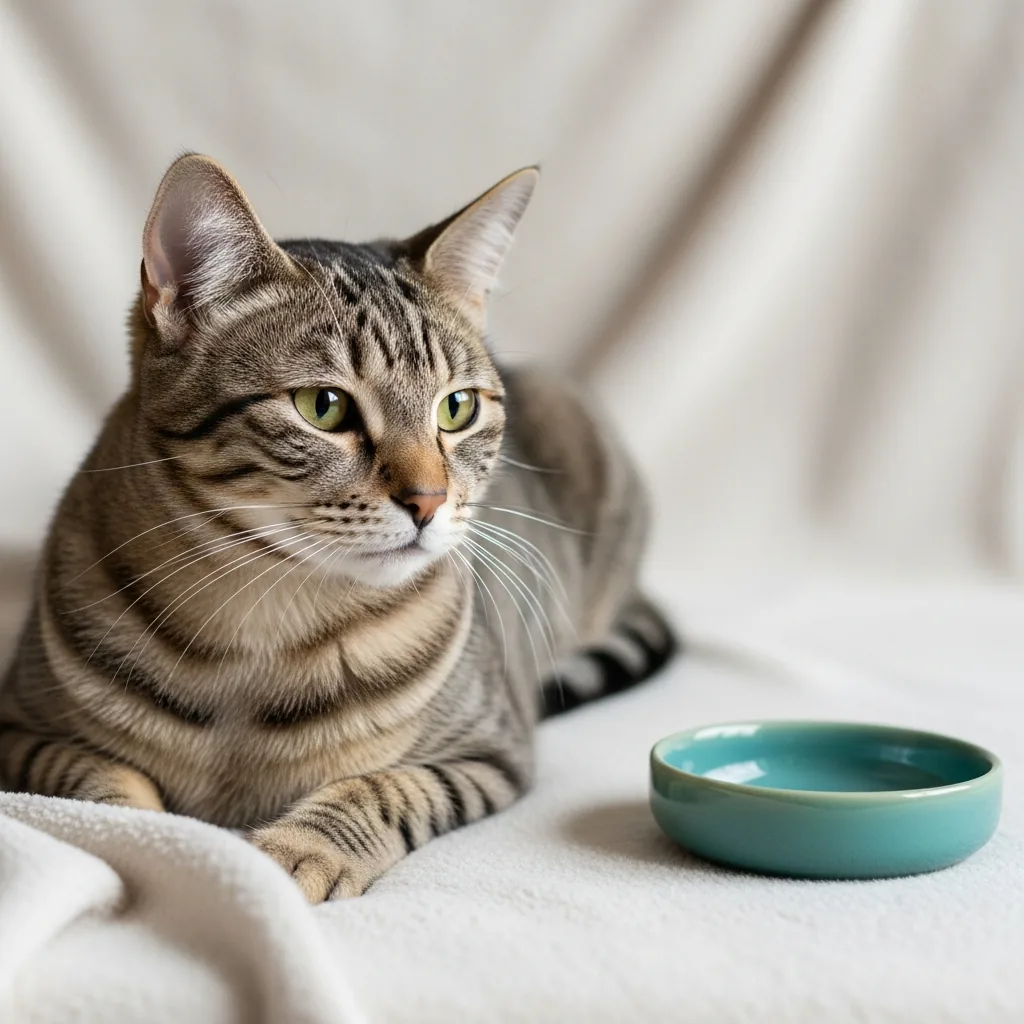
Quick Answer: What Are the Signs of Liver Fibrosis in Cats?
In brief: Signs of liver fibrosis in cats can include jaundice (yellowing of the skin or gums), vomiting, a decreased appetite, weight loss, lethargy, and abdominal swelling from fluid buildup (ascites). Black, tarry stools may indicate bleeding. Causes range from chronic inflammation and infections to toxin exposure or genetic predispositions. A veterinarian must perform tests, like blood work and liver biopsies, for a definitive diagnosis. Early detection and management are key; consult your veterinarian immediately if you suspect liver issues.
Liver fibrosis in cats is a serious condition characterized by the formation of scar tissue within the liver, potentially impairing its vital functions and leading to more severe liver disease. Recognizing early symptoms and understanding potential causes are critical for owners seeking to provide prompt veterinary attention.
As an owner who has handle the complexities of chronic feline health issues, I’ve learned the importance of combining personal observation with veterinary expertise. This guide provides an overview of liver fibrosis in cats, covering common signs, diagnostic pathways, and what to anticipate. Remember, this information is educational and does not substitute for a professional veterinary diagnosis or treatment plan.
Our aim is to provide clear, actionable information to help you collaborate effectively with your veterinarian for your cat’s well-being.
Why Understanding Liver Fibrosis in Cats Matters
Observing your cat experience illness is a deeply concerning experience for any owner. When symptoms point toward liver disease, such as persistent vomiting or a noticeably distended abdomen, worry is a natural response. The liver is a powerhouse organ, responsible for over 1,500 essential functions, including detoxification, nutrient processing, and synthesizing proteins crucial for blood clotting and immune responses. Conditions like liver fibrosis and cirrhosis signify substantial damage to this organ, often developing insidiously over time due to various underlying health problems.
The transition from initial liver damage to advanced fibrosis and potentially irreversible cirrhosis can be subtle, with early indicators frequently overlooked until the disease is well-established. Understanding the potential signs and underlying causes empowers you to seek veterinary intervention sooner. This can significantly influence your cat’s prognosis and overall quality of life. My own journey managing my cat’s chronic kidney disease taught me firsthand that early recognition and a strong partnership with your veterinarian are absolutely essential. This understanding is crucial for managing conditions like secondary hyperparathyroidism in cats, which can sometimes progress to fibrosis.
When to Watch and When to Call the Vet for Liver Issues
Navigating potential liver issues in your cat requires careful observation and a clear understanding of when to seek professional help. While some subtle changes might warrant close monitoring at home, others are critical red flags demanding immediate veterinary attention for diagnosis and treatment. Differentiating between minor upsets and serious underlying problems is key.
Wait and watch:
- Mild, intermittent vomiting (1-2 episodes per day) that resolves on its own.
- Slight decrease in appetite for less than 24 hours, especially if environmental factors (e.g., stress) are suspected.
- Slightly reduced activity levels that improve with rest.
- Changes in litter box habits that are not severe or persistent.
Call your vet now:
- Persistent vomiting (more than 2-3 episodes in 24 hours) or vomiting blood.
- Severe lethargy or weakness, inability to stand or walk normally.
- Jaundice: Yellowing of the skin, gums, or whites of the eyes, indicating improve bilirubin.
- Significant appetite loss or refusal to eat for more than 24 hours.
- Abdominal distension or a tense, painful abdomen, suggestive of fluid buildup (ascites) or organ enlargement.
- Black, tarry stools (melena) or bloody diarrhea, indicating gastrointestinal bleeding potentially linked to liver dysfunction.
- Changes in urination or thirst that are significant or persistent.
- Weight loss exceeding 10% of body weight over a few months.
The liver’s role in detoxification means that even early signs of dysfunction can have cascading effects. For instance, impaired bile production can affect digestion, while reduced protein synthesis can impact blood clotting. Prompt veterinary evaluation is crucial for accurate diagnosis and to prevent further damage. Resources like the Merck Vet Manual offer detailed insights into feline liver health, noting the need for professional care.
Steps for Managing Suspected Liver Fibrosis in Your Cat
- Observe and Record Symptoms: Carefully note any changes in your cat’s behavior, appetite, thirst, urination, defecation, and physical appearance. Document the frequency, duration, and severity of symptoms like vomiting, lethargy, or jaundice. This detailed log is invaluable for your veterinarian. For example, track if vomiting occurs after meals or at specific times.
- Contact Your Veterinarian Promptly: Based on the severity of symptoms, schedule an appointment. For critical signs like severe lethargy, jaundice, or persistent vomiting, seek emergency veterinary care. Do not delay, as prompt intervention significantly improves prognosis.
- Prepare for Diagnostic Tests: Your vet will likely recommend blood work, including a complete blood count (CBC) and serum chemistry panel to assess liver enzymes (ALT, ALP), bilirubin, and other indicators of organ function. Urinalysis and potentially imaging like abdominal X-rays or ultrasound may also be performed.
- Follow Veterinary Treatment Recommendations: If liver fibrosis is diagnosed, treatment will be tailored to the underlying cause and severity. This may involve medications such as ursodiol or S-adenosylmethionine (SAMe) to support liver function and protect against further damage. Dietary changes, such as a highly digestible, balanced diet with controlled protein and fat levels, are also often recommended.
- Administer Medications as Directed: If your cat is prescribed medication, ensure you administer it precisely as directed by your veterinarian. This includes the correct dosage, frequency, and duration. Do not stop medication early or alter the dose without consulting your vet.
- Implement Dietary Changes: Work with your veterinarian to select an appropriate diet. This often means a palatable, nutrient-dense food that is easy to digest and supports liver health. Some cats may benefit from specialized therapeutic diets designed for liver conditions.
- Monitor Your Cat Closely at Home: Continue to monitor your cat’s condition, appetite, energy levels, and any new or worsening symptoms. Regular follow-up appointments with your veterinarian are crucial for monitoring progress and adjusting the treatment plan.
Common Misconceptions About Liver Fibrosis in Cats
Myth: Liver fibrosis is always a rapid, acute illness.
Reality: Liver fibrosis often develops slowly and insidiously over months or years, stemming from chronic inflammation, infections, or exposure to toxins. Early signs can be subtle and easily missed, making it crucial to monitor your cat’s general health and seek veterinary advice for any persistent changes. The Cornell Feline Health Center highlights that many liver diseases in cats are chronic.
Myth: Only older cats develop liver fibrosis.
Reality: While age can be a factor and some conditions predisposing to liver fibrosis may be more common in senior cats, liver fibrosis can affect cats of any age. Congenital portosystemic shunts, certain infections, or toxin exposures can lead to liver damage and fibrosis in younger cats. Factors like genetics and exposure to specific toxins play a significant role regardless of age.
Myth: A cat with a good appetite cannot have liver disease.
Reality: Some cats may maintain a relatively normal appetite even with significant liver damage, especially in the earlier stages of fibrosis. However, a decreased appetite is a common symptom, and any prolonged lack of interest in food warrants veterinary attention. Other signs like jaundice or lethargy can be present even with a fair appetite.
Myth: If my cat has jaundice, it’s definitely liver fibrosis.
Reality: Jaundice (icterus) is a symptom indicating improve bilirubin levels, which can be caused by various conditions affecting the liver, bile ducts, or red blood cells (hemolysis). While jaundice is a significant indicator of potential liver disease, including fibrosis, a veterinarian must conduct diagnostic tests to determine the exact cause and severity.
Myth: Dietary changes alone can cure liver fibrosis.
Reality: While specialized diets are a crucial part of managing liver fibrosis, they are typically used in conjunction with other veterinary treatments, such as medications to support liver function, protect against damage, and address underlying causes. Diet alone is rarely curative but is essential for supportive care and improving quality of life.
What to Track for Liver Health Monitoring
- Appetite: Note any decrease in food intake, refusal to eat, or changes in food preferences. Track frequency of meals and portion sizes.
- Thirst: Monitor water intake. A significant increase or decrease in drinking can be indicative of underlying issues.
- Vomiting: Record the frequency, timing (e.g., before or after meals), and contents of vomit. Note if there is any blood present.
- Urination: Observe changes in urine volume, frequency, and color. Darker urine can sometimes indicate liver problems.
- Stool: Note any changes in color (pale or clay-colored stools can suggest bile duct obstruction), consistency (diarrhea), or presence of blood (melena).
- Energy Levels: Assess your cat’s activity. Lethargy, reluctance to play, or increased sleeping time are important indicators.
- Weight: Regularly weigh your cat, if possible, and note any significant weight loss (e.g., >10% body weight over months) or gain.
- Jaundice: Look for yellowing of the gums, whites of the eyes, or skin, particularly on the belly or ears. This is a critical sign.
- Abdominal Appearance: Note any swelling or distension of the abdomen, which could indicate fluid buildup (ascites).
- Behavioral Changes: Observe for any unusual behavior, such as disorientation, irritability, or hiding, which can sometimes be linked to hepatic encephalopathy.
Frequently Asked Questions About Liver Fibrosis in Cats
What is the difference between liver fibrosis and cirrhosis?
Liver fibrosis is the initial stage of scarring in the liver, characterized by the buildup of excess connective tissue. Cirrhosis is a more advanced stage where this scarring is extensive and disrupts the liver’s normal structure and function, often leading to irreversible damage and liver failure. Fibrosis can potentially progress to cirrhosis if the underlying cause is not addressed.
Can liver fibrosis in cats be reversed?
While early stages of liver fibrosis may sometimes be managed or slowed with prompt veterinary intervention, including addressing the underlying cause and supportive care, advanced fibrosis and cirrhosis are generally considered irreversible. The goal of treatment is to prevent further damage, support remaining liver function, and improve the cat’s quality of life.
What are the primary causes of liver fibrosis in cats?
Causes are varied and can include chronic inflammation (cholangitis, cholangiohepatitis), bacterial infections, parasitic infections, exposure to toxins, certain genetic conditions, inflammatory bowel disease, pancreatitis, and in some cases, the progression of other liver diseases like feline hepatic lipidosis. Identifying and treating the underlying cause is critical.
How does a veterinarian diagnose liver fibrosis?
Diagnosis involves a combination of clinical signs, physical examination, and diagnostic tests. Blood work is crucial to assess liver enzyme levels (ALT, ALP), bilirubin, and other indicators of organ function. Imaging such as ultrasound can reveal structural changes in the liver. A definitive diagnosis often requires a liver biopsy, which allows for microscopic examination of liver tissue to confirm the presence and extent of fibrosis.
What is the prognosis for a cat with liver fibrosis?
The prognosis for liver fibrosis in cats varies greatly depending on the underlying cause, the stage of the fibrosis, the cat’s overall health, and the effectiveness of treatment. Early diagnosis and aggressive management of the underlying condition can lead to a better outcome, potentially stabilizing the disease. Advanced fibrosis or cirrhosis carries a more guarded prognosis.
Are there any specific breeds more prone to liver fibrosis?
While any cat can develop liver fibrosis, certain breeds may have predispositions to specific liver conditions that can lead to fibrosis. For example, Siamese and Persian cats have been noted to have a higher risk of copper-associated hepatopathy, which can cause liver damage and fibrosis. However, it’s important to remember that common causes like cholangitis can affect any breed.
Conclusion
Liver fibrosis in cats is a complex condition that requires vigilant observation and a strong partnership with your veterinarian. Understanding the potential signs, causes, and diagnostic process empowers you to advocate effectively for your cat’s health. While this guide offers valuable insights based on veterinary knowledge, it is not a substitute for professional medical advice. Always consult your veterinarian for any concerns regarding your cat’s health.
Sources
- Merck Vet Manual
- Cornell Feline